
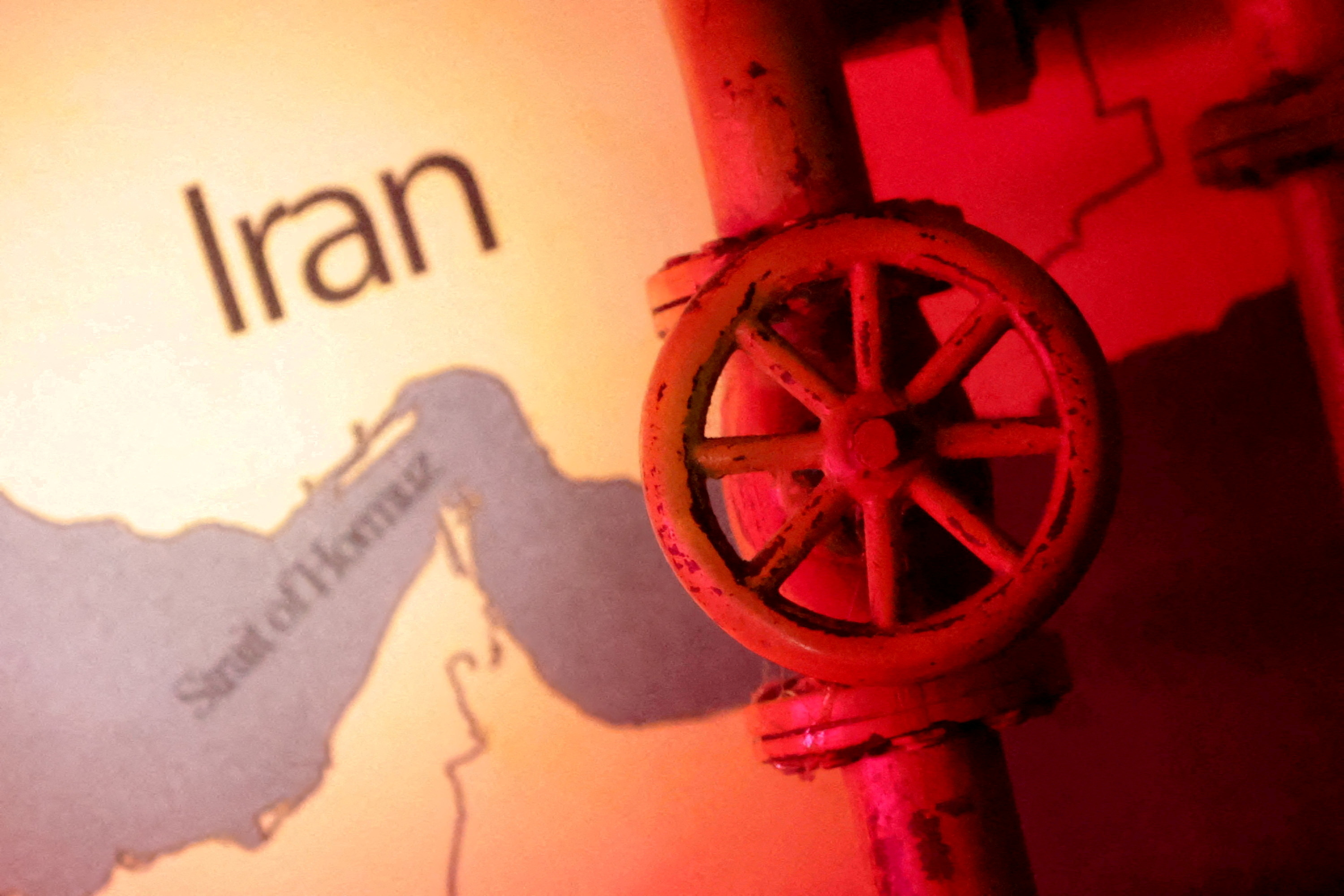
Rising geopolitical tensions centred on Iran are fuelling increasing concern in the global insurance sector, particularly in areas linked to terrorism and political violence, according to ratings agency Morningstar DBRS.
The report warned that prolonged instability in the Middle East could lead to higher volatility in risk underwriting, as well as stricter insurance terms for businesses and investors worldwide.
Despite the uncertainty, the global insurance industry remains resilient, supported by strong capitalisation and diversified portfolios that enable large companies to absorb moderate losses from incidents of terrorism or political violence.
However, analysts stressed that the primary risk lies not necessarily in the frequency of attacks but in the potential for simultaneous losses across multiple insurance lines.
A single event, such as an attack on critical infrastructure or a major urban centre, could trigger claims across a range of policies, including property, marine, aviation and business interruption insurance.
This phenomenon, described as risk accumulation, represents one of the most significant challenges for insurers, as it can heavily impact financial results within a short period.
The analysis also highlighted growing difficulty in distinguishing between different forms of risk, including terrorism, cyberattacks and acts of war.
In an environment where attacks may have a hybrid character, disputes could arise between insurers and policyholders over whether an incident is covered under existing policies.
At the same time, the geographical spread of risk is expanding beyond the Middle East, with historical patterns showing that major conflicts are often linked to increased politically motivated violence in other regions.
In particular, North America and Western Europe are seen as more exposed, due to the concentration of high-value assets such as diplomatic centres, shopping complexes and hotels.
Key infrastructure such as ports, airports, energy networks and logistics hubs are considered especially vulnerable, given their economic and strategic importance.
The interconnected nature of global supply chains means that disruption at a single hub can trigger cascading effects across multiple sectors simultaneously.
Meanwhile, demand for terrorism and political violence insurance is on the rise, as companies reassess their exposure to geopolitical risks and seek broader coverage.
This trend includes multinational corporations, airlines, shipping companies and operators of critical infrastructure, all of whom face heightened risk in an uncertain global environment.
However, the increase in demand is expected to be accompanied by stricter terms and higher premiums, with insurers likely to become more selective, particularly regarding politically sensitive assets.
Reinsurers are also playing a decisive role in shaping available insurance capacity, influencing how much risk primary insurers can underwrite.
In the event of a prolonged crisis, reinsurers may limit their exposure to high-uncertainty risks or raise contract trigger thresholds, developments that would ultimately be passed on to clients through higher costs.
State-backed terrorism insurance programmes continue to act as a stabilising mechanism in the market, ensuring the availability of coverage even during periods of heightened risk.
These schemes, introduced in many countries following the September 11 attacks, function as a safety net, although they are typically limited to specific categories of incidents.
According to Morningstar DBRS, the global insurance market is entering a period of heightened uncertainty, where managing risk accumulation and adapting to new geopolitical realities will be critical.
While the sector’s fundamental resilience remains strong, the evolution and duration of the conflict are expected to determine the scale of its impact in the coming years.


Click here to change your cookie preferences