
Breeders say our native species should be a special case
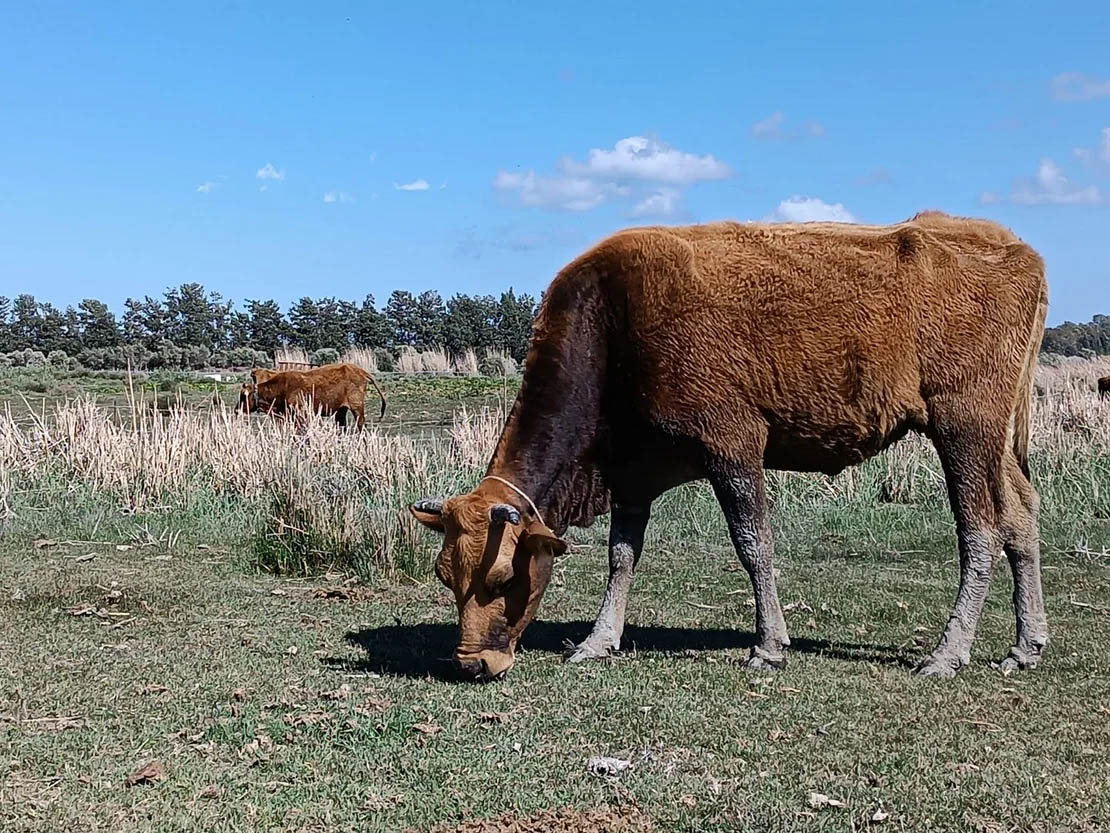
Concerns over the outbreak of foot-and-mouth disease have sparked debate in Cyprus over whether blanket culling policies could place the island’s native cattle – also known as the red cow breed – at risk.
While authorities typically respond to suspected cases with strict containment measures, including the culling of affected herds, scientists are warning that such an approach may have unintended consequences if applied indiscriminately.
In Akrotiri, where approximately half of the animals are concentrated, vaccinations have already begun but for breeders, the issue goes beyond disease control.
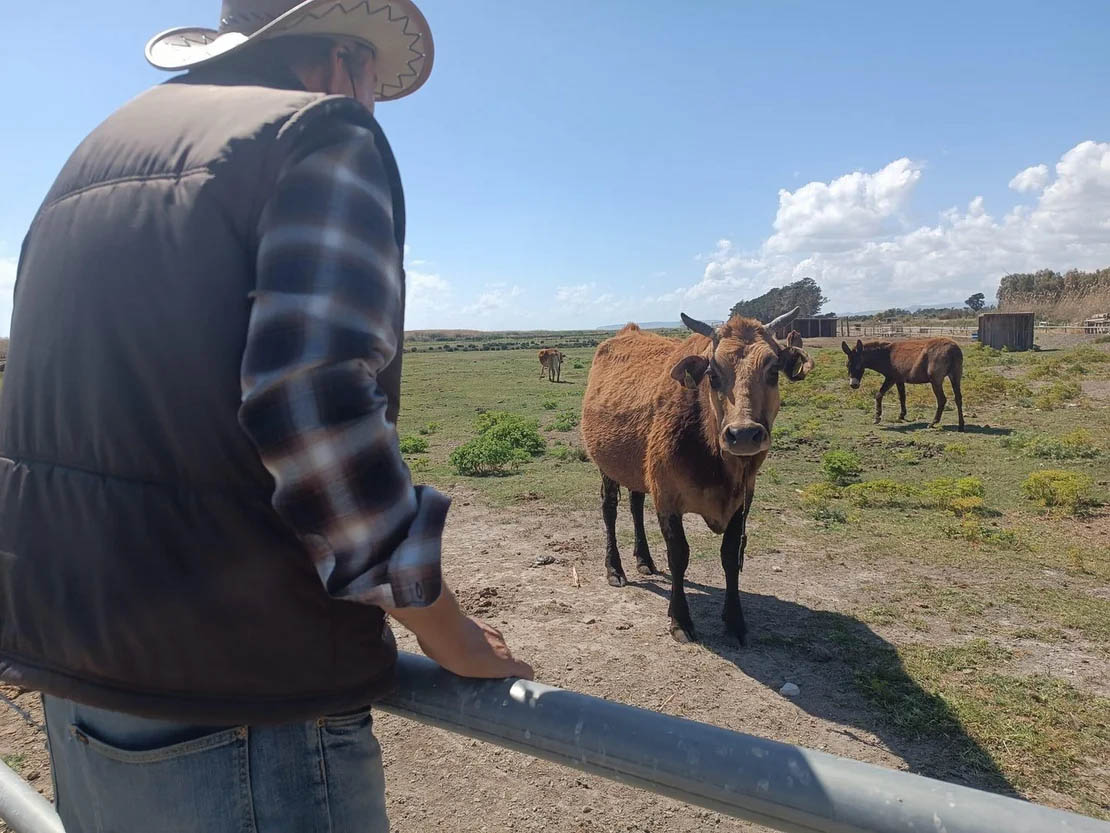
“Half of the native cattle are in Akrotiri. We have carried out the first vaccinations, and what we are asking for is proper control at entry and exit points,” said Andreas Christodoulou, representative of the breeders’ association for native cattle and a breeder himself.
He warned that gaps in basic biosecurity could undermine efforts to contain the disease.
“Birdwatchers are a major problem because they enter the area to observe different species without taking any precautions. They don’t realise that foot-and-mouth disease can be carried on their shoes,” he said.
Despite the vaccinations, uncertainty remains over what would happen if infections are confirmed.
“We have been told by veterinary services that if the cows are infected, they will be killed,” he said, adding that “scientists are only interested in culling the animals.”
For Christodoulou, the issue is also deeply personal as he described the cattle as more than livestock, recalling how he grew up alongside them.
“This breed is different from all others, I grew up with these animals and we treated them like family, the way people treat pets,” he said, adding that as a child he would call out to them and they would come. “They are more intelligent than other cattle.”
“If they come to kill my animals, I will not let them,” he added.
His concerns reflect a broader question now emerging on whether Cyprus’ native cattle should be treated differently in the face of disease control measures.
Officials insist efforts are being made to protect the breed. Haralambos Petsides, an officer at the agriculture ministry, said authorities are “working to prioritise all the indigenous breeds” and have been providing support to farmers through the Cyprus Agricultural Payments Organisation (CAPO) to ensure the population does not decline further.
Veterinary services spokeswoman Sotiria Georgiadou said measures are also being taken to prevent the spread of infection.
“We will do everything we can to preserve the local breed,” she said, noting that herds in the Paphos district have so far tested negative. “At present, all sampling in Paphos is clear, and we hope it remains that way.”
She added that the issue extends beyond cattle, pointing to the need to safeguard other indigenous breeds, including goats and sheep.
A rare population under scrutiny
Recent genetic studies have begun to shed light on the distinct nature of the population. Associate professors at the Department of Agricultural Sciences, Biotechnology and Food Science of the Cyprus University of Technology (Tepak) Ouranios Tzamaloukas and Despoina Miltiadou said that multiple scientific analyses comparing Cyprus cattle with breeds worldwide have confirmed their genetic uniqueness, with no evidence of crossbreeding with high-yield commercial cattle on the island. The research suggests the animals form a clearly separate genetic group, with links to both African and indicine cattle, reflecting a long evolutionary history shaped by migration and trade routes in the region.
The native cattle though are already classified as endangered by FAO and could be pushed towards extinction if numbers fall further.
“With approximately 1,300 animals remaining, the Cyprus bovine requires actions to increase its population and is highly sensitive to any sudden reduction in numbers, such as mass culling,” they said.
Miltiadou described the cattle as a “vital genetic resource”, citing their adaptation to harsh climates, resilience to disease and ability to survive without intensive farming.
“These are traits that would be permanently lost if the population falls below a viable breeding size,” she added. She warned that even limited losses could have lasting consequences. “Culling 20 per cent or more of an endangered population of only 1,300 animals could trigger a genetic bottleneck from which the breed may never recover.”
Scope for exceptions under EU rules
However on being asked if there is any hope for these animals in the case of FMD, Tzamaloukas stated that European legislation provides some flexibility in how outbreaks are managed, particularly where rare breeds are concerned.
“EU Regulation 2020/687 allows member states to request exceptions to blanket culling for breeds of high genetic or cultural value, provided disease control is not compromised,” he said.
In such cases, he explained, vaccination and strict monitoring could be used instead.
“Given that the Cyprus bovine is a genetically unique indigenous breed with no evidence of interbreeding with commercial cattle, it qualifies as a priority candidate. The herd can be vaccinated and allowed to recover, with low mortality rates in adult animals, while remaining under strict movement restrictions.”
However, he cautioned that such an approach would be demanding to implement.
“It requires strict quarantine, continuous monitoring and months of testing to ensure animals are no longer carriers,” he said, noting that farmers would face prolonged loss of income and would need financial support.
Miltiadou added that Cyprus’ native cattle would qualify for such measures, along with other local breeds including the Machaeras goat and Cyprus fat-tailed sheep.
At the heart of this debate lies a fundamental question of how to balance immediate disease control with longer-term considerations of biodiversity and agricultural heritage.
The issue is not unique to Cyprus of course, past outbreaks in Europe, including the UK’s 2001 crisis, raised similar concerns about the loss of rare breeds during emergency responses.
Beyond the immediate economic impact on farmers, the potential disappearance of a locally adapted cattle population could have wider implications as such animals may carry traits linked to resilience in hot climates, low-input farming systems and future food security – factors that are becoming increasingly important in the face of climate change.





Click here to change your cookie preferences