
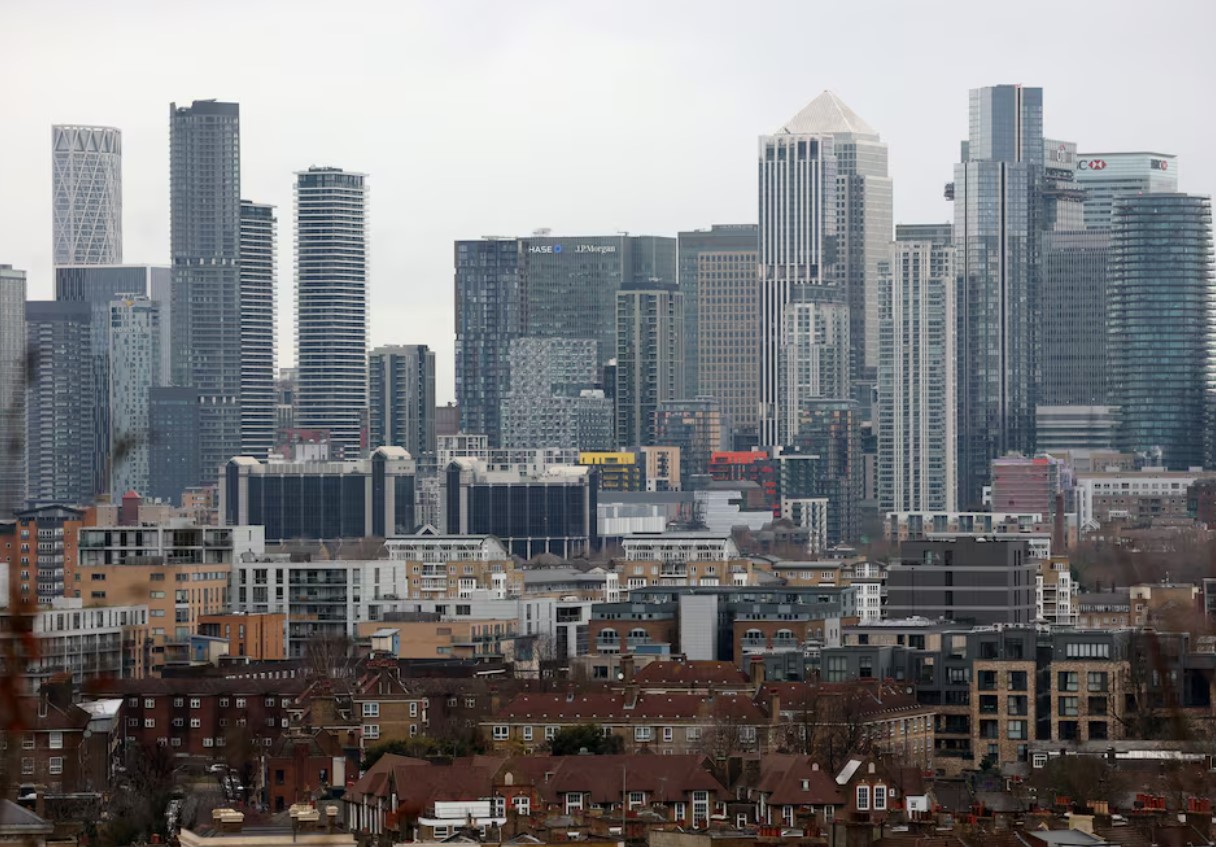
British home prices are predicted to rise more slowly than previously thought, according to a Reuters poll of housing analysts conducted as expectations for interest rate cuts evaporate following the outbreak of war in the Middle East.
The average price of a home will rise 2.5 per cent this year and 3 per cent the following two years, the February 27-March 18 poll of 17 analysts found. A December poll predicted a 2.8 per cent lift in 2026 and 3.3 per cent in 2027.
“Looking ahead the Bank of England is going to have a difficult job and interest rates may now have to go up,” said Ray Boulger at mortgage broker John Charcol, citing the war on Iran’s impact on inflation.
“There has been a change in our outlook.” He now sees prices rising 2 per cent this year and 3 per cent next, down from his 4 per cent prediction for both years in December.
Banks have raised mortgage rates significantly since the war started.
DEMAND REMAINS COOL
In London, usually a big draw for foreign investors, prices were expected to rise a more modest 1 per cent this year, 2 per cent next and 2.8 per cent in 2028.
Urban home rents are forecast to outstrip home price rises, going up over 3 per cent this year and next.
“After softening in 2025, rental growth on newly let homes across Britain is set to reaccelerate this year, likely running just ahead of broader inflation,” said Aneisha Beveridge at estate agency Hamptons.
“Demand remains cooler than it was a few years ago – with more renters becoming homeowners, fewer students, and more young adults living with parents for longer – but the bigger story is still supply.”
Beveridge and other survey respondents mentioned the Renters’ Rights Act, a new law designed to overhaul the private rental market and provide more security for tenants but which critics say is a disincentive to landlords, contributing to the limited supply of homes available to rent.
Having made a series of interest rate reductions, the Bank of England will wait until April or June to cut again, according to a separate Reuters poll of economists who have largely abandoned calls for a drop on Thursday as soaring energy prices driven by the Iran war raise inflation risks.
Asked what would happen to affordability for first-time homebuyers, over 80 per cent of respondents – 10 of 12 – in the home prices survey said it would improve despite mortgages likely to be more expensive than hoped while saving for an initial deposit is a struggle for those wanting to get on the property ladder.
The average asking price for a first-time buyer property is 226,995 pounds ($303,243) according to property website Rightmove, meaning saving a 10 per cent deposit is a pipe dream for many.
“We expect more competitive mortgage rates alongside a more muted outlook for price growth will improve affordability,” Marcus Dixon at real estate services firm JLL said.



Click here to change your cookie preferences