
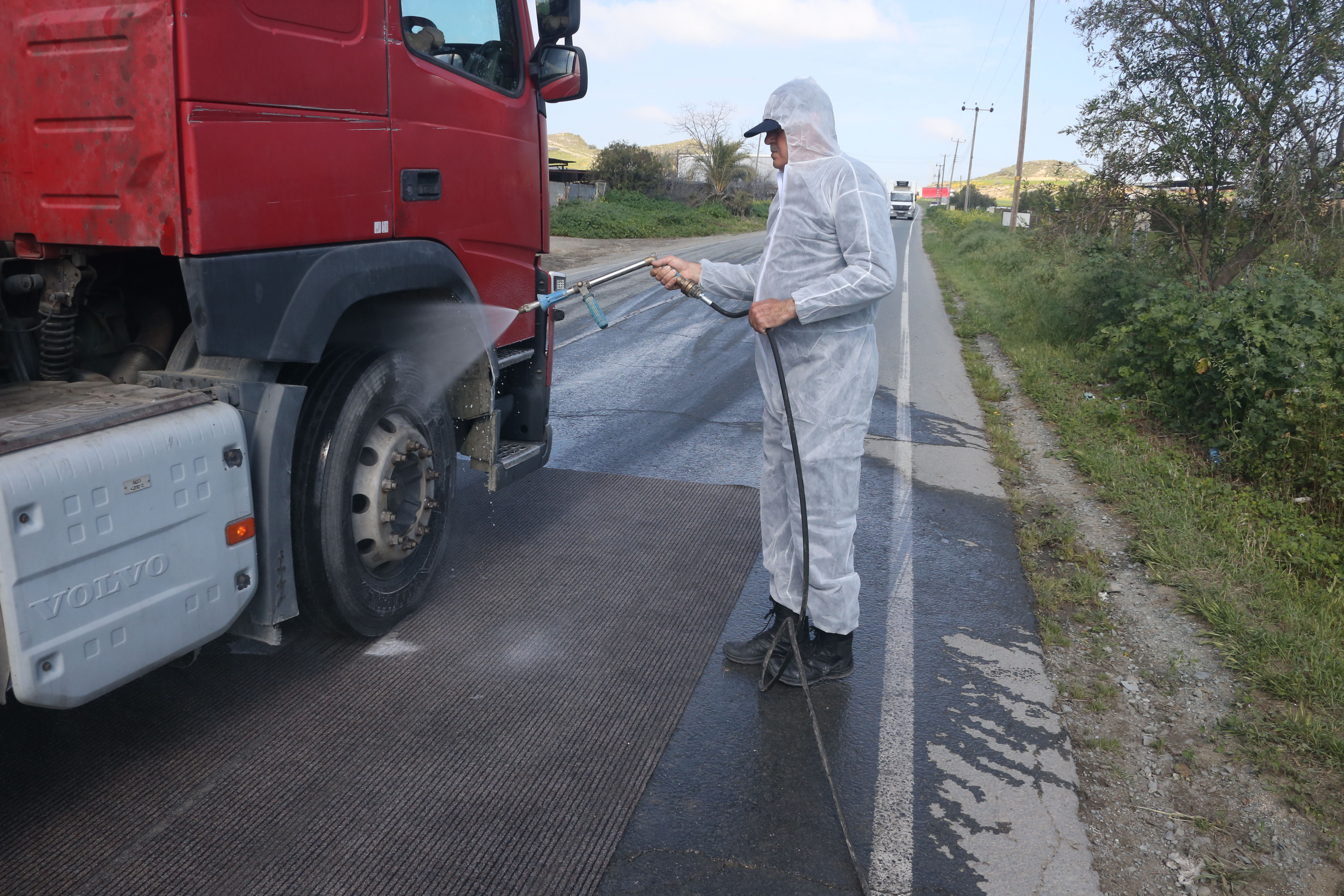
The British Bases on Tuesday confirmed they are fully aligned with measures introduced by the Republic to tackle the recent outbreak of foot and mouth disease in the Larnaca district.
The Sovereign Base Areas administration said it is working closely with Cypriot authorities, with representatives participating in coordination meetings held at the Joint Rescue Coordination Centre to ensure a unified response.
Authorities said precautionary steps have already been taken within the bases, including increased patrols and checks, as well as the installation of additional disinfection points.
These measures were introduced following consultations with farmers, local authorities and relevant government departments, in coordination with the Republic’s veterinary services.
There are currently no confirmed cases of the disease within the bases.
Dhekelia area administration officer Maria Kyriakidou said the measures are preventative, aimed at protecting both animal health and the wider community.
“The SBA administration is fully committed to supporting the efforts of the Republic of Cyprus to contain the spread of foot and mouth disease,” she said, adding that teams remain actively engaged through daily coordination meetings.
She stressed that protecting livestock and supporting farming communities is a shared responsibility, noting that authorities remain vigilant in assisting the broader national effort to prevent further spread.
SBA authorities have also confirmed that any suspected breaches of measures are reported to veterinary authorities, while outreach to local communities and livestock operators is ongoing to raise awareness of biosecurity requirements.
As part of wider containment efforts, Cyprus veterinary services last week carried out vaccinations of the indigenous Cyprus Marsh cattle in the Akrotiri Livadhia area within the western SBA.
Concerns over the outbreak of foot and mouth disease have sparked debate in Cyprus over whether blanket culling policies could place the island’s native cattle – also known as the red cow breed – at risk.
While authorities typically respond to suspected cases with strict containment measures, including the culling of affected herds, scientists are warning that such an approach may have unintended consequences if applied indiscriminately.





Click here to change your cookie preferences