
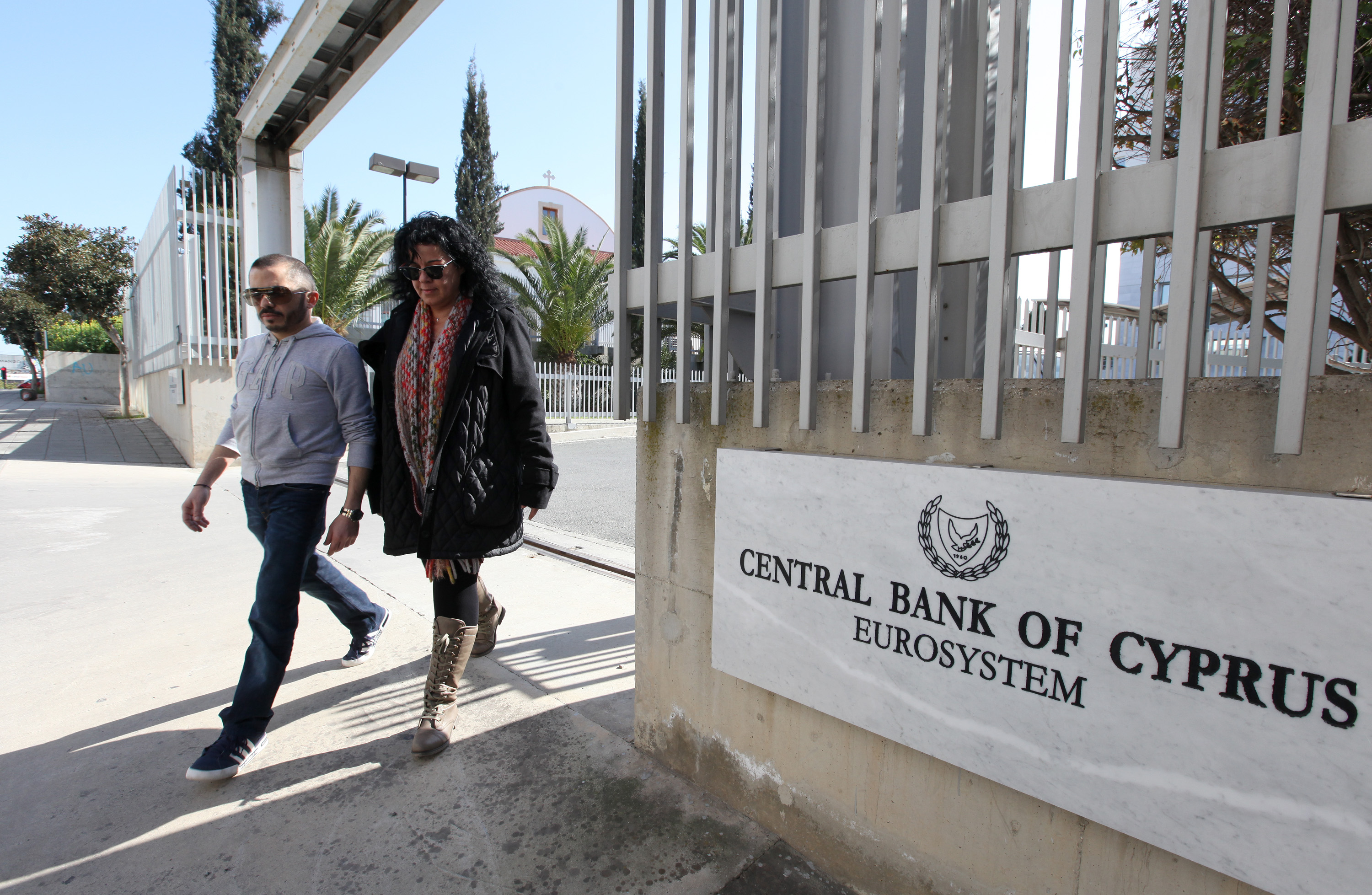
The ongoing war in the Middle East and geopolitical uncertainty with the following significant increase in the price of oil, is expected to have a direct negative effect on the Cypriot economy, mainly in the short term, the Central Bank warned on Tuesday.
It also cautioned that inflation is set to rise in 2026, while forecasting a growth of 2.7 per cent in 2026, down from 3.8 per cent in 2025.
The projections, covering the period to 2028, suggest the slowdown will be temporary, with growth expected to recover to 2.9 per cent in 2027 rising to 3.1 per cent in 2028 as conditions stabilise.
However, the near-term picture remains constrained, particularly for sectors exposed to external demand and foreign investment.
Tourism, shipping, construction and real estate are among the most vulnerable, with the Central Bank warning that these sectors are “expected to be affected in the short term” due to their reliance on international flows.
Services exports are also likely to weaken as global uncertainty dampens demand, adding pressure across key components of economic activity including consumption, investment and trade.
The Central Bank’s baseline scenario assumes the conflict will last around two months at high intensity before easing, though it stressed that the scale of the impact will ultimately depend on how long and how severely the situation persists.
Domestic demand is expected to provide some resilience, with rising real household income and a strong labour market projected to support private consumption through 2026 to 2028.
Large-scale investments linked to infrastructure and reform programmes are also expected to sustain activity, although their effects may materialise more slowly.
Unemployment is forecast to remain stable at around 4.5 per cent over the three-year period, reflecting what the Central Bank described as the continued “resilience” of the labour market despite a slight slowdown in job growth in 2026.
It also pointed to supply chain disruptions pushing up the cost of industrial goods, while food prices are expected to rise due to more expensive fertilisers and the localised impact of foot and mouth disease on meat and dairy production.
The Central Bank cautioned that risks to growth remain tilted to the downside, warning that “higher than expected energy prices” and prolonged disruption to global supply chains could further weaken the outlook.
At the same time, risks to inflation are assessed as being on the upside, with the potential for stronger wage pressures and persistently high import costs.




Click here to change your cookie preferences