
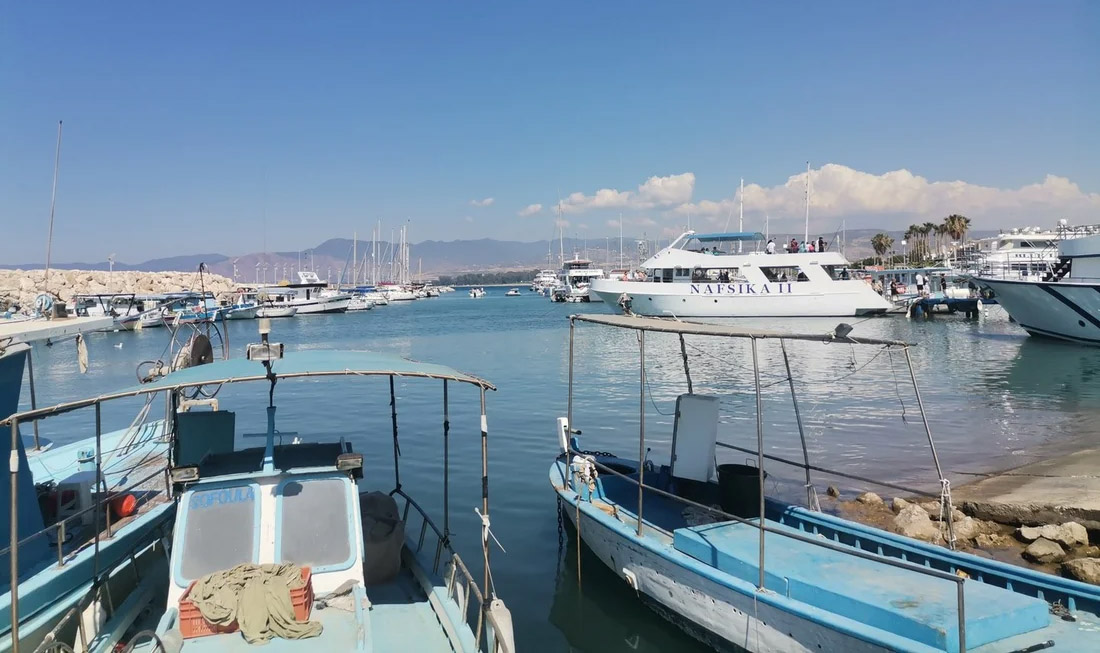
The House of Representatives has unanimously approved the Cyprus Ports Authority (CPA) budget, amounting to €83,950,909.
Notably, the 2026 budget is in deficit, with projected expenditure of €83,950,909 and expected revenue of €65,190,938.
The revenues are expected to come primarily from port operations, generating €37,326,560, alongside income from investments, bank interest and various financial revenues amounting to €4,000,000.
Additional income includes €965,000 from other sources, €9,016,870 from European funds, and €13,700,000 from the leasing of Limassol and Larnaca ports.
The projected expenditure includes regular expenses of €36,111,849 and capital expenditure of €45,839,060.
An additional €2,000,000 has been allocated for unforeseen expenses and reserves.
During the discussion phase, it was highlighted that the CPA has secured co-financing approval for the Vasiliko port expansion project through the European programme Connecting Europe Facility.
The first phase of the project is expected to be completed by December 31, 2028, while the second phase is scheduled for completion in the early months of 2030.
It was also stated that a study on the redesign of the Latsi port expansion has been completed by the authority’s technical services.
Approval from the Environment Department is pending, after which the authority is expected to proceed with a tender for the completion of the project, with an estimated construction cost of €45 million and implementation expected within 2028.
The authority has also indicated that it is ready to undertake any work assigned to it in relation to the planned mild development in Larnaca district.
“The development of Larnaca port must be assigned to the CPA with significant benefits for the economy and the city of Larnaca,” said Dipa MP Alekos Tryfonides.
Meanwhile, Diko’s Zacharias Koulias stated that “semi-governmental organisations are the greatest asset of citizens”.
Referring to the management of Larnaca port, Koulias spoke of “unacceptable handling in favour of private interests”.
“We the people of Larnaca ended up arguing among ourselves,” said Diko’s Christos Orphanides, criticising past decisions and referring to the unilateral termination and subsequent handling of the Larnaca port project.
He added that the Transport Minister never stated that the port would be assigned to the CPA, noting instead that a study had been commissioned from Greece covering the port, marina and surrounding land.
“Today we are faced with certain realities, said Akel’s Andreas Pasiourtides, adding that “the CPA can develop Larnaca port”.
He further said that he expects to see a management plan soon and that his party will support this direction.
“The CPA was consistent and submitted a proposal for Larnaca port,” said Elam’s Sotiris Ioannou.
He added that the people of Larnaca themselves requested to have a role and a say in the development.
“The agreement continues to haunt us,” said Akel’s Andreas Kafkalias, in reference to the state’s contract with private operators at Limassol port.
He described the agreement as “very bad” and stated that the government must find ways to disengage from it.



Click here to change your cookie preferences