
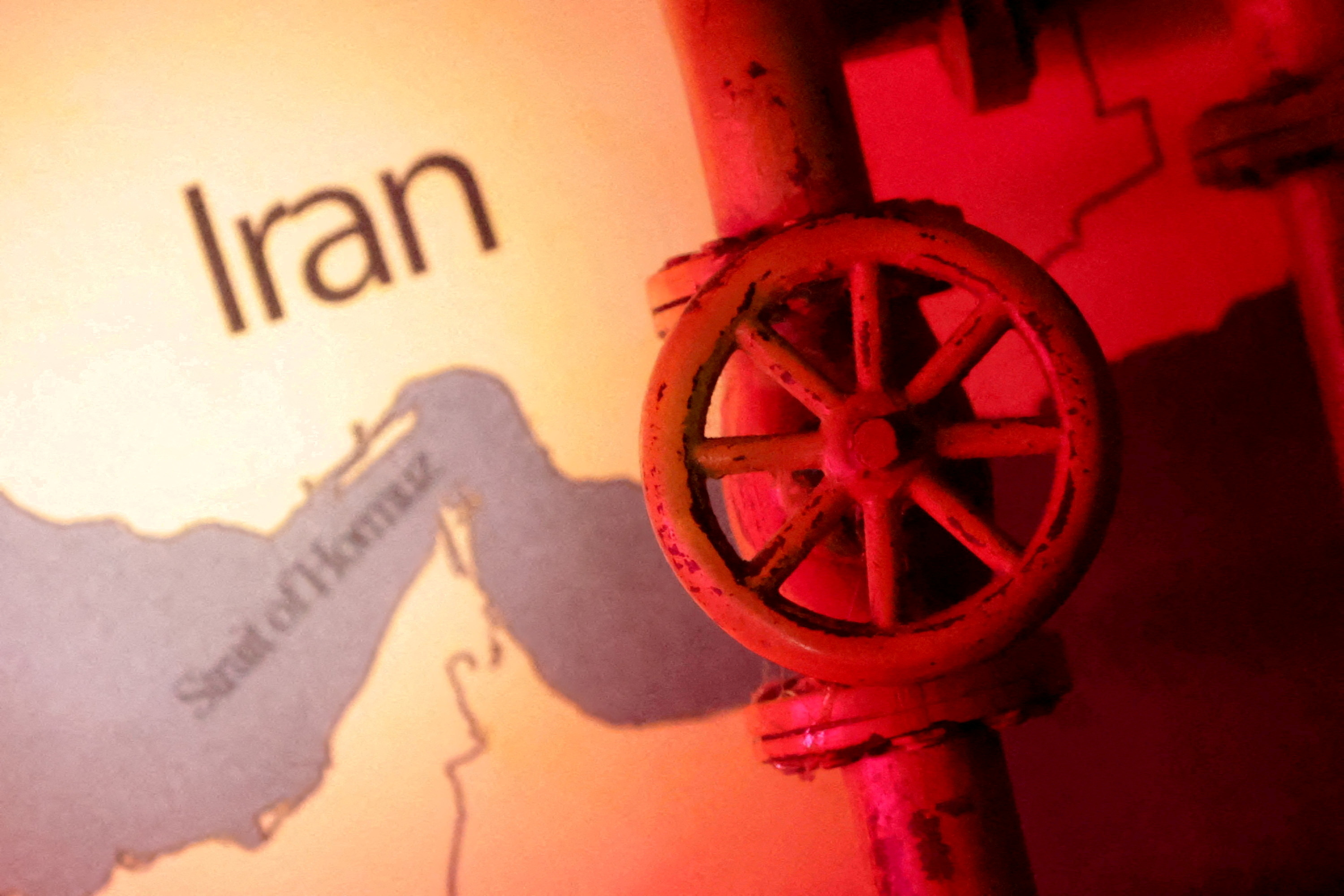
The escalating conflict involving the United States, Israel, and Iran has transcended a localised military intervention to become a systemic disruption of the global order. International observers now reach a sobering consensus: the global community faces a prolonged confrontation rather than a short-term skirmish.
A war extending through 2026 and may be even for longer, will have profound ramifications for the global economy and the regional geopolitical balance.
For Cyprus, the outlook is increasingly precarious. The island’s vulnerability is twofold: first, its heavy dependence on imported food and energy; and second, its strategic pivot from a “buffer zone” to a “front-line state,” shifting from passive to active deterrence and creating dangerous new fault lines.
Brace for a long war and boots on the ground
The complexity of this conflict suggests it will be significantly more drawn out than initially anticipated. This is not merely a Middle Eastern regional dispute, but a battle for the future of the global financial system. Current Western leadership appears ideologically committed to “regime change” in Iran and Russia, viewing the struggle as existential for the liberal world order. It is a contest for Western hegemony against a nascent axis of Russia, China, and Iran—a bloc that will not retreat quietly. These nations are now physically and economically integrated, standing to benefit from a war of attrition that drains Western munitions and treasuries.
Effectively, we have been in a “hot war” since the 2014 Ukrainian upheaval. Today’s conflict is a proxy evolution where the US and Europe supply Ukraine, while Russia and China back Iran. With the expiration of recent diplomatic deadlines, a significant escalation—potentially including a ground invasion—appears imminent. Should the Iranian government be targeted, power will likely decentralise to local commanders. Even in the event of a collapse of central authority, the Strait of Hormuz would likely remain closed, as no unified entity would exist to reopen it. This is not a prelude to a ceasefire; it is the volatile birth of a new world order.
The global ‘great reset’ and stagflation
For the global economy, this “Long War” serves as the catalyst for a “Great Reset” defined by stagflation. The de facto closure of the Strait of Hormuz has removed nearly 20 per cent of the daily global oil supply, driving Brent crude toward the $115–$140 range. This energy shock is compounded by a collapse in the fertiliser market. As the Gulf is a primary exporter of urea and ammonia, global agricultural yields for the 2026–27 season are projected to fall sharply.
We are entering a phase where traditional economic laws appear to “break down.” OECD inflation projections of 4.2 per cent for the US in 2026 are likely conservative, as the Western financial system attempts to absorb these shocks through monetary expansion.
Furthermore, the concept of a uniform “global oil price” is becoming obsolete, replaced by regional fragmentation. While North America may maintain self-sufficiency in food and energy, Europe remains a huge net importer, leaving it heavily exposed. Simultaneously, surging government bond yields in the US and EU reflect a rising “war risk” premium, creating a liquidity trap where central banks cannot lower rates to stimulate growth without risking currency collapse.
Cyprus: the ‘Safe Harbour’ illusion
In this landscape, Cyprus occupies a position that is as lucrative as it is perilous. The island is seeing an influx of capital as high-net-worth individuals flee instability in Dubai, Beirut, and Tel Aviv for the sanctuary of an EU legal framework. This has bolstered Limassol and Nicosia as tech and finance hubs.
However, this capital influx masks a profound physical fragility. Cyprus remains an “energy island,” reliant on imported refined oil for power. Any disruption to Mediterranean shipping lanes or a spike in maritime insurance premiums could trigger a liquidity crisis for the Electricity Authority, threatening the continuous power supply essential for a modern economy. Furthermore, the island remains almost entirely dependent on imports for the grain and animal feed required to sustain its population.
The pivot to ‘Active Deterrence’
The most controversial shift in 2026 is the government’s adoption of “Active Deterrence.” By formalising a defense roadmap with the US, upgrading the Andreas Papandreou and Mari bases, and hosting French and Greek military assets, the Republic has abandoned its historical “neutrality through ambiguity.” While intended to project strength, this move arguably diminishes security.
By becoming “interoperable” with US and Israeli military networks, Cyprus has traded its “innocent bystander” status for that of an active military asset—effectively a “Western aircraft carrier” in the eyes of the IRGC and its regional proxies.
The Turkish “Counter-Deterrence” trap
Critically, this strategy has provided Turkey with a pretext for “counter-deterrence.” Ankara claims Nicosia has repudiated the Treaty of Guarantee by inviting non-guarantor powers, namely the US and France, into its defense architecture. In response, Turkey has permanently stationed F-16s in the occupied north and activated its “Steel Dome” air defense network, neutralising the Republic’s air superiority and establishing a de facto no-fly zone over the Green Line.
Sovereign resilience vs. military roadmaps
In conclusion, the active deterrence strategy has ensnared Cyprus in an unwinnable arms race while making the island a target for retaliation. Serving as a junior partner in a broader Western military strategy carries immense risk. We may find ourselves swapping the legal protections of the 1960 Republic for a military umbrella that attracts missiles rather than repelling them. The true struggle for Cyprus in 2026 is not found in the Gulf, but in maintaining the state’s fundamental sovereign resilience.



Click here to change your cookie preferences