
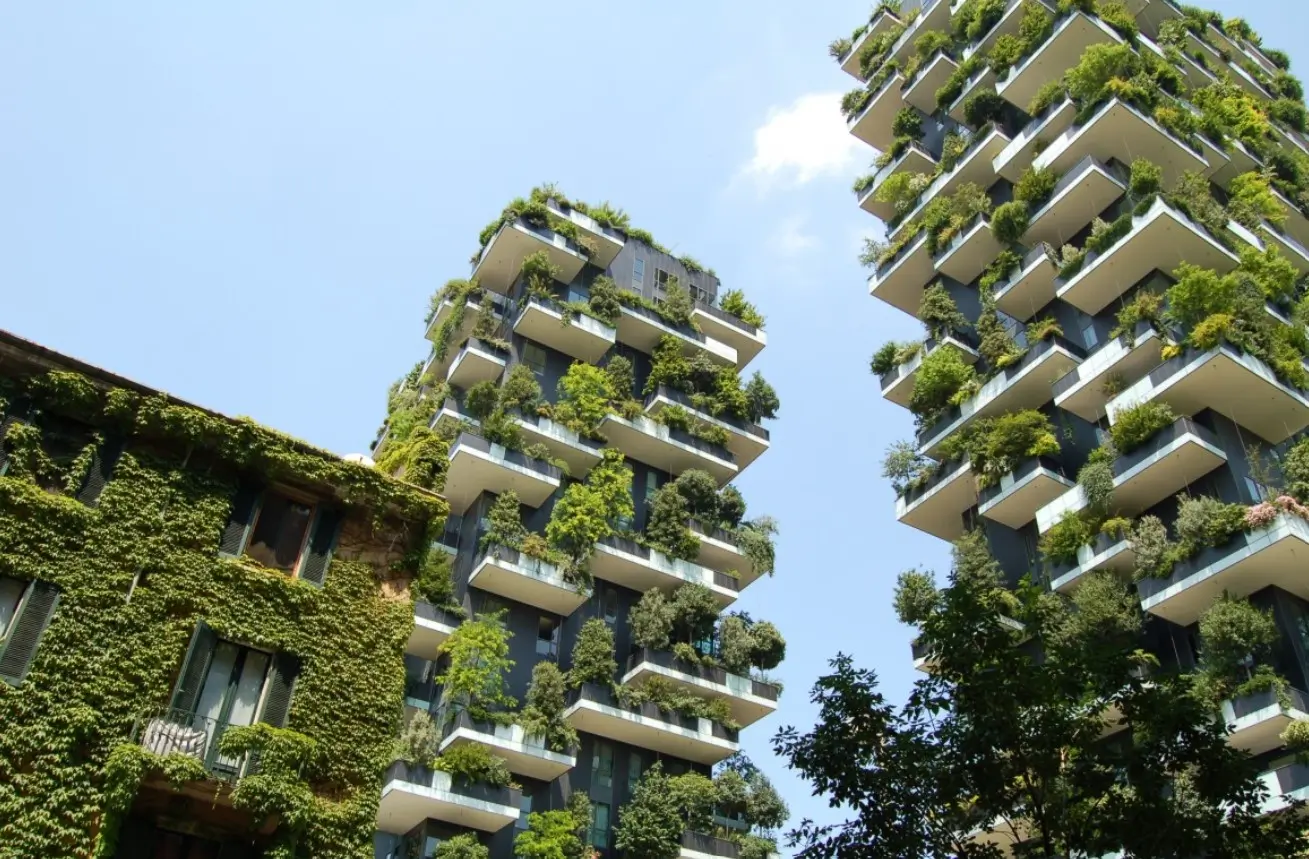
The European Commission this week unveiled a comprehensive strategy to decarbonise the built environment, introducing a whole life carbon approach to eliminate greenhouse gas emissions from construction to demolition.
The new staff working document provides a roadmap for authorities and industry professionals to address the largest consumers of materials and energy in the union.
By focusing on the entire life cycle of a structure, the guidance aims to shift the industry away from a “build and destroy” model toward a resource-efficient economy.
The building sector currently generates the largest waste stream in Europe, making its transformation essential for achieving climate neutrality.
A key pillar of the strategy involves the transition to circular practices, prioritising the repurposing of existing structures over the carbon-heavy process of new construction.
To address the growing housing needs in Europe, the commission suggests that repurposing the current building stock could provide a faster, greener route to increasing supply.
“Adopting the ‘whole life carbon’ approach to buildings, the document highlights the potential of renovation, repurposing and conversion of the existing building stock as a way to improve supply and availability of housing,” the commission stated in the document.
This initiative is particularly focused on the affordable and sustainable housing initiative, exploring how empty commercial spaces can be put to better use.
“In a key effort to support the affordable and sustainable housing initiative of the EU, the Commission’s guidance looks at, for instance, how to transform vacant office buildings into social and affordable housing,” the commission explained.
Beyond housing, the document aligns with the Clean Industrial Deal by reducing dependencies on imports of critical raw materials and energy.
By lowering demand for new materials through smarter design and demand-side measures, Europe can strengthen its industrial competitiveness.
The New European Bauhaus will lead this transition, funding demonstration projects that move away from reducing waste across the built environment toward a fully integrated circular model.
“The NEB will tap into the potential of vacant and under-occupied built environment, prioritising the better use of existing buildings over demolition and new construction,” the commission noted regarding the future of the movement.
Ultimately, the framework seeks to ensure that every stage of a building’s existence contributes to the entire life cycle of European decarbonisation.




Click here to change your cookie preferences