
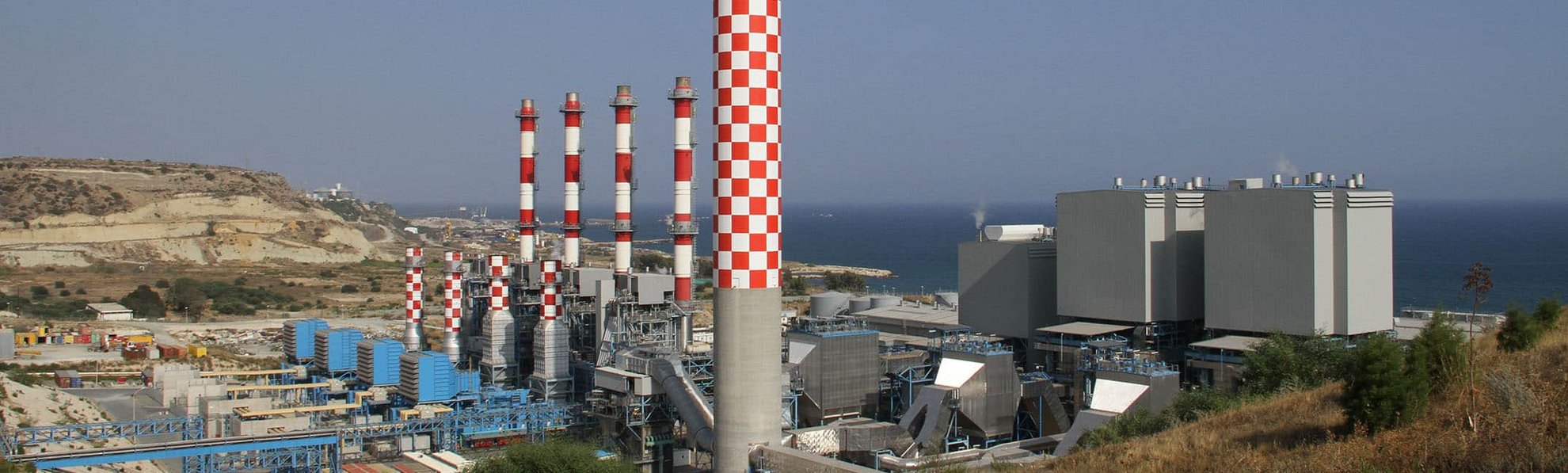
Environment Commissioner, Antonia Theodosiou, cautioned on Sunday that greenhouse gas concentrations in Cyprus have reached historic highs, with grave environmental consequences despite recent progress in emissions reduction.
Speaking at the “Earth Hour 2026” event in Troodos, Theodosiou said that “greenhouse gas concentrations have reached historically high levels, with electricity generation and transport being the main emission sectors.”
Citing findings from the Cyprus Institute’s atmospheric research centre published in last January, she pointed to structural challenges in the country’s energy and transport systems.
At the same time, she acknowledged that “it is positive that signs of progress are also being recorded”, referencing a 5.2 per cent reduction in emissions reported by Eurostat in February 2026.
She cautioned, however, that “this progress cannot make us complacent”, stressing that efforts must be “continued and strengthened” to ensure a meaningful transition to a sustainable energy and development model.
Beyond emissions, she warned that environmental strain in Cyprus is increasingly visible in water scarcity, describing it as “no longer a possibility of the future, but a reality” already affecting daily life, agriculture and advancing desertification.
She called for “a coherent and integrated approach” linking public policy with individual responsibility in managing natural resources, including energy, water and land.
Referring to the Troodos geopark, she described it as “a valuable natural and geological treasure for Cyprus”, highlighting its international recognition after joining the UNESCO Global Geoparks Network in 2015 and its significance as a site shaped by the geological processes that formed the island.
She added that the transition to climate neutrality remains a central European and international objective, describing it as “a necessary transition” tied to addressing the climate crisis and safeguarding ecosystems.
In this context, she identified renewable energy, particularly photovoltaic systems, as a key tool in reducing emissions, while also emphasising the role of energy communities as “a modern and participatory model” enabling the public to take an active role in energy production and management.




Click here to change your cookie preferences