
Measures to “support society” by the state whenever there is a spike in prices appear to have become the norm in the last few years.
The precedent was set during the economic irrationality of the lockdowns, when a large number of businesses shut shop, and a large section of the workforce was paid by the state to stay at home and do nothing for months. Government picked up the bill and then had to deal with the soaring inflation that was the direct result of the policy of paying people to produce nothing. Although inflation was eventually brought under control, the cost of living remained high, eroding living standards as wages did not follow the major price rise.
Since then, the implementation of measures to “support society” have become the only government answer when an economic setback surfaces. There were measures to help people cope with the high inflation in the aftermath of the pandemic and subsequently with the high energy prices caused by the invasion of Ukraine by Russia – these included zero VAT on basic goods and cuts in fuel and electricity taxes. Zero VAT on basic items remained even when they were not needed – the Cyprus economy was thriving, enjoying one of the highest growth rates in the eurozone, very low unemployment and stable prices. The main problem it faced was a labour shortage.
The Christodoulides government, blessed with a robust, thriving economy, has made these measures part of its social policy. It did not consider it necessary to end the zero VAT regime on basic goods and also kept the small discounts on electricity bills. It was therefore a certainty that it would come up with measures to “support society” now that the price of oil has soared as a result of the US-Israel war on Iran. In fact, political parties demanded support measures soon after the war began and not knowing how long it would last, because messing with tax cuts has become the done thing in time of crisis. Akel even came up with a long list of measures that would have cost a fortune. Disy followed suit although it showed more restraint.
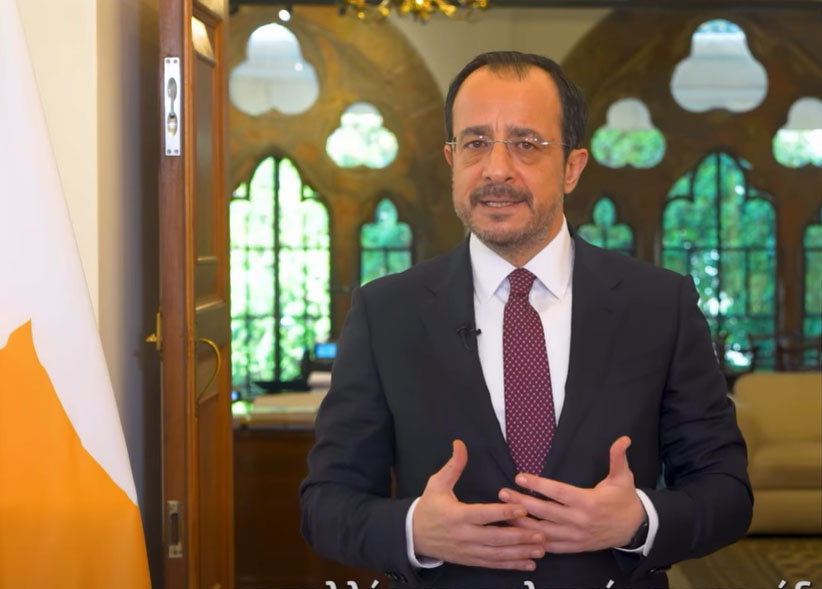
On Thursday, President Christodoulides announced the government’s measures, worth €100 million, which combined with those already in place, would amount to about €200 million. These included a reduction of VAT on electricity bills to 5 per cent and a cut of the consumer tax on fuel by 8.33 cent per litre. VAT on meat, fish and poultry would be scrapped, as has been the case with fruit and vegetables for some time now.
In a bizarre move, the government will cover 30 per cent of the payroll of hotels open for the whole of April. Hotels have enjoyed three bumper years, with record occupancy rates. Why is the government helping them out at the first sign of difficulty? If bookings do not pick up in May, will it subsidise hotel wages for that month as well? State assistance should be given in exceptional circumstances not at the first sign of difficulty, because this sets a precedent.
Generally, messing with market prices by the state is a dangerous game that causes distortions in the market, and the fact that the government has achieved budget surpluses and can afford so-called support measures is no justification for doing this. Surpluses can be wiped out, especially once the government makes the introduction of wasteful support measures an ongoing policy, thus creating public expectation for state spending whenever the economy faces a problem.
Speaking on CyBC radio on Friday, under-secretary to the president Irini Piki said the government was monitoring the market and had not ruled out the possibility of “additional measures of support for citizens.” State interference in the market, under the slogan of “support for society,” has become a key policy of this government, but it can all go badly wrong. If the war in Iran drags on for a few months and tourist arrivals remain low, will the government keep supporting hotels and will it cut taxes on fuel and electricity further?
When he was announcing the latest measures, the president proudly declared that it was the “prudent fiscal policy which created the fiscal ability to intervene when it is required.” It was this “responsible management that enabled us to announce new measures today without putting at risk the stability of the economy,” he added. The reality is that it is neither prudent nor responsible for the state to keep cutting taxes and reducing its revenue in a futile attempt to control prices. Nothing good can come of this.





Click here to change your cookie preferences