
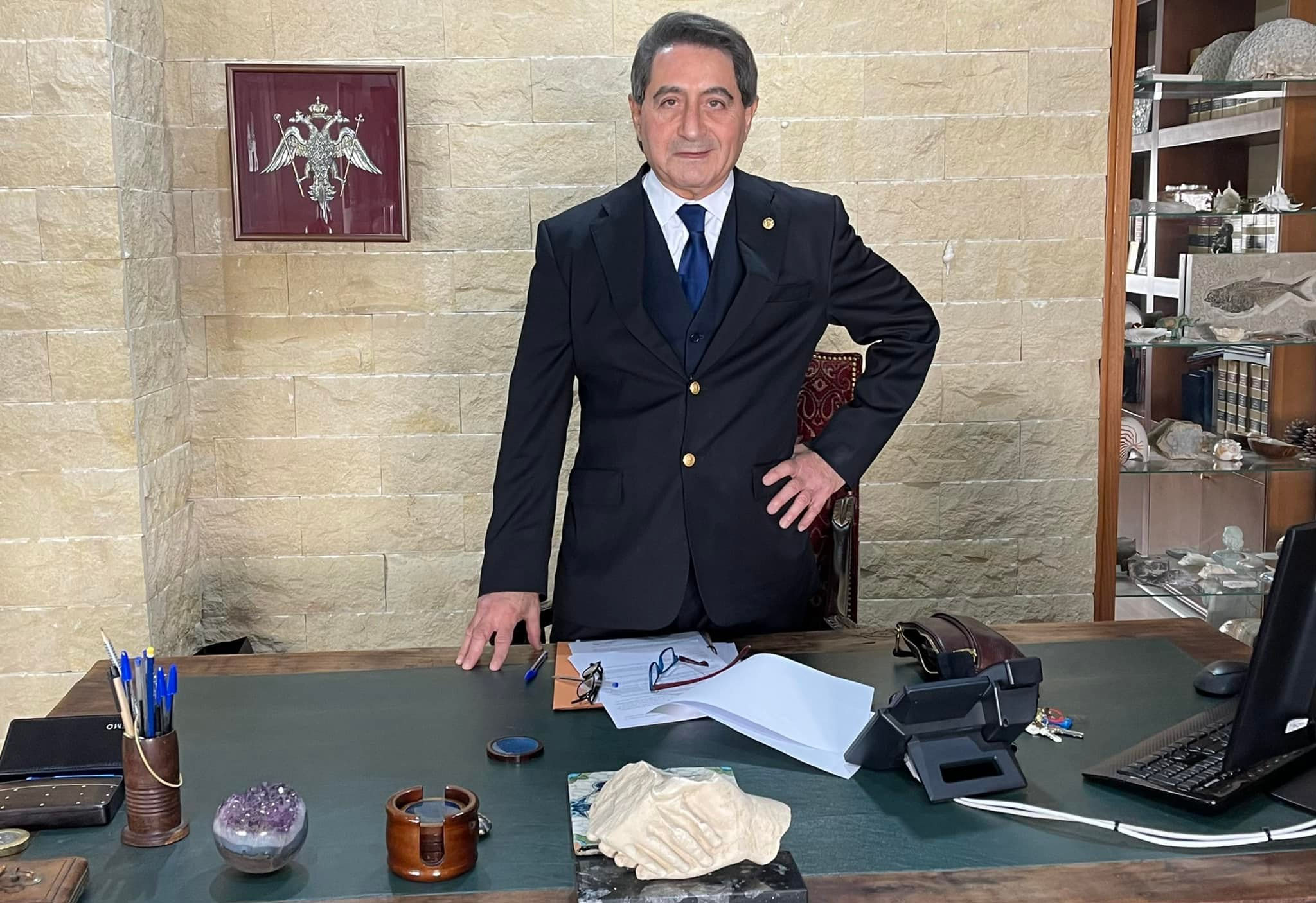
The police on Sunday defended their decision to issue a search warrant for the home and office of lawyer Nikos Clerides, stressing that the decision was taken within the bounds of the law.
“The submission of the request [for the warrant] by the police was based on an evaluation of specific testimony which has legally come into their possession, and which was deemed sufficient to support the procedure in question,” they said.
They added, that “in no case is there any intention or action which would violate legal confidentiality, which is fully respected and protected, in accordance with the current legal framework”.
As such, they said, the police “always act with the aim of defending human rights and upholding the principles of the rule of law”.
“At this stage, the primary goal is to fully clarify the case and reveal the truth, so as to restore public trust. There is no targeting of individuals, as all actions are carried out exclusively on the basis of assessed testimony and in accordance with the prescribed legal procedures,” they said.
The warrant had been issued after journalist Makarios Drousiotis had levelled a series of accusations at former supreme court judge Michalakis Christodoulou, among which being that he had raped a client of Clerides.
However, Clerides’ brother, former bar association chairman Christos Clerides, had on Saturday accused the authorities of acting in a manner akin to “terrorism”, and asked why the police have not searched the property of Christodoulou or the woman, who thus far has been referred to only as ‘Sandy’.
Christos Clerides said on this matter that “Cyprus has become a dictatorship”, while accusing the police of acting selectively.
Christodoulou maintains his innocence, saying that he had “acted like a father” to ‘Sandy’, while other figures named by Drousiotis, including former MEP Demetris Papadakis and Edek deputy leader Morfakis Solomonides, both of whom he alleges to have “acted on the behest of Christodoulou as informants and interlocutors”, have denied the allegations.
Papadakis also gave a statement to the police last week, accusing Drousiotis of publishing false news and circulating false documents, before calling a fresh press conference on Wednesday to once again state that he is innocent.
Later, Nikos Clerides insinuated that he fears for his life in the aftermath of the allegations’ surfacing, saying, “I feel like I’m in danger”, and adding, “I don’t want anyone to think I’m suicidal”.
Justice Minister Costas Fitiris, meanwhile, said that evidence gathered in connection with the case will be forwarded to the European Union agency for law enforcement (Europol).





Click here to change your cookie preferences