
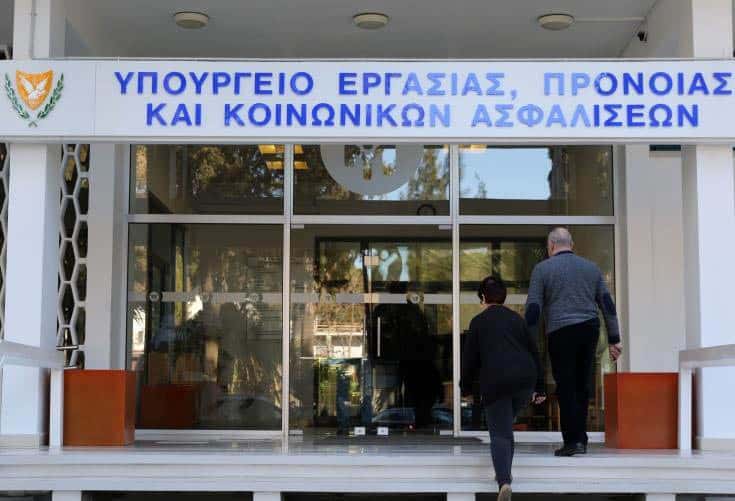
Civil servants trade union Pasydy welcomed the submission to parliament of three bills aimed at overhauling recruitment in public service, saying the existing system was marked by serious weaknesses and that several of the union’s proposals had been incorporated.
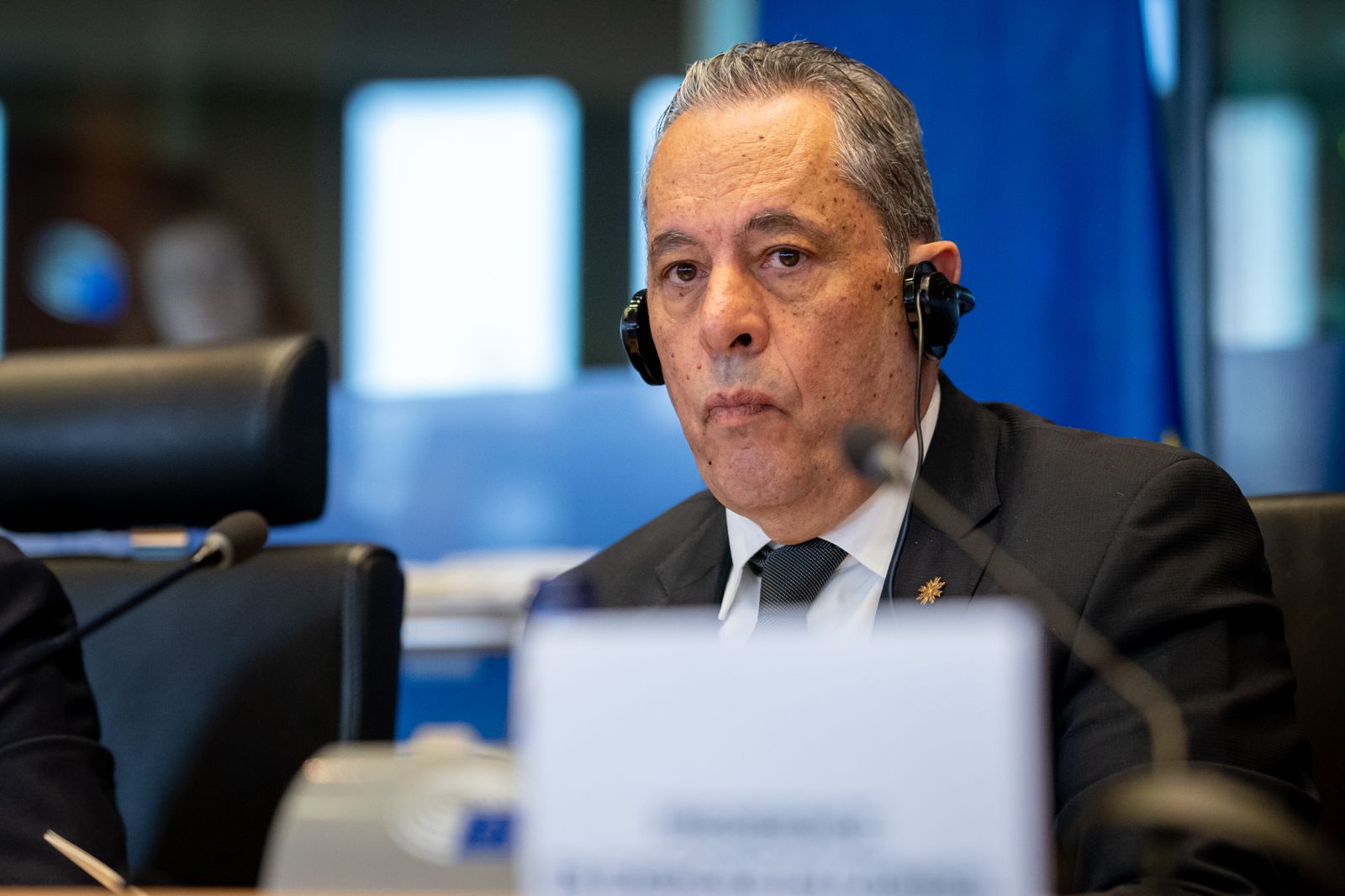
The union said the reform push, led by Finance Minister Makis Keravnos, is intended to shorten the time needed to hire permanent staff, while making the process more targeted and better aligned with the needs of government departments.
“Pasydy welcomes the move by Keravnos, to modernise the recruitment process in the public service with the aim of shortening the time required to recruit permanent employees,” the union’s general secretary, Stratis Mattheou, told Politis.
Mattheou said both Pasydy and the union’s directors’ branch had in recent months submitted letters with specific suggestions on the need to modernise the recruitment process, adding that several of those proposals were adopted in the bills now before parliament.
He said “the previous system suffered from serious flaws and had failed to attract a satisfactory number of candidates.”
In some cases, he added, applicants moved from one position to another without clearly knowing which posts they were sitting exams for, despite having to prepare and pay a €50 fee.
He also said the union had received many complaints from department directors over what he described as the inefficiency of the existing system.
Pasydy said “it would examine the bills in detail and, if it identified the need for further improvements, would submit its views to parliament.”
The three bills, approved by the cabinet on April 8 and submitted to the House on Thursday, are the evaluation of candidates for appointment to the public service law of 2026, the public service (Amendment) Law of 2026, and the evaluation of candidates for appointment to the public service (Temporary Provisions) Law of 2026.
According to the explanatory report, the first bill changes the procedure for filling entry-level public service posts by requiring general written examinations to be held after vacancies are announced, rather than beforehand.
The aim is to make the process more focused, so candidates know which posts are open and whether they are qualified before deciding to sit the exams, which require preparation and the payment of a fee.
The bill also provides for vacancies to be published during the first two months of each year, instead of every four months, in a move designed to speed up recruitment.
In addition, it abolishes the requirement for annual submission to parliament of lists of posts for which a general or special written examination is required.
Under the proposed changes, posts requiring a special written examination because of their specific nature or difficulty in being filled would instead be determined by a cabinet decree issued in December of the preceding year.
The legislation also abolishes the current special committee responsible for the general written examination, with the authority to decide the type of examination shifting to the public service commission.
Another amendment increases the points available from a department head’s assessment during the oral stage to 15 from five. The commission would continue to have the power to award up to 20 points in the oral examination.
The third bill provides for no written examination to be held during the final four months of each year by the special committee for entry-level public service posts. It also suspends, for 2026, the submission to parliament of the annual lists of posts requiring approval.
The report notes that the temporary arrangement will not affect recruitment in 2026, since candidates who passed the written examination held in the final four months of 2025 will still be able to apply for any vacant post published in 2026, provided they meet the required qualifications.



Click here to change your cookie preferences