
The little known story of the Turkish Cypriot who helped wipe out malaria
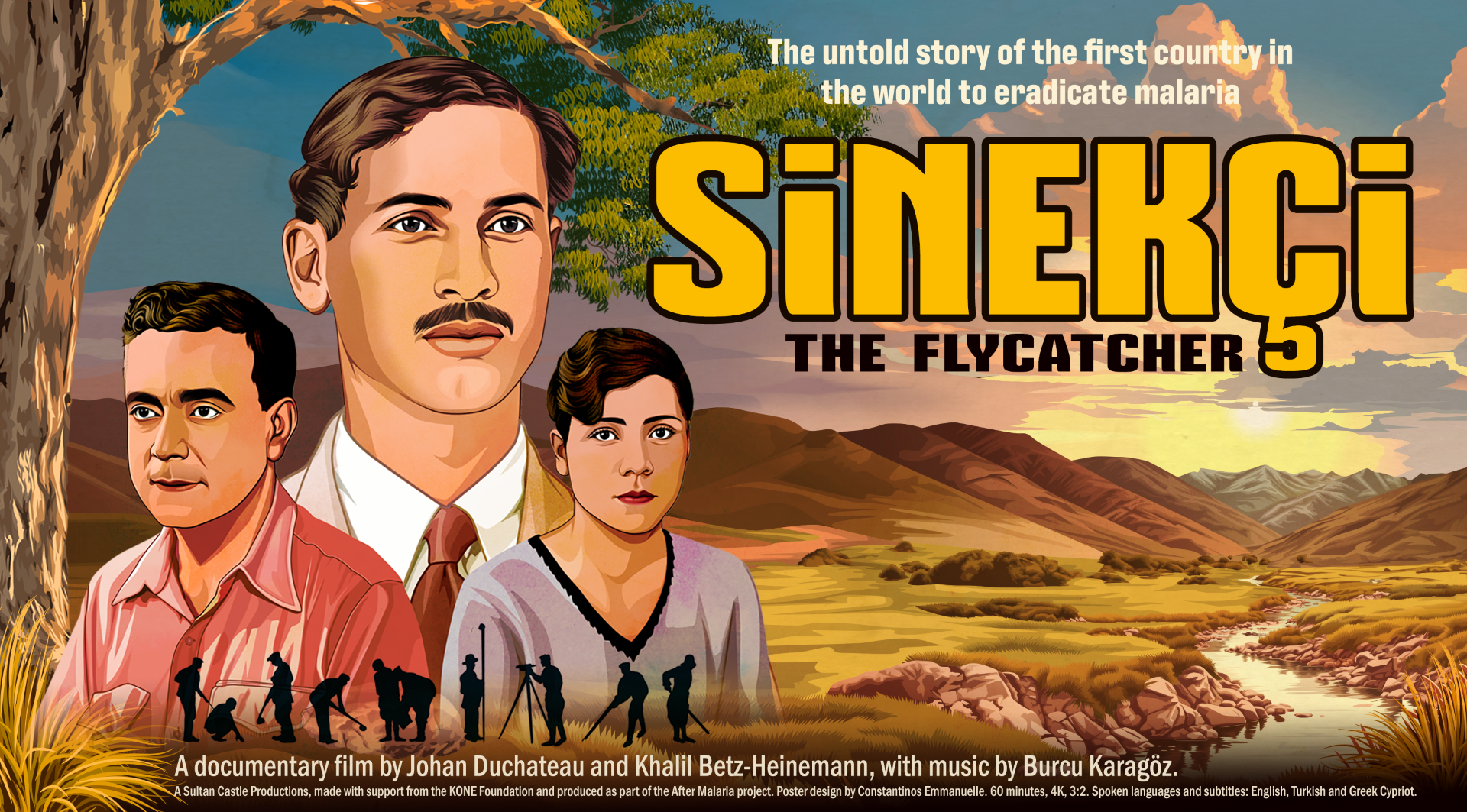
The little known story of a Turkish Cypriot health inspector credited with eradicating malaria on the island and making Cyprus the first country in the world to be free of the disease (and keep it that way) has become the subject of a new documentary.
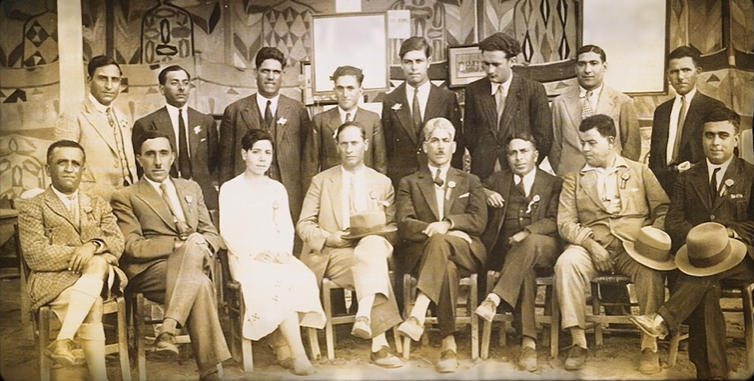
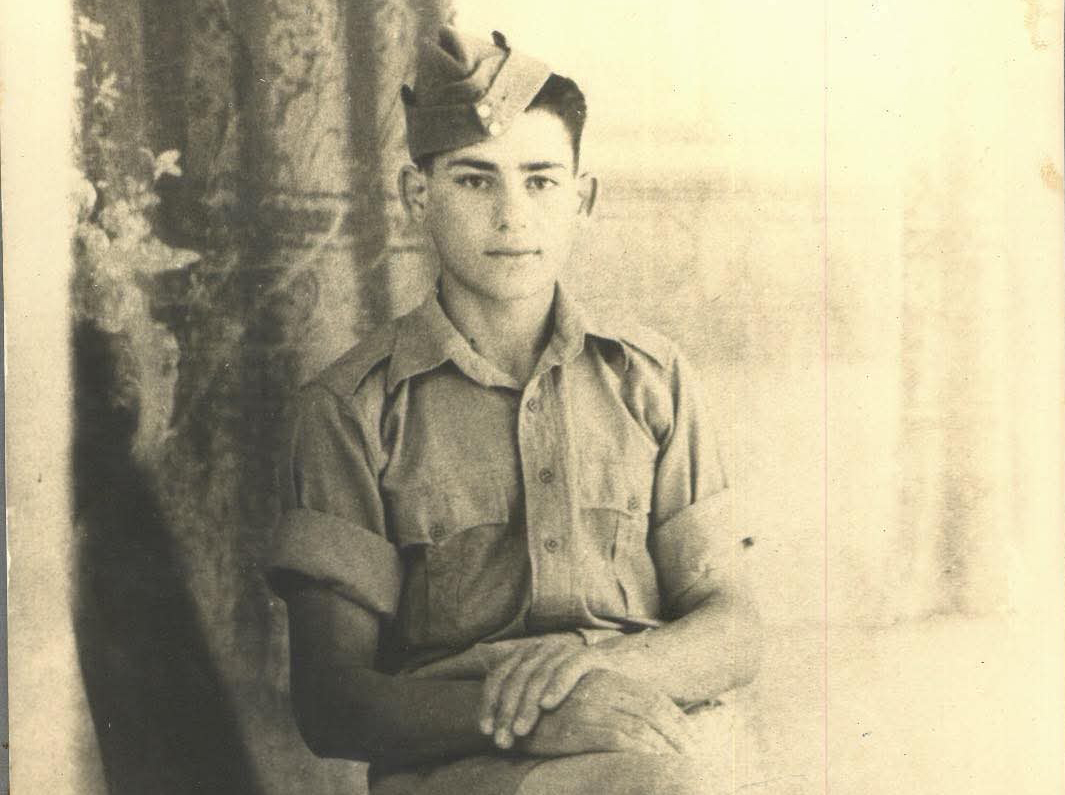
Descibred in the film The Flycatcher as the “Great Liberator”, Mehmet Aziz became the chief health inspector for the British colonial government of Cyprus in the 1930s and 1940s. Born in Kalo Chorio near Larnaca in 1893, he is little known on either side of the divide, the story of his struggle against the deadly parasite having been disputed and nudged to obscurity by the claims of envious rivals abroad and further obfiscated in the fallout of the island’s political history.
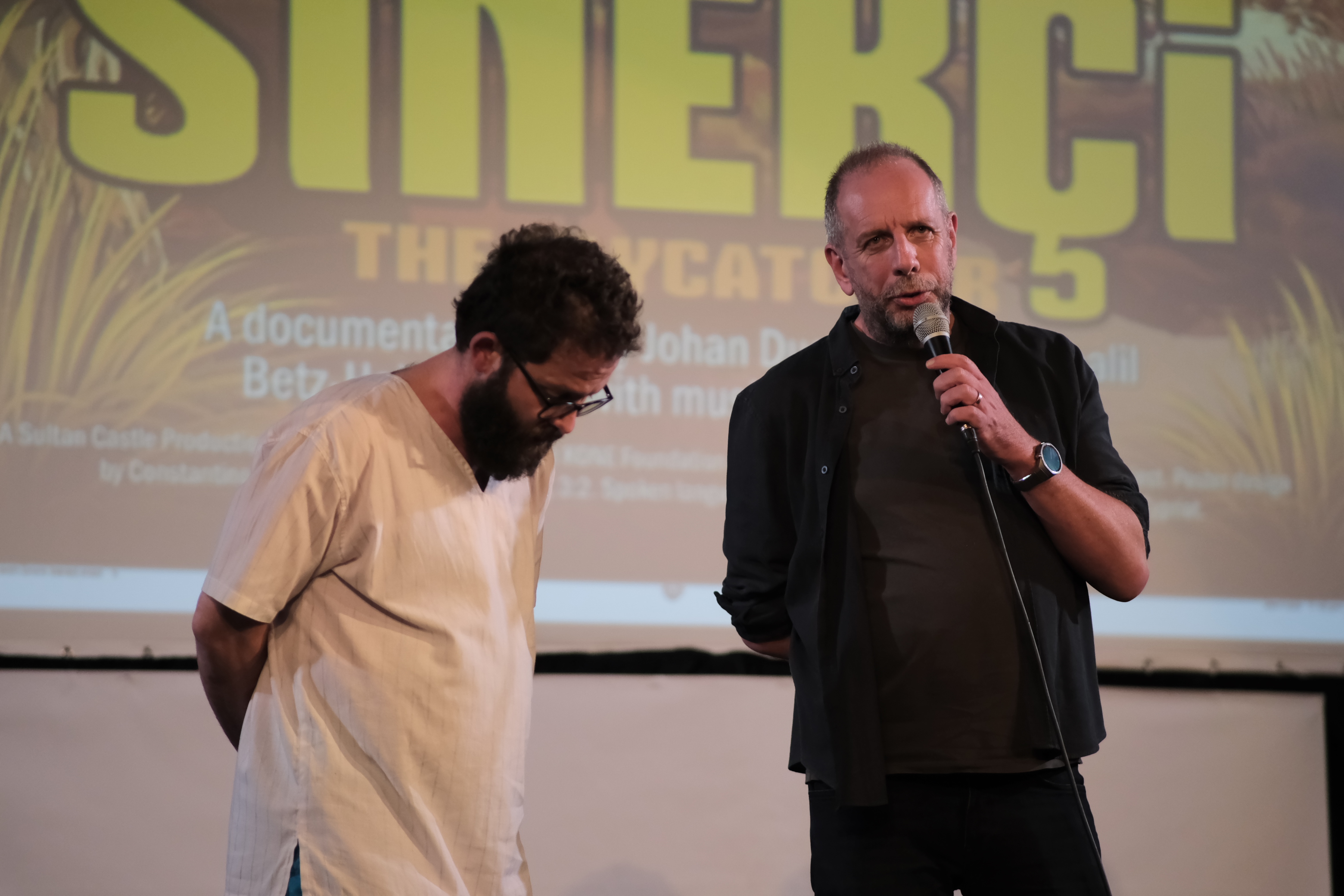
The documentary has been made by Khalil Avi Betz-Heinemann and Johan Duchateau.
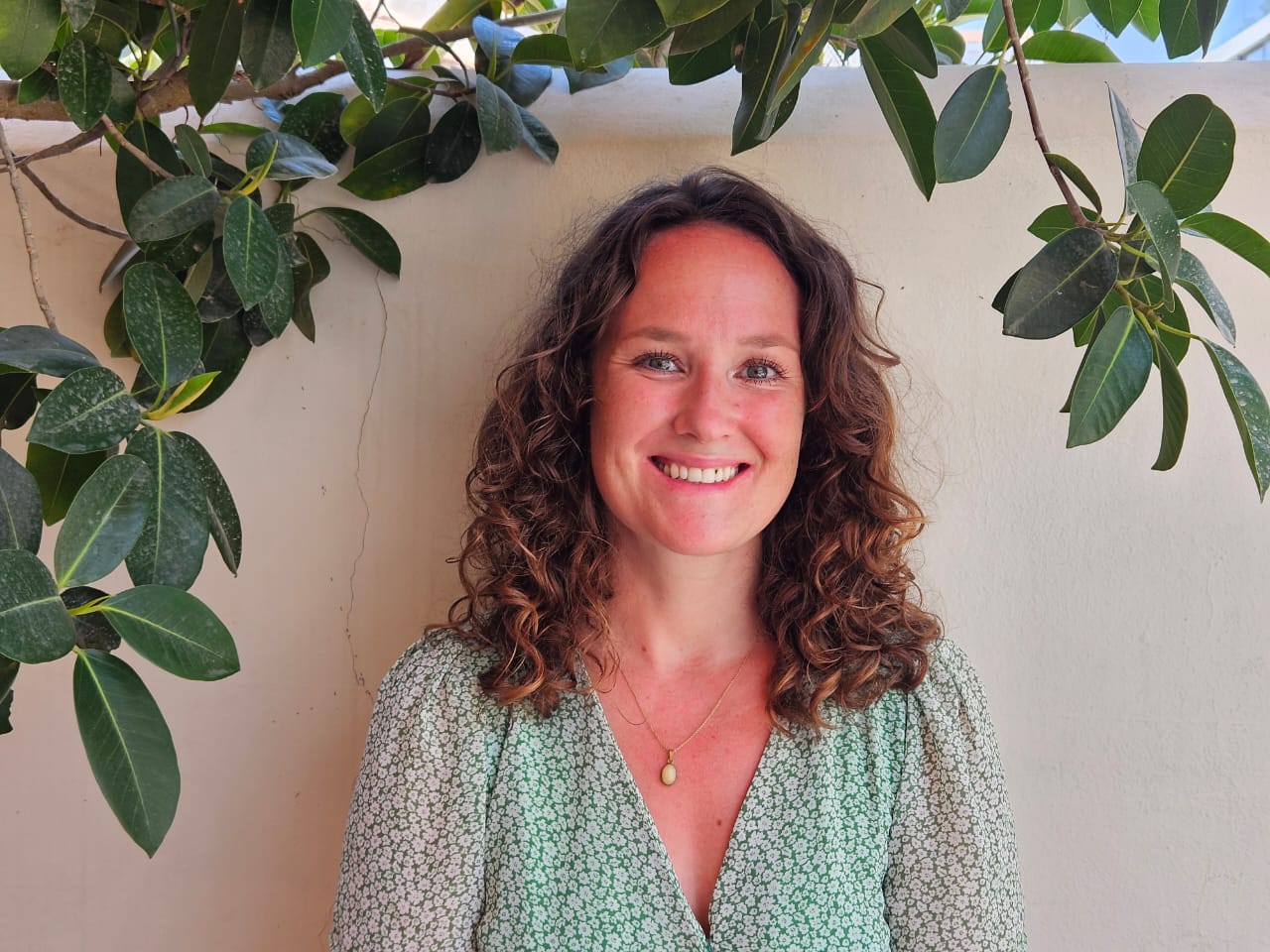
Avi, a medical anthropologist who spent his childhood in Cyprus and is now based in Finland, first came across Aziz’s story while researching the worldwide history of malaria eradication. He was so taken by the breadth of the Turkish Cypriot’s vision and pioneering exploration of cultural, social and economic issues related to malaria that he got in touch with his close friend Johan about making a film about Aziz.
Johan, a Belgian cameraman living in the north and married to a Turkish Cypriot was only too happy to comply.
Their film focuses on two angles of the same story – the life and legacy of Mehmet Aziz, the ‘Flycatcher’ and the malaria eradication programme he came up with, as well as contemporary research on the island where climate change has resulted in the appearance of some new mosquito species that could potentially trigger outbreaks of deadly diseases such as the West Nile virus.
Avi said this dual approach stems from how his partnership with Johan evolved. While Johan’s approach to the documentary mirrored his storyteller’s fascination with the uniqueness of Aziz’s pioneering efforts, Avi was insistent that the narrative should juxtapose the personal story of the brilliant health inspector with larger social issues, enabling them to compare past events with the current situation.
“That is why we looked not only at what has happened in history but also at its legacy. That is why it felt so relevant not only to talk to people who remember Mehmet Aziz and his work but also to people who work on mosquito control today to show how their work has been shaped by the very past we were exploring. It was amazing to see that even they were unaware of the extent the programmes they are running for managing mosquitoes on the island descends from the project Mehmet Aziz set up more than 80 years ago,” says Avi.
Johan agrees, noting that for him the use of the parallel narrative technique in the film made for a very interesting challenge. “The first narrative, the historical part, is the story that most people in Cyprus have forgotten about. If you ask them who Mehmet Aziz was, they simply don’t know. Even in the north, Turkish Cypriots know his daughters [who were very accomplished in their own right], but not him. And the second narrative about what it is being done about mosquuito control on the island nowadays is not really in the public knowledge either. So actually, we are combining two untold stories in this documentary, one from the past and one from the present.”
Obviously, the fight against malaria, a disease caused by Plasmodium parasites and transmitted through the bites of infected female Anopheles mosquitoes, is not only a Cyprus story. The disease can become fatal for the young, old or those without health care. It still exists in more than 80 countries including sub-Saharan Africa, the Middle East, parts of Asia, south and central America, the Caribbean and Oceania. In the ninteenth and first half of the twentieth century, an endemic malaria was present even in countries as cold as Finland, where it faded out over time, finally becoming eradicated in the 1950s due to improved living standards, reduced household sizes and other social changes.
When the British took control of Cyprus in 1878 they found malaria to be endemic and in their eyes the cause of widespread illness, weakness and economic stagnation. In 1936, a visiting malarialogist said ‘Cyprus over the previous four months has shown it was one of the most malarious placs in the world.’ In one survey, 8,467 children aged between one and 15 from 163 villages on the island were examined and ‘the malaria rate was found to be as high as on the west coast of Africa, Ceylon or India’.
The British noticed the disease soon after their arrival as it also severely affected their troops and officers. At first they distributed the traditional anti-malaria medicine, then quinine among their officers but it was in very short supply. Later, they began planting Eucalyptus, going to battle with Cyprus’ water system. The trees’ high water-absorption capacity helped drain swampy, malaria-prone areas, and while not native to the island they remain common on the island today.
In 1913, Cyprus was visited by Sir Ronald Ross, a Nobel laurate and pioneer in identifying the mosquito transmission of malaria. As adviser to the colonial government on malaria prevention, he authored the Prevention of Malaria in Cyprus report, published by His Majesty’s Stationery Office in 1914. It is with Ross’ visit to the island that the story of Mehmet Aziz’s involvement began.
To do his research, Ross had to travel all over the island and for this he obviously needed an interpreter/translator. Young Aziz was one of very few Cypriots at that time who spoke English as well as Greek and Turkish.
“Aziz had just come back from the United States, where he had been taken by his elder brother, who worked on building the Panama Canal,” Avi explains. “He went to a school there for a while so his English was fluent. And he had an ability to switch quickly among all three languages – exactly what Ross needed. But what made him excel was his humanistic side. Aziz was a very good communicator and very attentive to people’s concerns. That is why he didn’t stay just a translator but, with the support of Ross and the colonial administration, got further education and finally became the Chief Health Inspector.”
This is why his campaign to eradicate malaria was so successful – because it was organised by him not in an abstract way but in a manner that could adapt to changing circumstances adapted to different people’s input rather than them being ignored and giving rise to resistance. “Aziz undeerstood context,” Ari said.
The Colonial Development Fund-financed malaria eradication programme on the island took place between 1946 and 1949.
Aziz planned his work with military precision. He divided the entire island up into a grid, each unit of which could be covered by one man over 12 days. He employed a team of workers from all Cypriot communities so that the work could proceed smoothly covering all of the island’s villages.
According to Johan, he even had a Turkish Cypriot lady, Melahat Houloussi, on his team, which proved particularly helpful when entry to conservative Muslim household was required that “male members did not have access to”. Houloussi also served as Aziz’s secretary, writing up his reports and creating scientific drawings, according to Johan.
“Since Aziz was sending continuous data back to London about what was happening, if you go to see the records there, you can see that both Ross and later his protege George Macdonald used this material — both from Cyprus as well as other malaria-infected places in the world — to develop the global malaria programme that was later further developed and used by the WHO. However, it largely failed becuase it stripped out all the context that Aziz had taken care to include.”
Writer and BBC journalist Tabitha Morgan, the author of Sweet and Bitter Island, in writing about Aziz and his employees, notes how “they worked their way systematically through the grid plan, metre by painstaking metre, bombarding all sources of standing water (including drinking wells) with DDT. (…)
“Every pool and stream and area of water-logged ground was sprayed with insecticide. Even the hoof-prints of animals were treated. Aziz’s men waded into marshes and were lowered into caves by ropes. Tested areas were checked weekly for evidence of mosquito larvae and, if necessary, sprayed again. While the campaign lasted, all traffic moving from ‘unclean’ to ‘clean’ areas had to be sprayed”. On top of this, they pioneered a technique to minimise the use of DDT, pouring a thin petroleum film on to water surfaces to prevent mosquito larvae from hatching.
All this methodical hard work paid off. By 1950, Cyprus became the world’s first malaria-free country and Aziz was awarded the MBE being described by the London News Chronicle as ‘The Great Liberator’.
But the success of the ‘flycatchers’, as Aziz and his team were called by the local Cypriot population, did not secure them enduring fame. Just the opposite, their story was to be completely airbrushed out of a nation’s history.
Why is that? “Good question,” Avi responds, “to which there are several answers.”
“In Cyprus he is not remembered, partly due to the ongoing conflict and politics, and in the the academic literature… there were two malaria eradication projects taking place at the same time – one in Sardinia, funded by the Rockefeller Foundation, and the other one in Cyprus. Obviously there was some friendly competition there but evidence from the archives show there might have been some scientific suppression… often of a bigoted kind …”
Aziz died in the north of Cyprus in 1991. The documentary includes interviews with people who knew him and his family as well as descendants of members of his malaria eradication team, plus members, some current, of Greek and Turkish Cypriot health teams working on mosquito control.
Local stakeholders and contributors were invited to a special screening of the film at the end of the last year at Nicosia’s Pantheon Cinema in Nicosia. Another special screening is being laid on in Limassol on April 24 for students and academics of the Cyprus Technical University (Tepak). The following day, April 25 at 5pm, the documentary will be screened to the general public for the first time at Arkhé (Hafız Hasan Efendi Sk 24) in north Nicosia’s old town. On the same day, at 11am, there will be a public meeting at NIMAC in the old town in south Nicosia to discuss the legacy of Aziz’s work.
Noting it won’t be online anytime soon, Avi is keen to make it more widely available. “If you are an association or an organisation in Cyprus and you are interested in showing this film, you are welcome to approach us. Otherwise we are planning to submit this film to different film festivals inside and outside of Cyprus. In November, we will also show it in Helsinki.
“We would love to show it in Cypriot schools on both sides. Basically, this is a story that says that history in Cyprus did not begin in 1974 nor did it begin in 1963. The Mehmet Aziz story is a story that all Cypriots can relate to, bringing people together who might not usually sit alongside one another at the same table, a good reason why everybody should see it.”
The film was funded by the Finnish Kone Foundation and is part of the larger After Malaria Project.
Click here to change your cookie preferences