
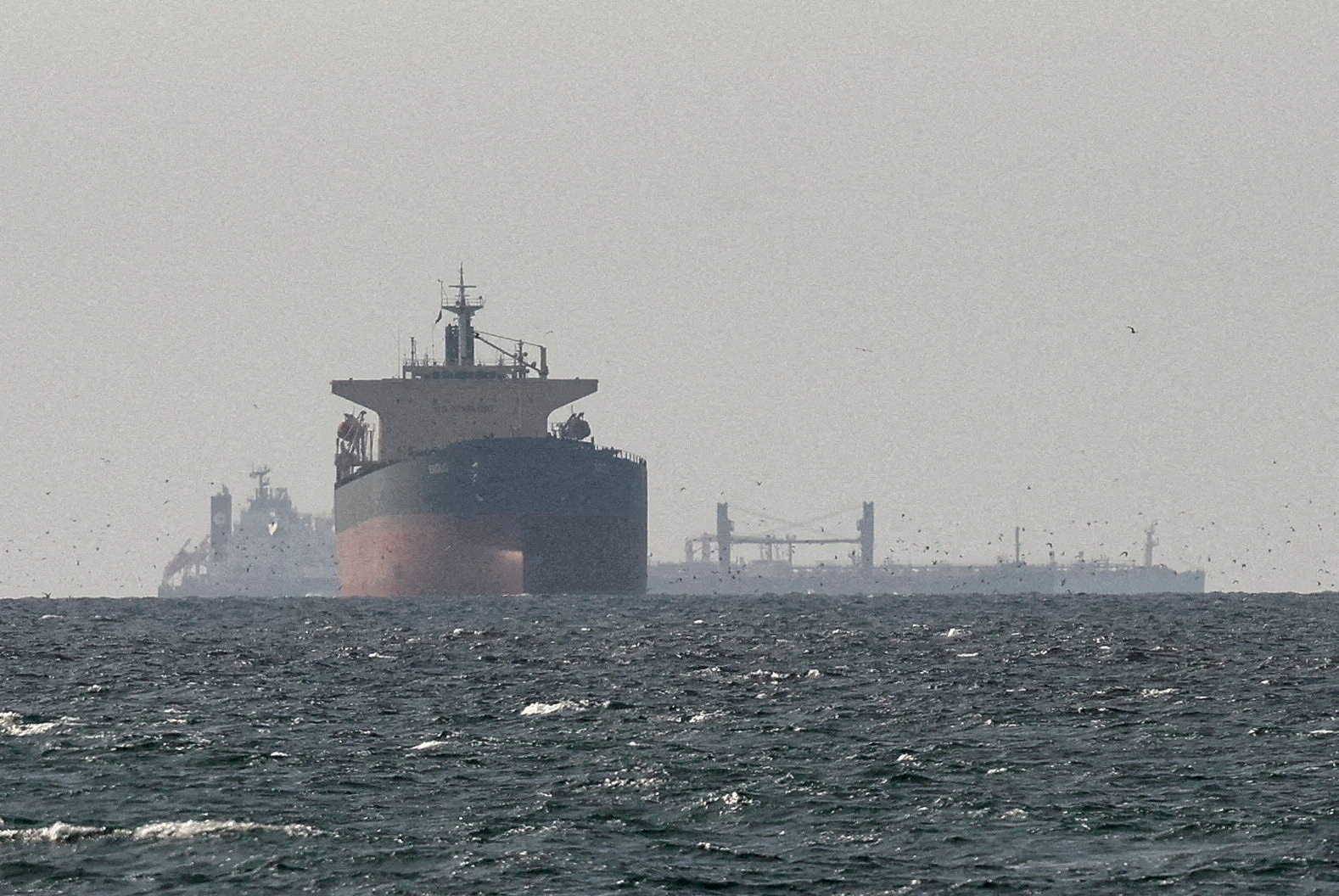
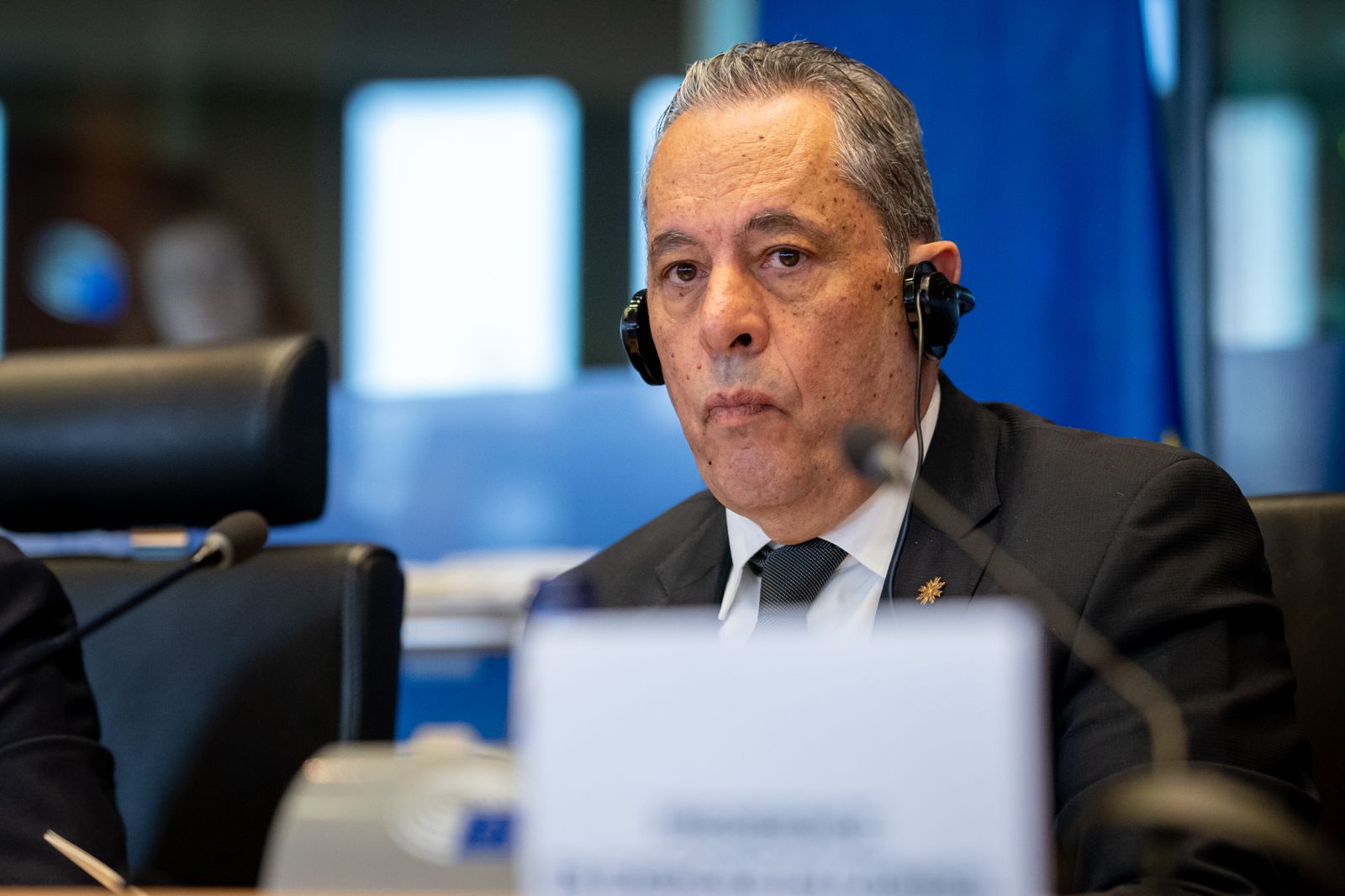
The erosion of international rules now poses a bigger threat to shipping than decarbonisation itself, International Chamber of Shipping (ICS) secretary-general Thomas Kazakos said in Singapore, as industry leaders warned that geopolitical tensions are making the sector more politicised and less secure.
Speaking at the Capital Link conference during Singapore Maritime Week, Kazakos said “the real thing is the erosion of the international regulatory framework”, describing the rise of shadow fleets as “a very good example of what this problem creates”.
His warning came as executives across the event pointed to a more unstable operating environment for shipping, with conflict, power politics and pressure on major trade routes all moving back to the centre of the industry’s concerns.
At the opening panel of the conference, held against the backdrop of the US firing on and storming an Iranian container ship, Gaby Bornheim, president of the German Shipowners’ Association, said the industry was living through “a nightmare of geopolitical crisis”.
“It’s about who has the power, and it’s a power play. And we as the shipping industry, we are just in between and see all the geopolitical situations,” she said, pointing to the Strait of Hormuz, the Red Sea and the Black Sea as continuing flashpoints.
Bornheim added that “it is difficult for shipping,” as the business becomes more politicised and is forced to adapt to a more uncertain environment.
Kazakos said the industry’s response must be to keep pushing for a stable international regulatory framework, freedom of navigation and conditions that allow investors to continue backing shipping with confidence.
That sense of pressure was also reflected in remarks by Sebastian von Hardenberg, president of InterManager, who said the industry now had to reckon with the fact that world leaders had started to deploy war and conflict as a mechanism for dispute resolution.
“Obviously, for ship management, ship owning, this poses terrible, terrible safety risks and stresses on the crew, safety risks on the vessels that are entrusted in our management. But I think we will have to factor in certain probability that this continues in the future,” he said.
He also warned that the risk extended beyond safety to the possible fragmentation of trade routes, asking, “Look at the current drama with Panama and China, can everybody still go to the Panama Canal?”
“So, I think we’ve got so used to the freedom of navigation, shipping, that we now have to keep a keen eye on these realities and have the experts inhouse are available to us to help us guide our shipowners,” he concluded.



Click here to change your cookie preferences