
The Christodoulides government has made a habit of pulling the plug on several public projects, regardless of the cost to the taxpayer. The most high profile termination was the Vassiliko LNG import project, which was stopped almost two years ago because the Chinese consortium fell out with the natural gas infrastacture company – Etyfa – over a host of disagreements. The dispute is currently in an arbitration court with the Chinese seeking compensation of some $200 million, over what it had already been paid.
At the time the contract was cancelled, it seemed like a very sensible idea, as the Chinese consortium was constantly asking for extensions for the completion of work, which should have been finished long before the contract was terminated. How much this decision will cost the taxpayer, as a new contractor will have to be found, nobody can guess, just as nobody knows when we will be able to bring LNG.
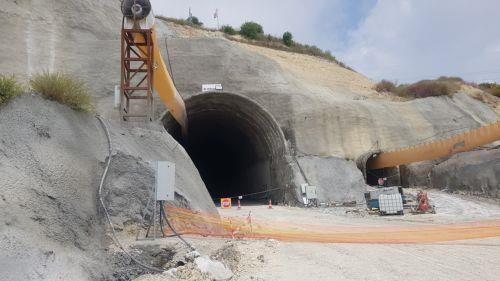
On Friday, former Disy leader Averof Neophytou explained how we will end up paying significantly more for the Paphos-Polis road, as a result of the government decision to terminate the contract with the Greek construction company. Neophytou pointed out that the contract was terminated because the contractor had demanded an additional €25m and five more years to complete the project. The original value of the contract was €73m, with the additional cost bringing the total to €98m. The government, meanwhile, invited tenders for the project, the lowest bid amounting to €125m. If we add the €16m already paid to the old contractor, the total cost of the road to the taxpayer would come to €141m.
That total cost would be 40 per cent higher than the original contract, including the additional payment demanded. And it will require much longer for the road to be ready – the tender procedure might also be challenged, delaying things further. No thought appears to have been given to the cost of breaking contracts. At the time when the government took its decision, President Nikos Christodoulides defended it by saying “we dared to terminate projects that have problems” because “we want to prevent, at the end of the day, the Cypriot people being fleeced.”
The irony is that thanks to the president’s tough stance, the Cypriot people will now pick up a bill 40 per cent higher than the original cost because the government dared to terminate the contract. While nobody likes being held to ransom by a contractor, the government needs to add up the numbers before taking a termination decision. It should also consider that civil servants that estimate project costings, mostly get it wrong. In the case of the new Paphos-Polis road tenders, the estimated cost by the Public Works department was €90m but the lowest bid was €125m.
The bid that won the first procedure, plus the additional amount demanded, would have saved the taxpayer €25m.



Click here to change your cookie preferences