
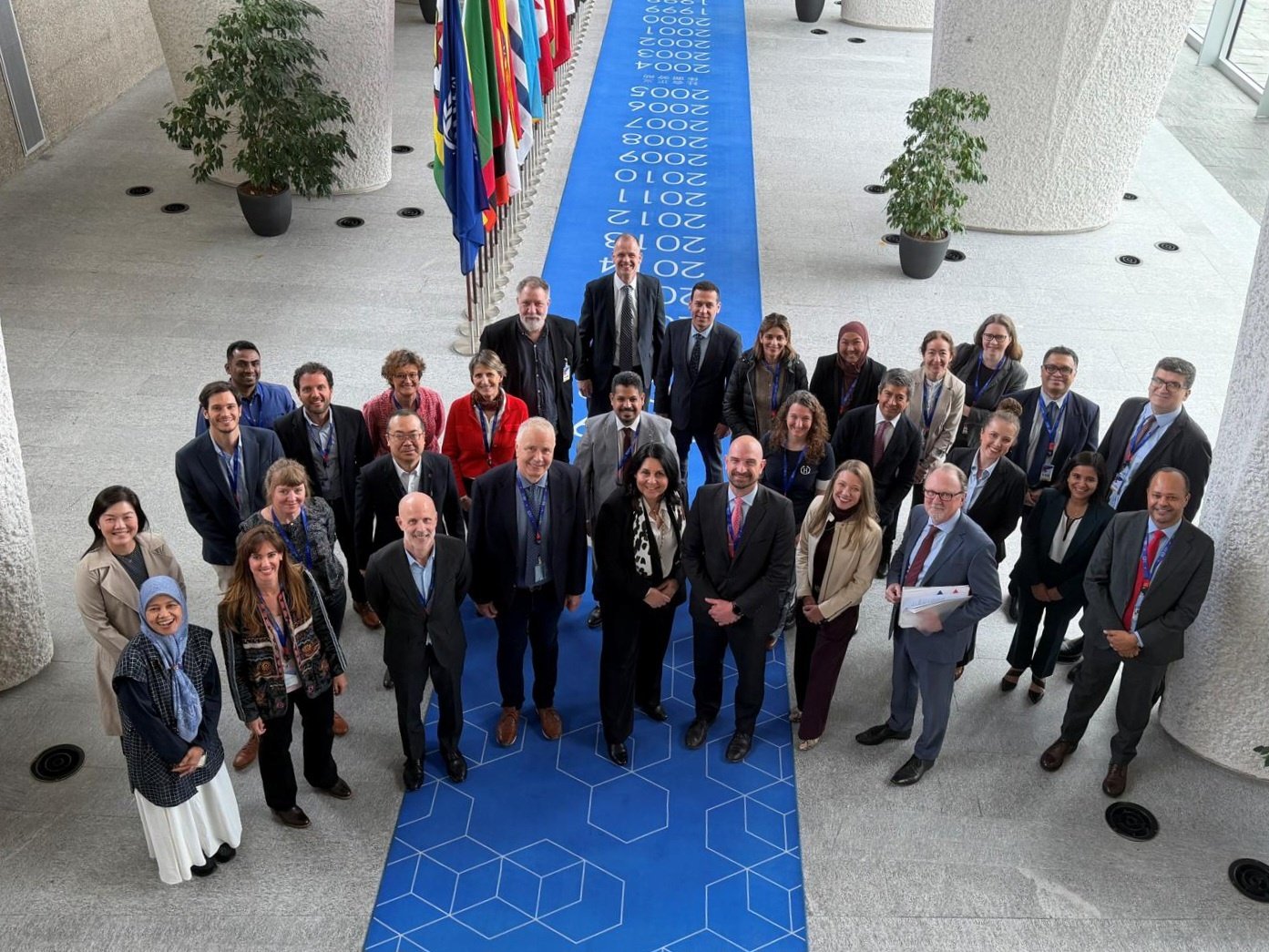
The Cyprus Employers and Industrialists Federation (Oev) on Wednesday announced its participation in a high-level International Labour Organisation (ILO) technical committee on artificial intelligence in manufacturing.
This was accompanied by a separate statement on a meeting with Limassol mayor Yiannis Armeftis which aimed to strengthen local cooperation.
The federation confirmed that it took part in the ILO technical meeting held in Geneva between April 13 and April 17, 2026, focusing on the challenges and opportunities of artificial intelligence in the manufacturing sector.
The organisation was represented by business development department officer Markos Kallis, who joined a small delegation from the employers’ side in the tripartite discussions.
The committee examined how artificial intelligence affects productivity, employment, skills, working conditions and the transition of industry, placing emphasis on the evolving nature of work.
Through its participation, Oev conveyed the positions of Cypriot businesses in the international dialogue on the future of work, particularly in the context of technological transformation.
The discussions centred on practical issues for both businesses and labour markets, reflecting the growing importance of AI adoption across industries.
The final conclusions included guidance on developing coherent policies for artificial intelligence and industry, alongside measures to boost productivity and innovation.
They also addressed the need to strengthen skills development and promote lifelong learning, recognising the rapid pace of technological change.
In addition, the outcomes highlighted the importance of supporting small and medium-sized enterprises, which often face barriers to adopting advanced technologies.
Further emphasis was placed on enhancing social dialogue, ensuring that employers and workers remain actively involved in shaping the transition.
The recommendations also underlined the need to upgrade digital infrastructure and improve access to finance, enabling broader participation in technological progress.
Attention was given to protecting personal data and promoting inclusion, ensuring that AI adoption benefits all segments of society.
The federation stressed that its position supports a balanced and realistic approach to artificial intelligence, aiming to safeguard competitiveness while ensuring sustainable growth.
This approach also seeks to support the upgrading of workers’ skills and facilitate smooth adaptation to new technological conditions, mitigating potential disruptions.
Oev stated that its participation in high-level international tripartite expert committees reflects its recognition at both European and global level, reinforcing its role in policy discussions.
The broader ILO framework highlighted that manufacturing accounts for 16.5 per cent of global GDP and employs more than 489 million people, underlining the sector’s global significance.
It also pointed to the rapid growth of artificial intelligence in manufacturing, which is expected to expand more than sixfold by 2040.
The organisation stated that AI has the potential to enhance safety, reduce repetitive tasks and improve training, although such benefits depend on appropriate policies and governance.
At the same time, concerns remain regarding the impact on employment, wages, working conditions and data protection, requiring careful regulatory oversight.
What is more, the ILO conclusions stressed that skills development and lifelong learning are critical, alongside investment in digital infrastructure and inclusive policies.
They also emphasised the importance of social protection systems and labour rights, ensuring that technological progress supports decent work.
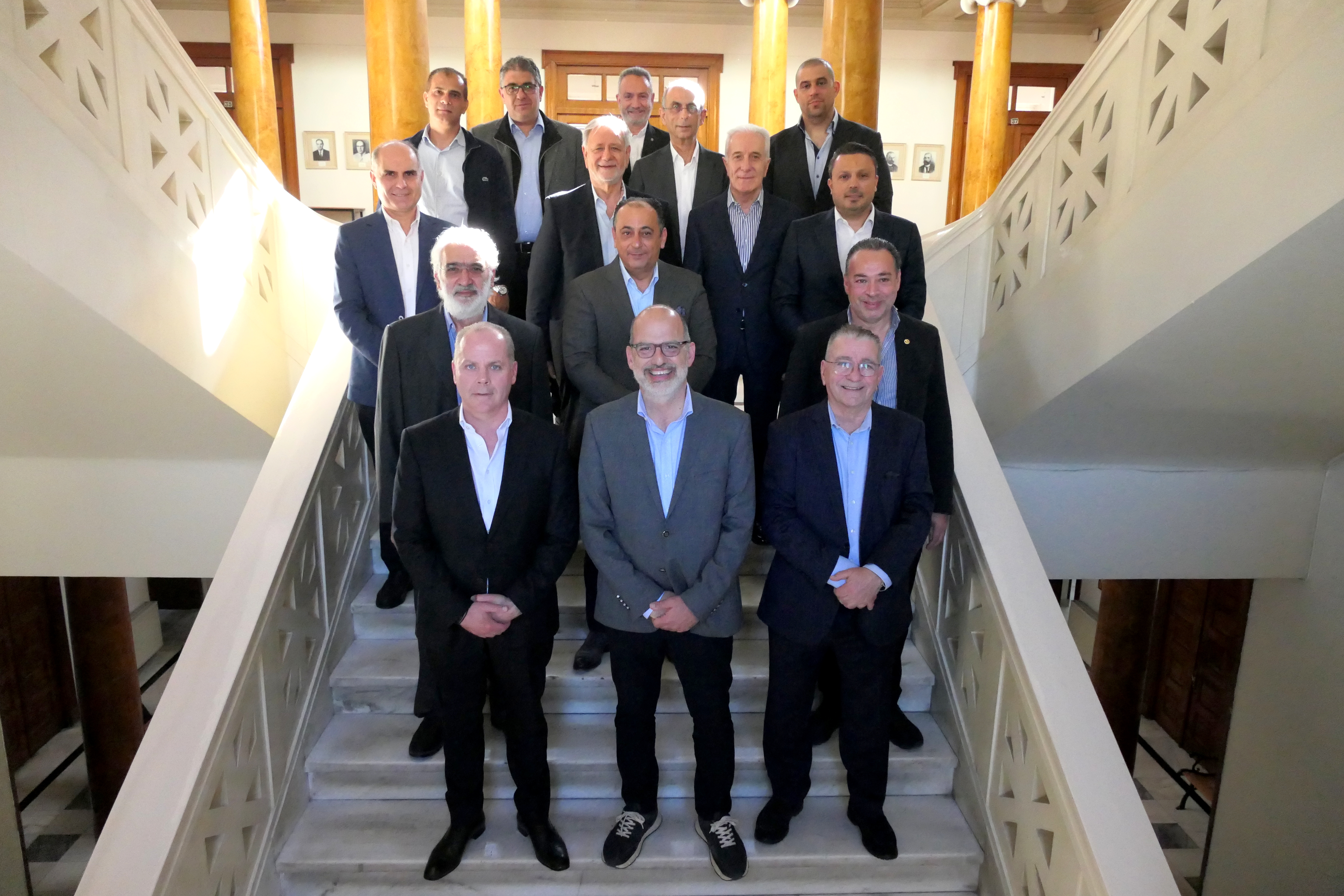
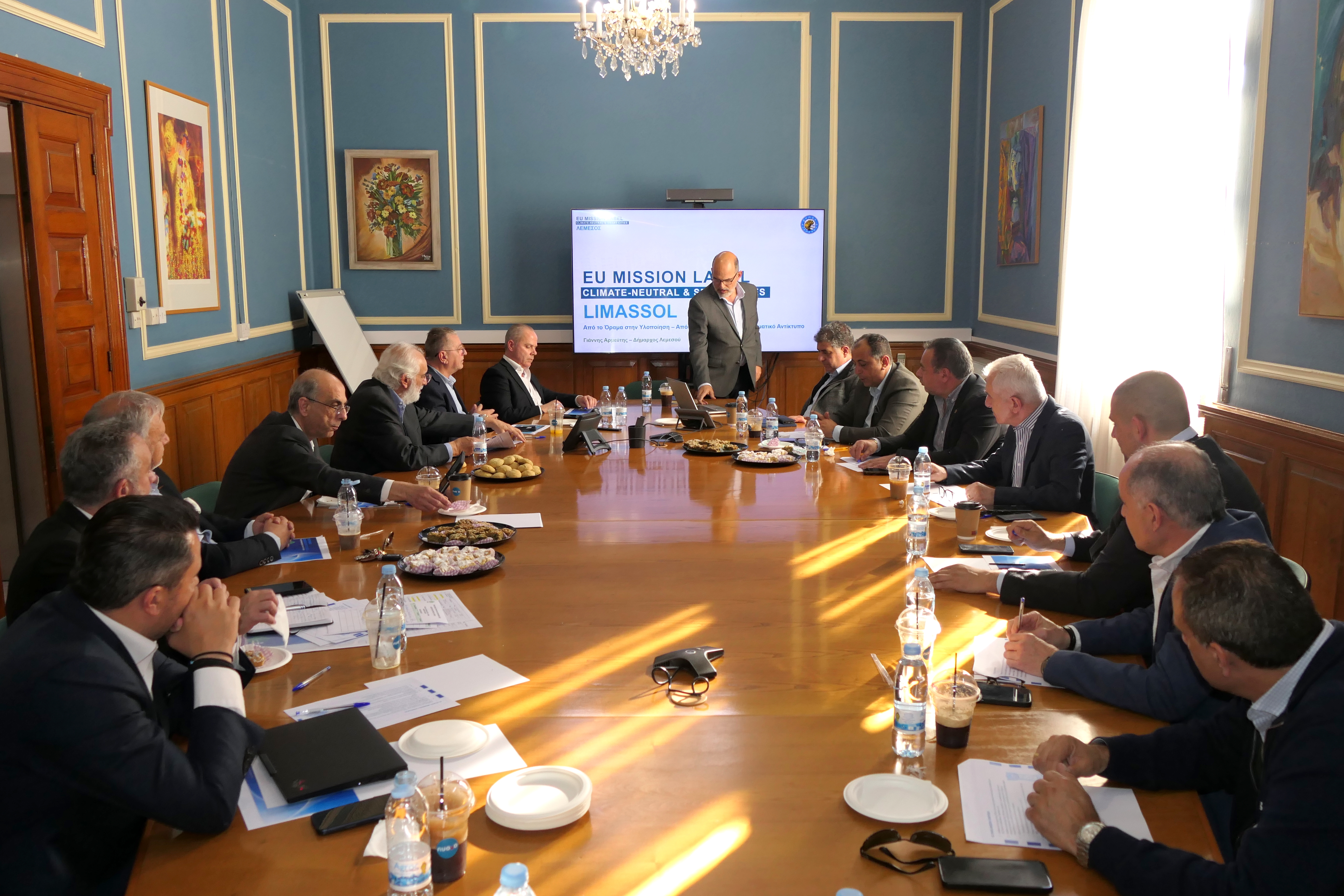
Separately, Oev announced a recent meeting between its Limassol-Paphos committee and Limassol mayor Yiannis Armeftis, aimed at strengthening cooperation between the municipality and the business community.
The meeting was chaired by committee president Christos Michaelides, with the participation of Oev president George Pantelides and director-general Michalis Antoniou.
During the meeting, the mayor presented the strategic planning of Limassol municipality for the 2025–2035 period, outlining a wide range of development interventions.
These plans aim to achieve sustainable urban development, improved quality of life and enhanced competitiveness of Limassol as a business and investment destination.
According to the announcement, the Limassol mayor described the role of private initiative and entrepreneurship as “decisive for achieving these objectives”.
He added that private sector investment constitutes a key pillar of development, highlighting its importance in delivering the municipality’s long-term strategy.
The mayor also stressed the need to strengthen synergies between the public and private sectors, alongside creating a stable and business-friendly environment.
He further mentioned that specialised committees have already been established, including a development committee and a climate change committee, to improve coordination and implementation.
Within this framework, the municipality is promoting the participation of Oev representatives in these committees, recognising the contribution of the organised business community.
From the federation’s side, both its president and the Limassol-Paphos committee president expressed appreciation for the meeting, reaffirming their willingness to engage.
They also stated that they intend to participate in these committees and contribute actively to consultation processes and policy formulation affecting business activity.
Moreover, they also emphasised the importance of institutionalised and regular communication between the municipality and Oev, viewing it as essential for effective collaboration.


Click here to change your cookie preferences