
The DataArt IT Museum, a historical initiative created by global software engineering firm DataArt, has launched a new online retrospective tracing humanity’s relationship with data across thousands of years, from early counting systems to modern artificial intelligence applications.
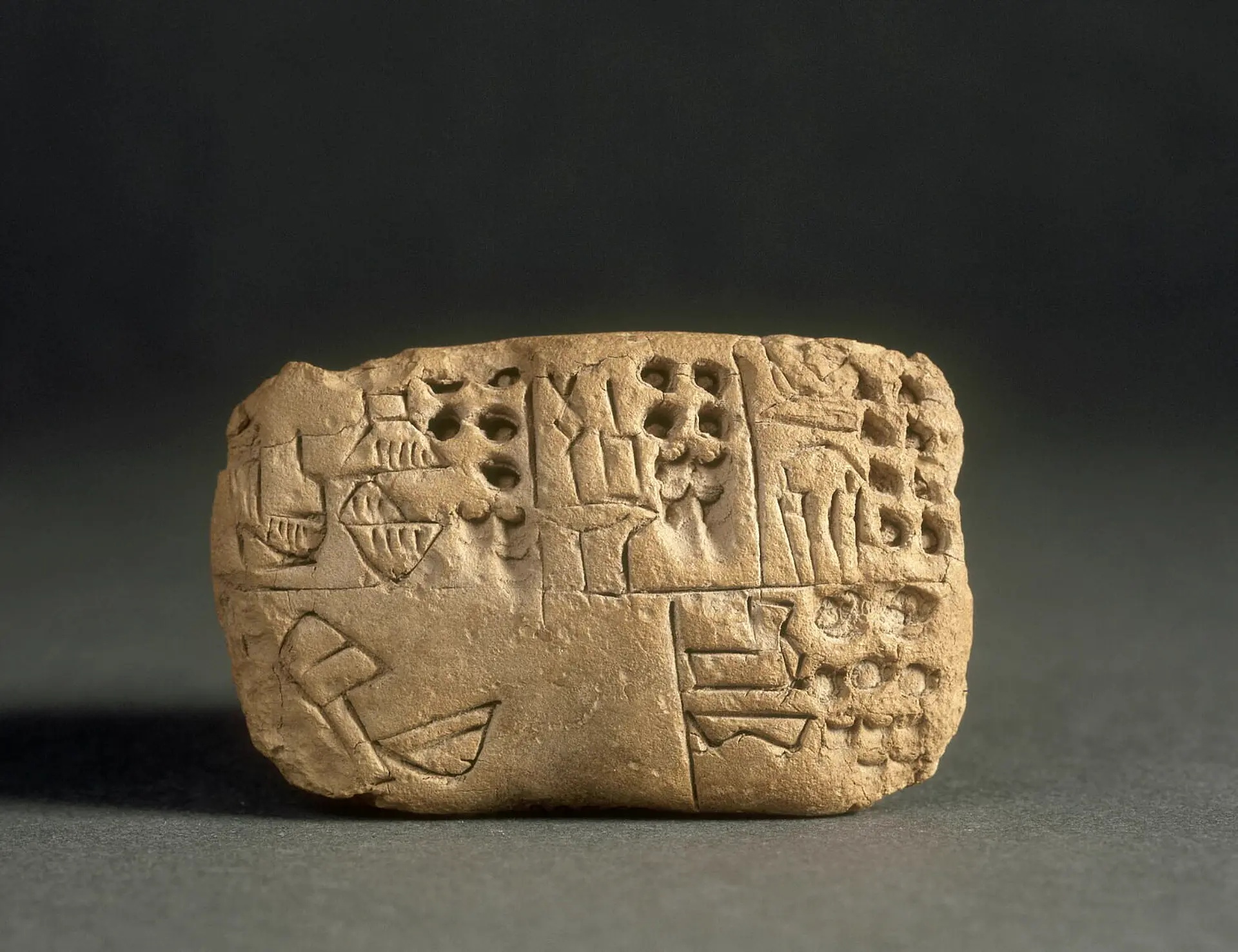
The project, titled “Recount, Sort, and Figure Out”, was recently launched through the website retrospect.dataart.com and explores the evolution of data handling from ancient counting bones and grain tallies to punch cards, spreadsheets and large language model agents.
According to the announcement, the retrospective examines how societies throughout history used records, counting systems and tracking methods to organise increasingly complex forms of information and build systems beyond the limits of individual memory and manual calculation.
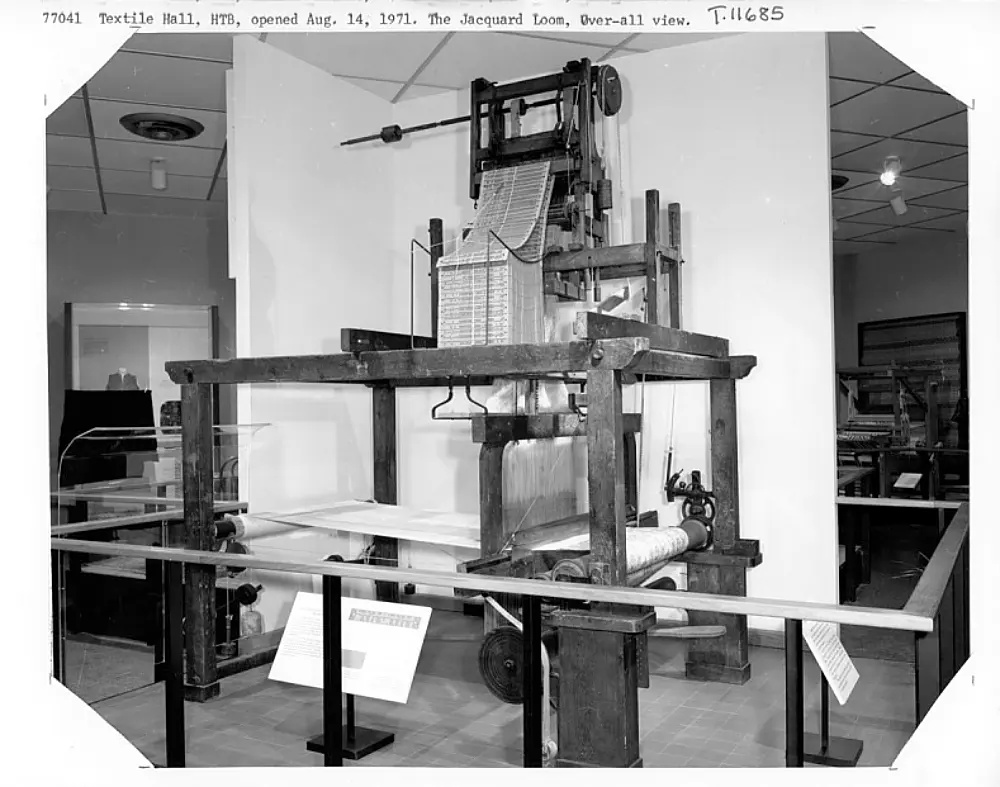
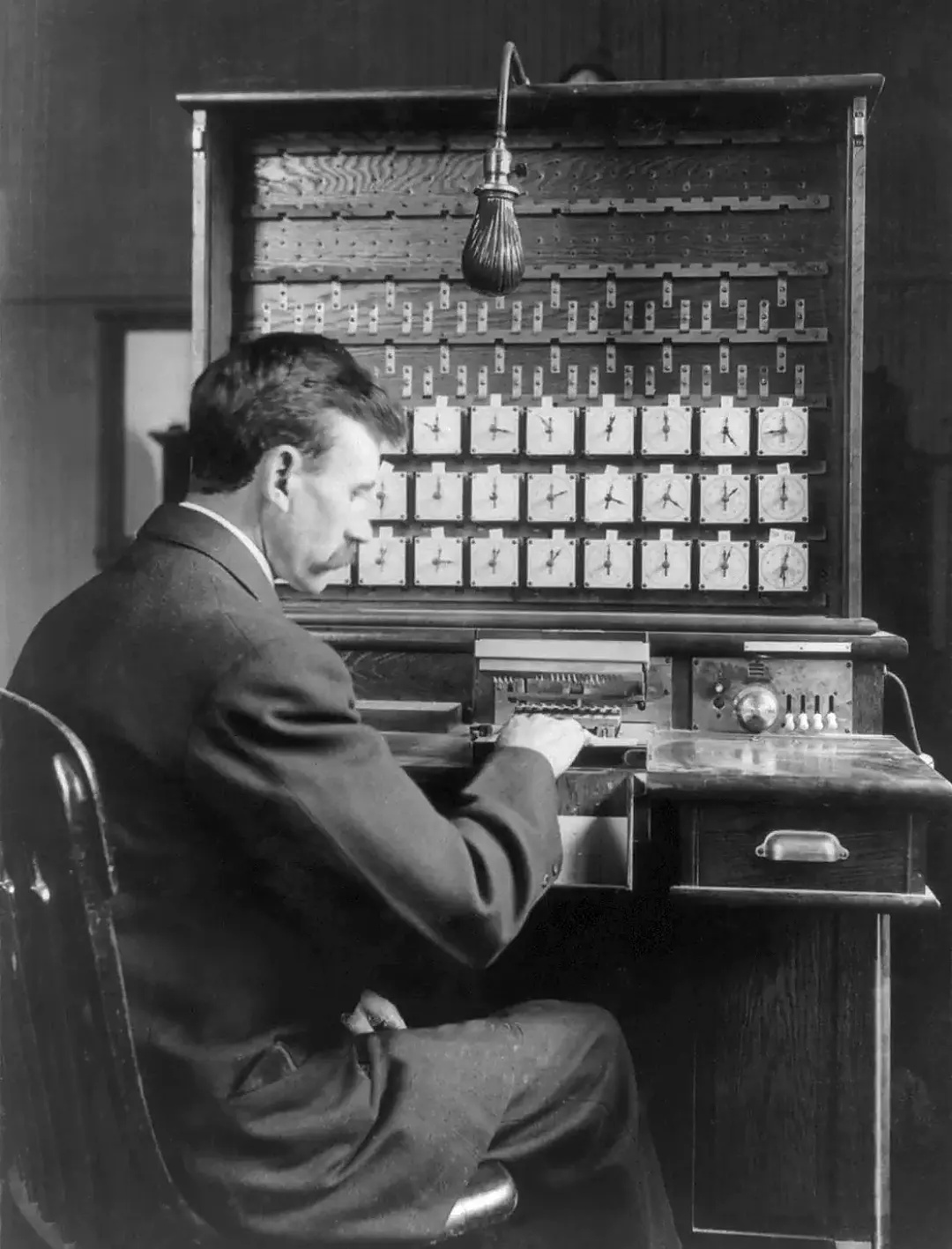
The project highlights examples including the first spreadsheets used to organise beer supplies, ancient taxpayer lists used to build empires, and cargo manifests tracking Viking trade goods, linking these early methods to contemporary digital tools such as online shopping platforms and AI systems.
DataArt IT Museum described the retrospective as an online catalogue bringing together “thousands of years of humanity’s approach to handling data”.
“This data retrospective delves into a wide range of sources, evidence, and visuals to reveal how the first counting was recorded,” the announcement stated.
The project is structured around three thematic perspectives designed to explain how data handling evolved across civilisations and technological eras.
The first perspective, processing, focuses on methods of manipulating information, including storing, sorting and comparing data.
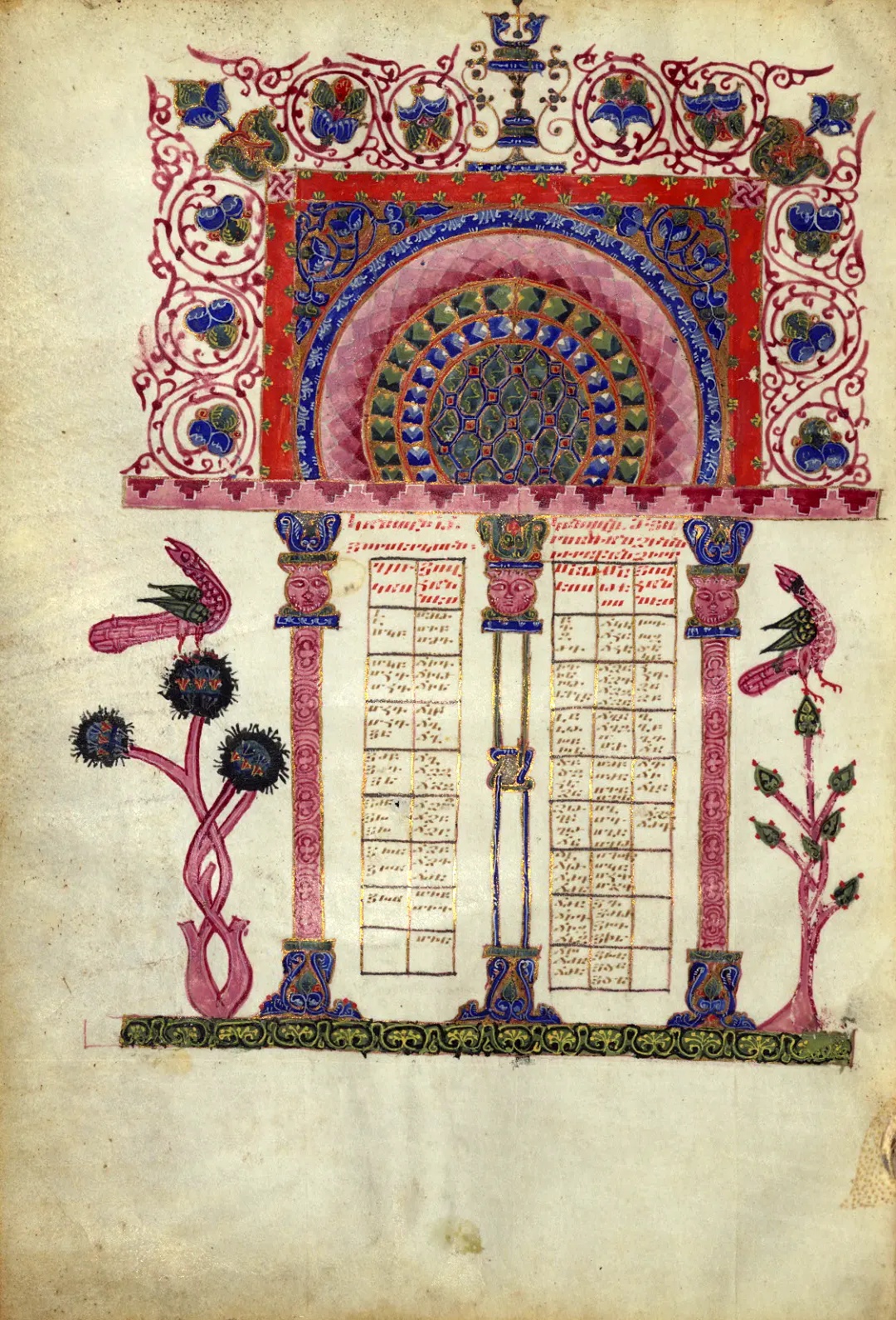
The second perspective, representation, examines the forms through which information has been expressed over time, including symbols, tables, diagrams and spreadsheets.
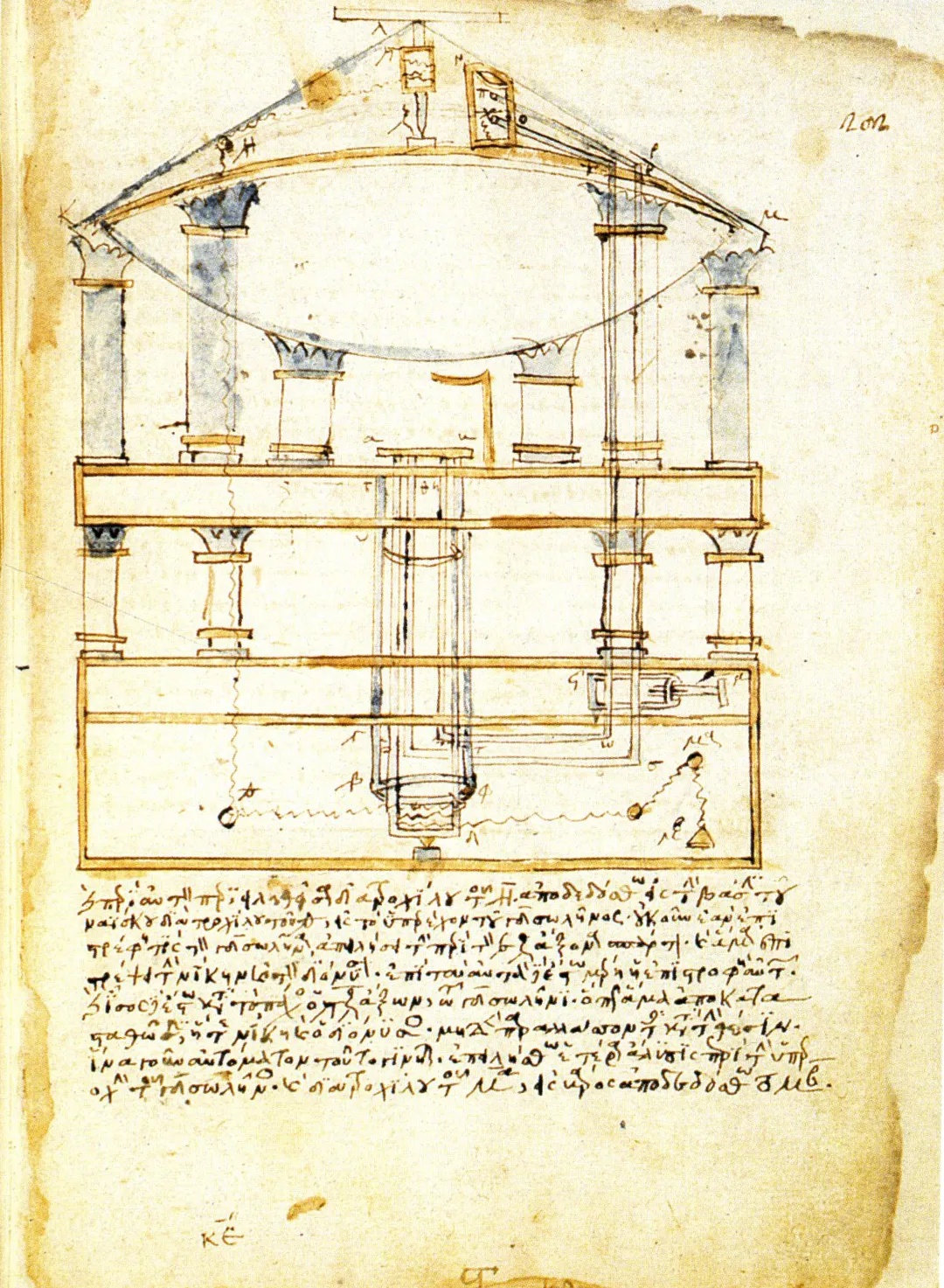
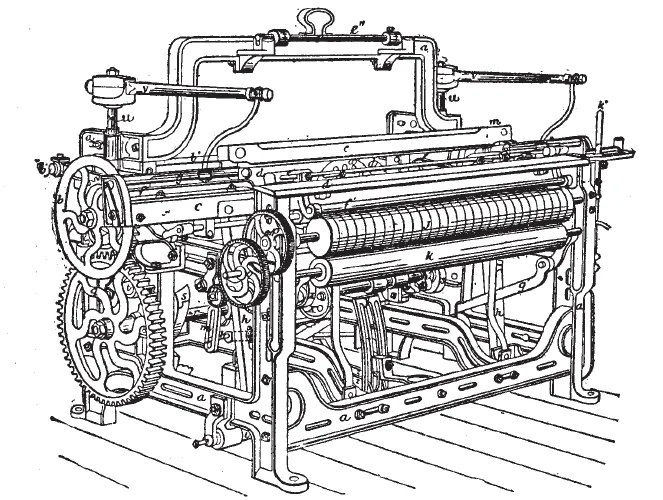
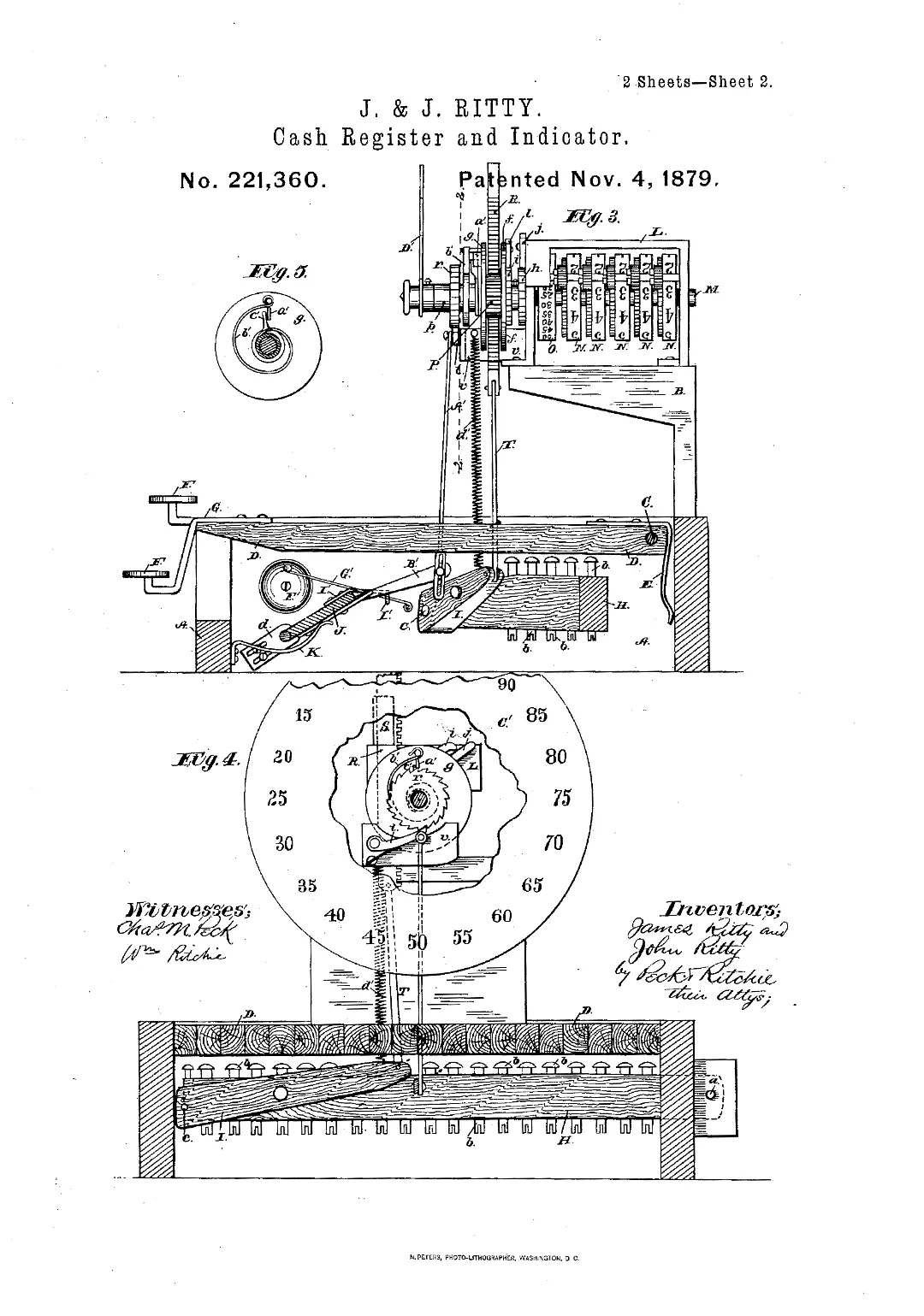
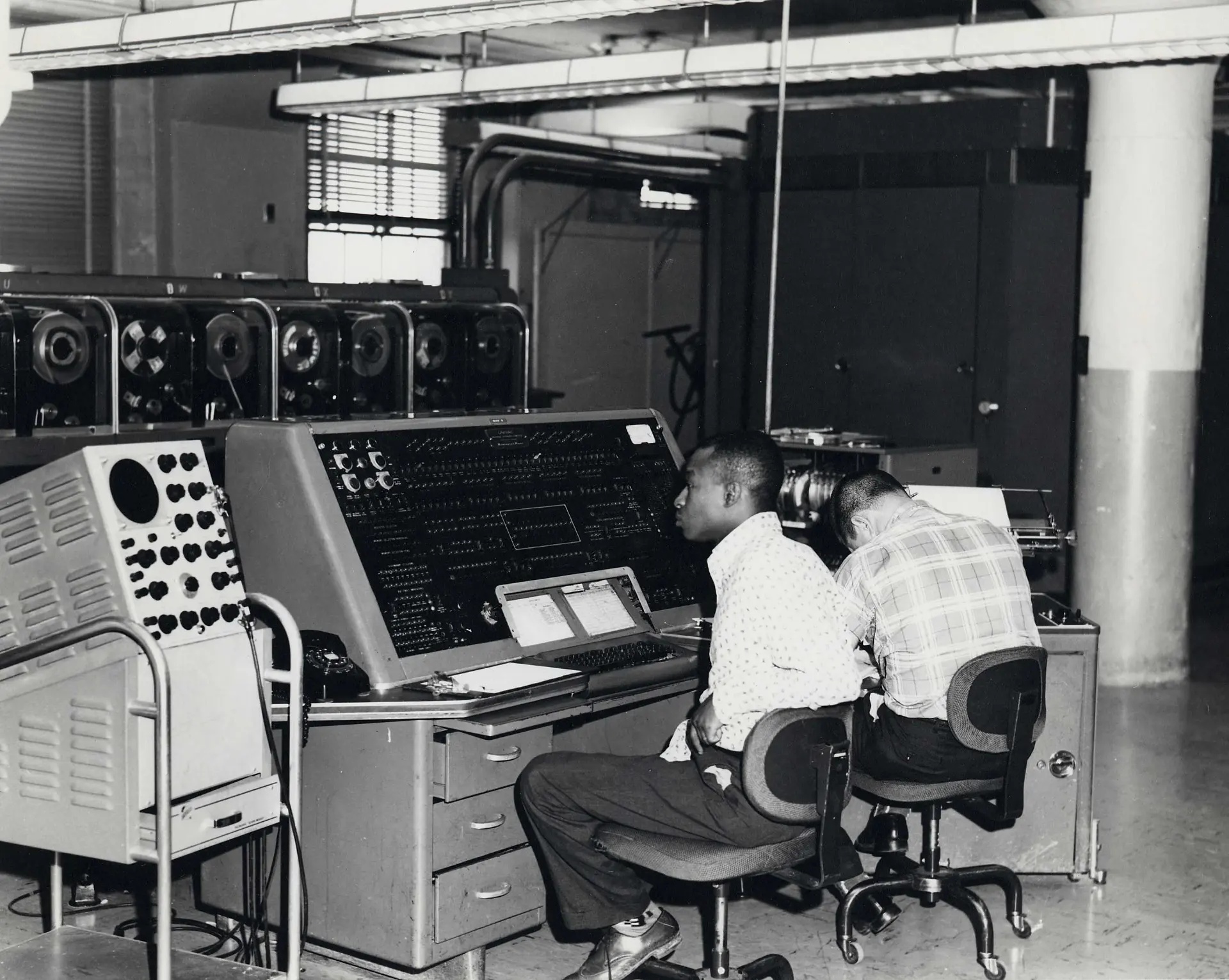
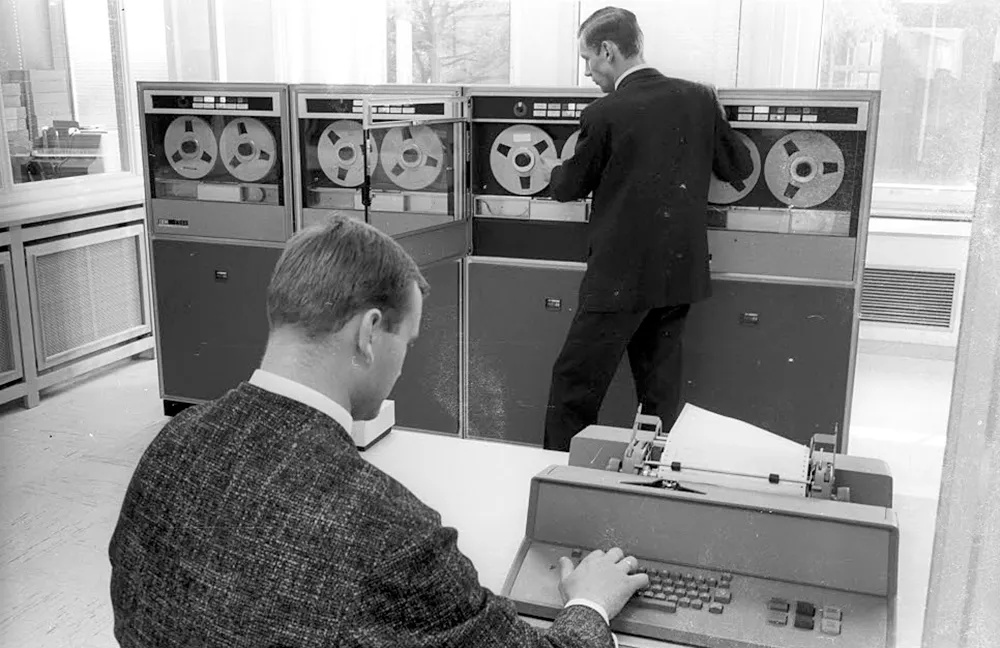
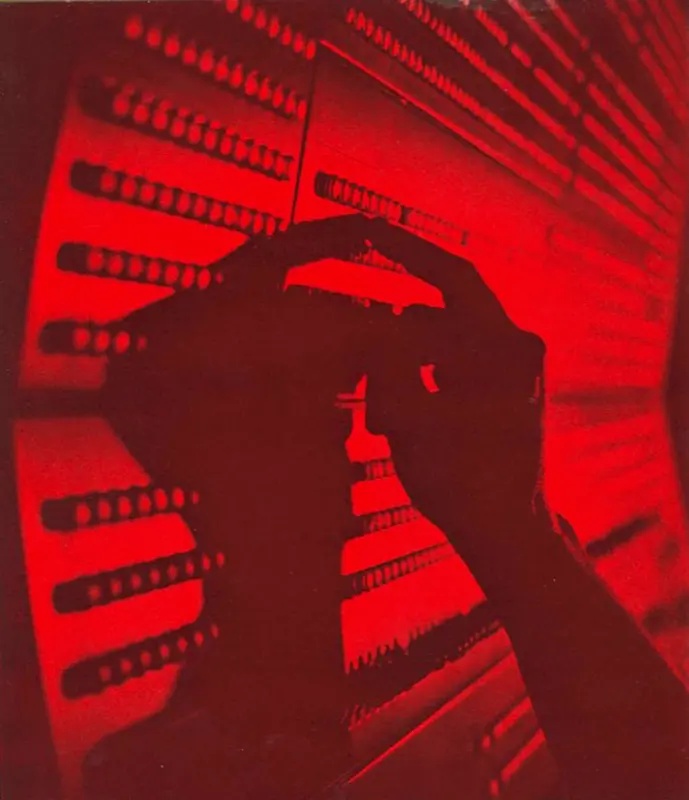
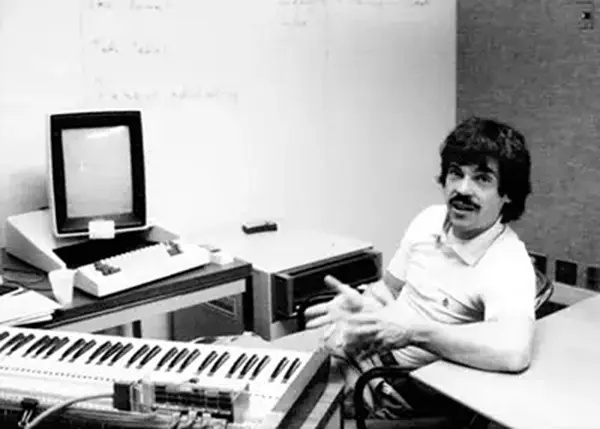
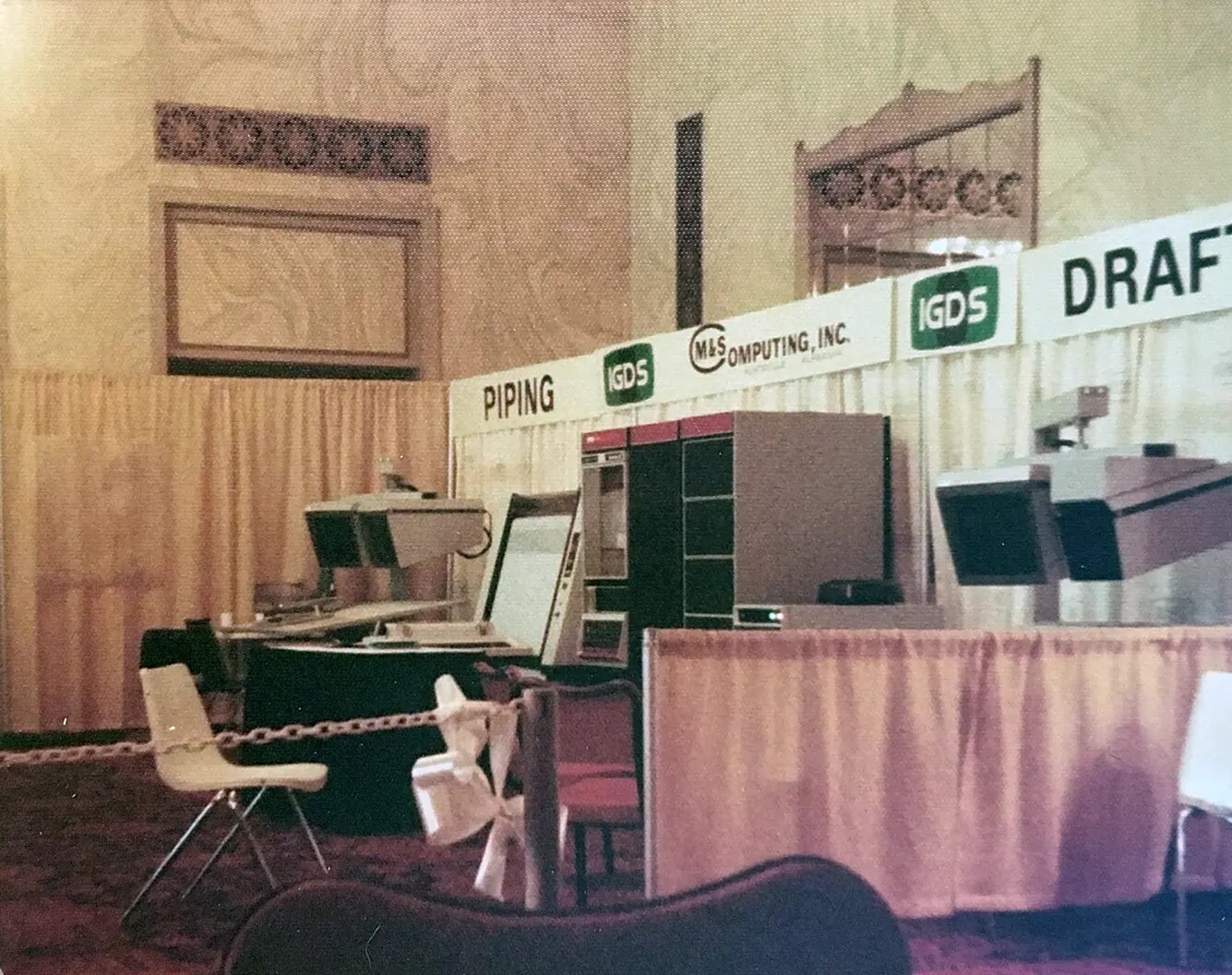
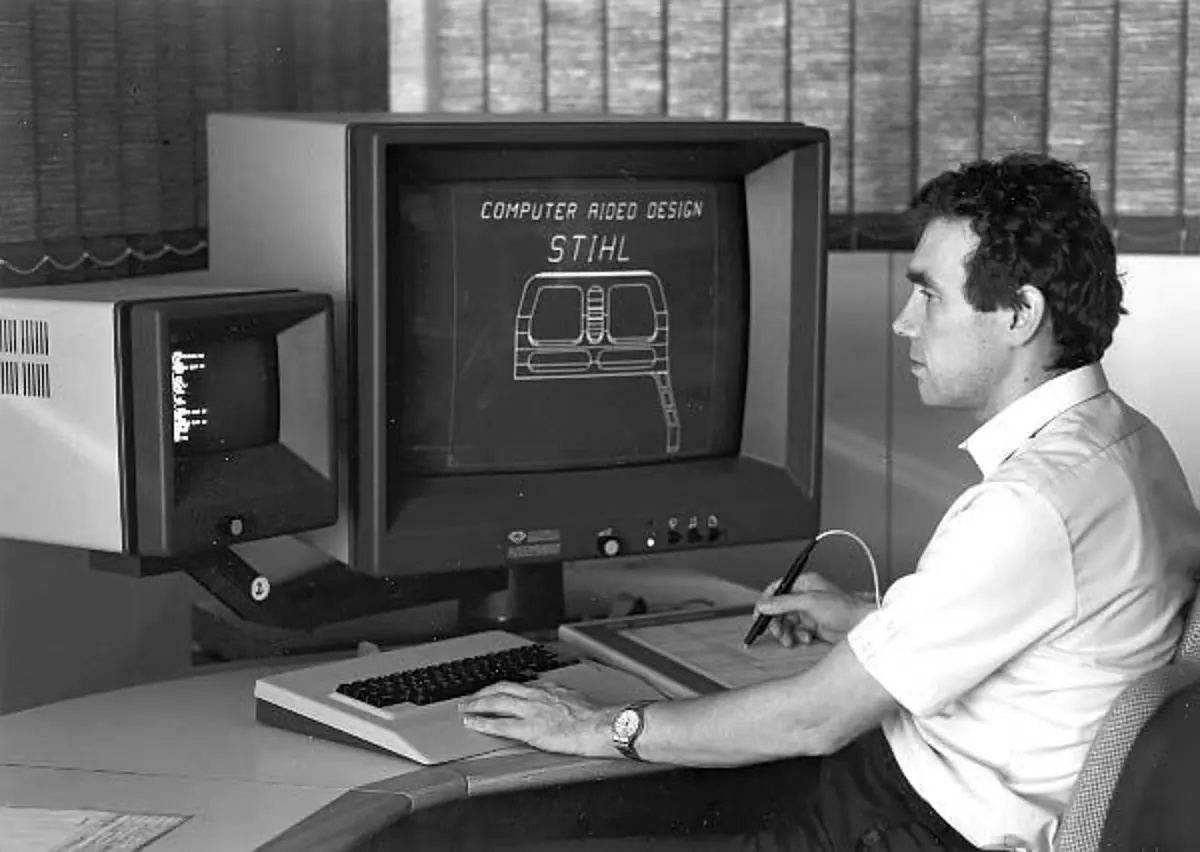
The third perspective, interfaces, explores the tools used for interacting with information, ranging from carved bones and clockwork mechanisms to mainframes and personal computers.
According to the announcement, these combined perspectives present “a multi-millennial history of how the art of data handling has powered culture, technology, and imagination”.
The retrospective will also expand through a dedicated Instagram channel operating under the handle @retrospect.dataart, while additional material and updates are expected to be added throughout the year.
The DataArt IT Museum was described as a multi-channel historical project focused on exploring and promoting IT engineering heritage in the regions where the company operates while placing these developments within a broader global context.
The initiative is aligned with the company’s “People First” corporate value and aims to celebrate the contributions and achievements of pioneering computer engineers.




Click here to change your cookie preferences