
The successes of moving from one medium to another
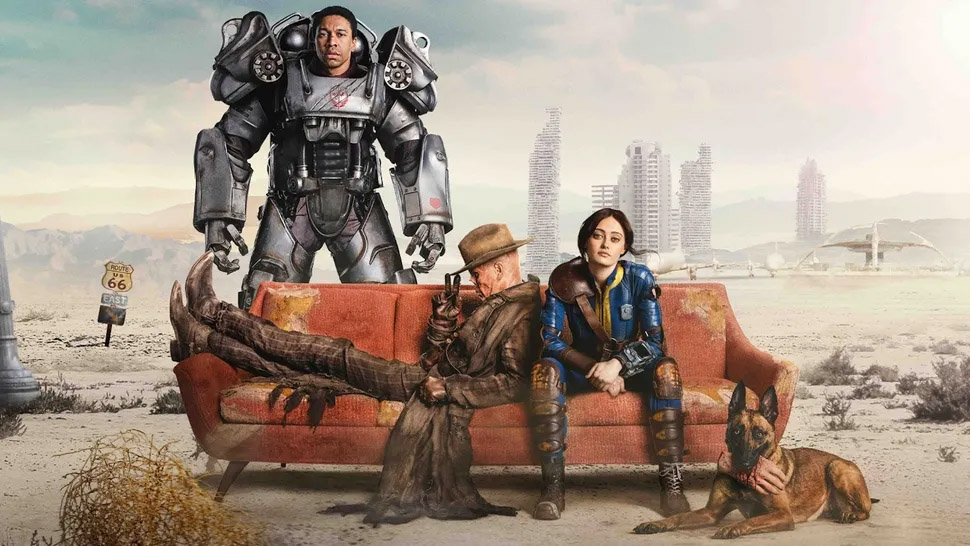
Fighting games are once more taking a crack at the big screen this season. Mortal Kombat II, starring Keith Urban, hits the box office first, followed by Street Fighter, releasing on October 16.
Reviews for Mortal Kombat are out, and they are… mixed. I have no idea why some people expected avant-garde cinema art from a movie whose premise is ‘aliens, gods, monsters and humans bash each other until there is one left,’ but here we are. The film was blasted for being one-dimensional and a formulaic slugfest needlessly packed with violence. Fans, on the other hand, absolutely loved it.
But there are some more successful videogame adaptations…
Castlevania: Nocturne
Castlevania is an old-school platformer game: you play as Simon Belmont, a vampire hunter who enters Dracula’s castle to kill him, armed with a whip and an MCU’s worth of quips. The original game was released in 1986 and was a huge success in Japan, spawning a number of sequels that eventually made it to the US and the rest of the Western world. The sequels added tons of lore, upon which the writers for Castlevania: Nocturne built to bring the animated series to life on Netflix.
This series has no right being as good as it is: rich, emotional, heartbreaking and over-the-top violent at the same time. Dracula isn’t just a one-dimensional villain: his grief is justified, his rage is vengeance for a world lost.
Castlevania is a rare mix that draws both fans and people who haven’t heard about the videogame before.
Speaking of which…
Fallout
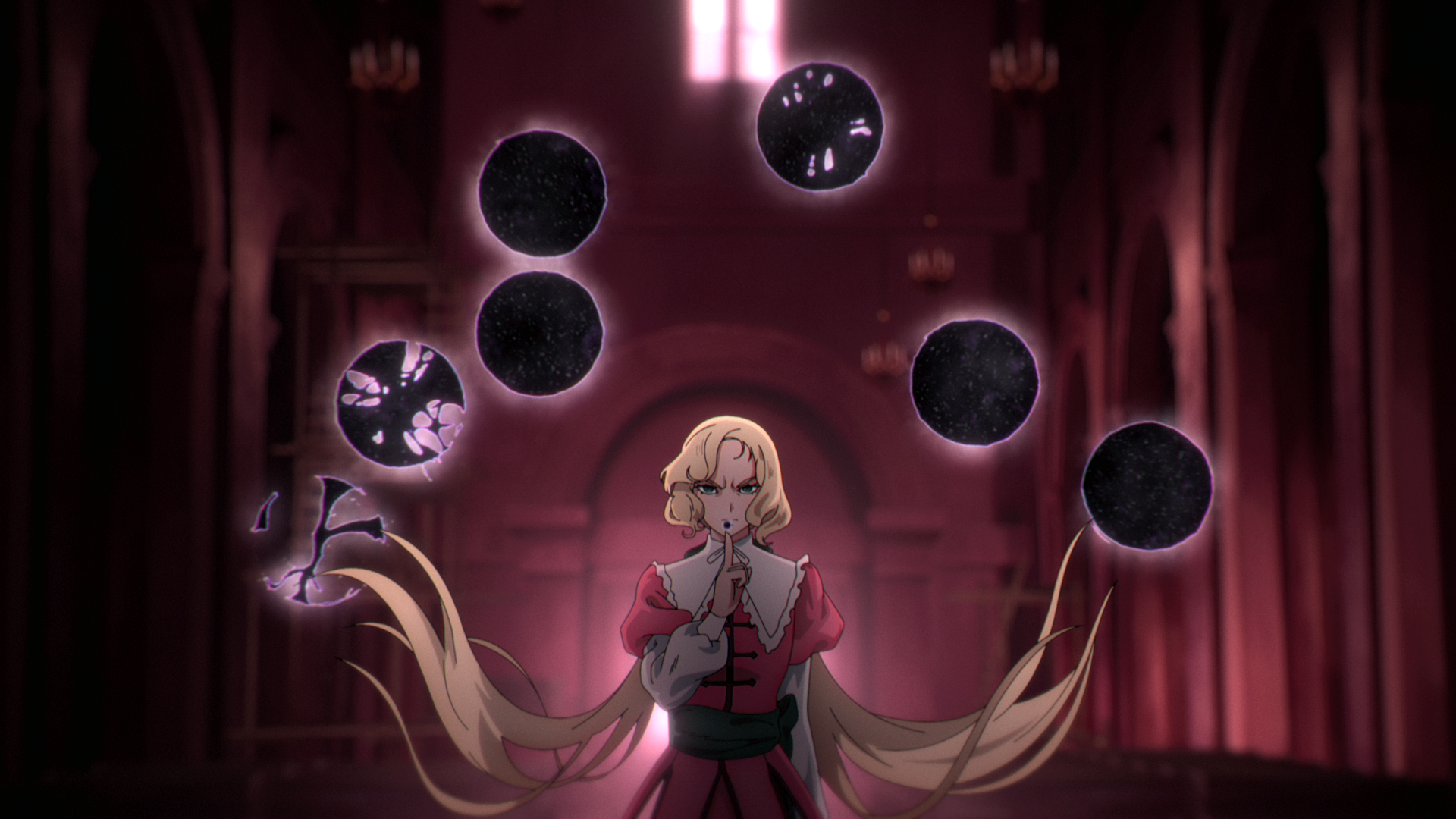
The Fallout games are huge in the gaming industry, especially Fallout: New Vegas. Pandering to a built-in fanbase would be the easy way out. The creators of Fallout, though, went a different route, opting instead to give the story a broader scope and use the existing lore as a playground where they weaved a completely new and compelling story. This made it easier for people who had no idea what the videogame was about to come into the fold, while carefully inserted easter eggs gave uber-fans something to salivate over.
Fallout tells the story of an unknown protagonist who lives in an underground vault following a mysterious global disaster. When he decides to emerge and rejoin the world, he does so in a landscape that is unrecognisable. Irradiated deserts, monsters, opposing factions, cannibals, armoured religious zealots and undead ghouls are just some of the things our protagonist has to deal with.
The series takes a similar route but delves deeper into the lore and how the nuclear destruction came to be through flashbacks. The series stars Ella Purnell as the naive, doe-eyed Lucy, who lives a sheltered life in Vault 33 and is thrust into an unforgiving outside world, while Walton Goggins plays a cynical bounty hunter who also happens to be an undead ghoul.
The Last of Us
The Last of Us came at the cut-off point of us as a society collectively enjoying the “gruff, cynical man finds emotional redemption after protecting a young person” trope, which is lucky for the series, as now anything with that premise gets blasted.
The Last of Us is a survival horror game where you play as Joel, a survivor of a global pandemic that turned people into flesh-eating lunatics. Joel, a former member of the resistance, has to escort a young girl to resistance headquarters, as she is the key to curing the pandemic and bringing the world back to normal.
The series, starring Pedro Pascal and Bella Ramsey, sticks pretty much to the core premise but does away with as many videogame elements as it can in favour of a stronger story.
Super Mario Bros / Sonic / Minecraft
I bunched all of these together because no matter anyone’s take on them, there’s no denying how successful they are.
Are you sitting down? These franchises have raked in – please note that this is just box office, I don’t count merch – over $4.5 billion.
Their secret? Make a kids’ movie that adults can actually sit through without wanting to kill themselves. Make it bright, make it colourful, throw in some star-power voice acting to lure in the parents, give somewhat of a plot – no matter how braindead it is – and enjoy the ride.
The kids love them, the parents get a couple of nostalgia shots – funnily enough reminding them of a time when they didn’t have kids – and everyone’s happy.
Especially the studios.




Click here to change your cookie preferences