

A forgotten Hong Kong martial arts film shot in Cyprus in the summer of 1990 is finding new life more than three decades later through a new documentary that is now heading to the Cannes Film Festival.
Tracking: the Cyprus Tigers, directed by Cypriot filmmaker Andreas Kyriacou and produced by Stavros Papageorgiou, has been officially selected for the Frontières Buyers Showcase at the 2026 Cannes Film Festival. The project will be presented on May 17 at the Palais des Festivals.
But the documentary is not really just about one obscure film, the original The Cyprus Tigers.
It is about memory. About growing up in Cyprus before streaming and smartphones, about the strange magic of video stores and VHS tapes, and about how a generation of young Cypriots discovered the world through cinema.
For director Andreas Kyriacou, the story could only have happened here.
“Cyprus has always been a strange and beautiful crossroads,” he says. “We are a small island, but culturally we have never been isolated.”
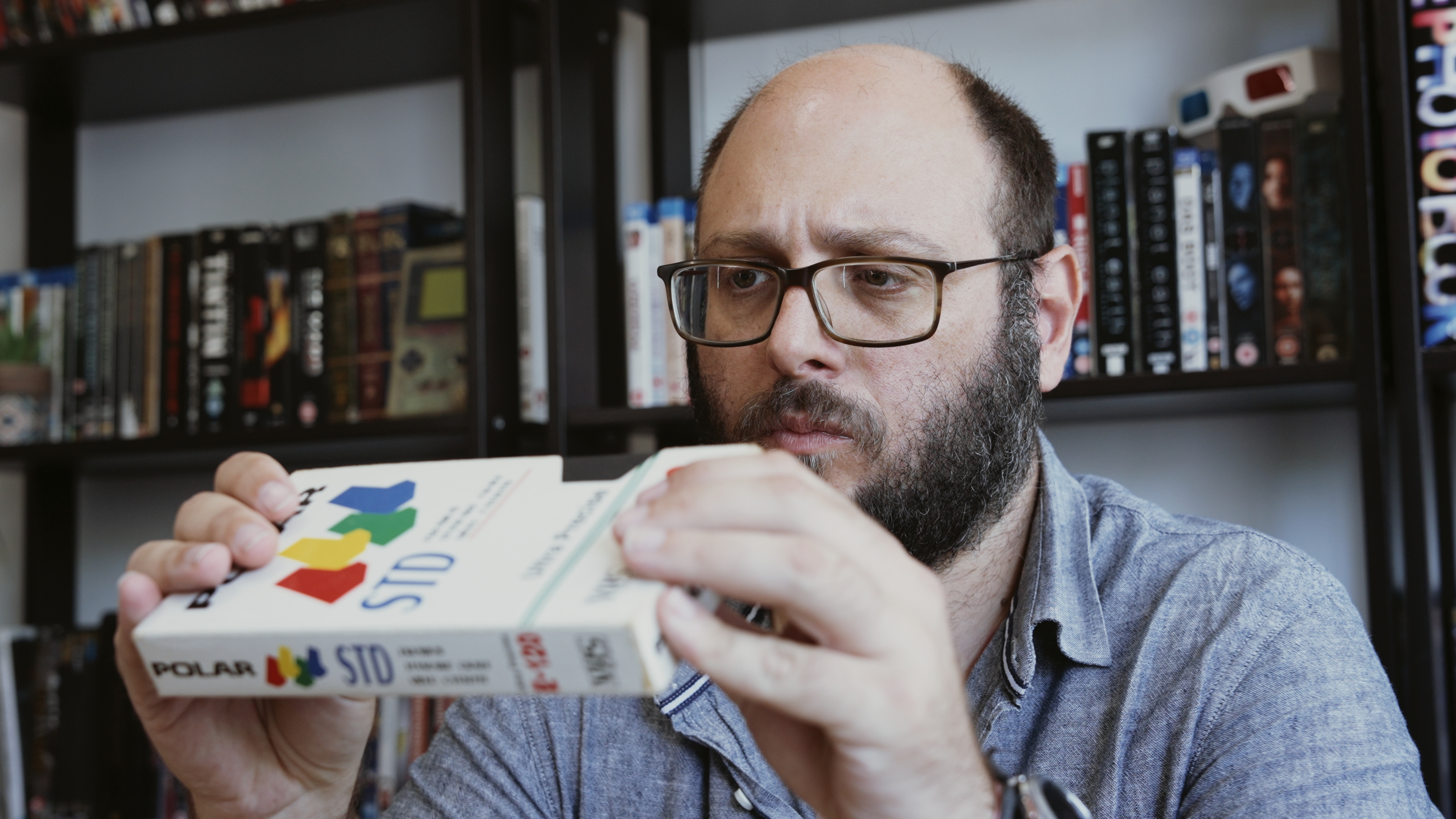
That feeling runs through the entire documentary. Tracking: the Cyprus Tigers begins with the mystery surrounding The Cyprus Tigers, a little known Hong Kong martial arts film shot in Cyprus in 1990, but slowly opens into something much bigger. It becomes a story about cultural exchange, forgotten connections and the lasting influence of Hong Kong cinema on audiences far from Asia.
For many people who grew up in Cyprus during the 1980s and 1990s, Hong Kong action films were not something distant or niche. They were part of everyday life.
“These films had a raw energy that spoke directly to young audiences,” Kyriacou says. “They were fast, physical, funny, emotional, dangerous and completely alive.”
At a time before algorithms and endless online libraries, discovering films felt personal. You walked into a video store, looked at covers, listened to recommendations and rented films almost at random.
“Film culture was slower, but in some ways more magical,” he says.
For many young Cypriots, the local video store became a window to the world.
“You could travel from Nicosia or Limassol to Hong Kong, New York, Tokyo, Rome or Los Angeles in one afternoon,” Kyriacou says. “It wasn’t just entertainment.”
The mystery around The Cyprus Tigers fascinated him for years. Some people remembered it vaguely. Others had seen poor quality bootleg VHS copies. Some knew people who had worked on the production. Over time, the film became almost mythical among local genre film fans.
“At first, it was the mystery,” he says. “It existed almost like a ghost in Cypriot pop culture.”
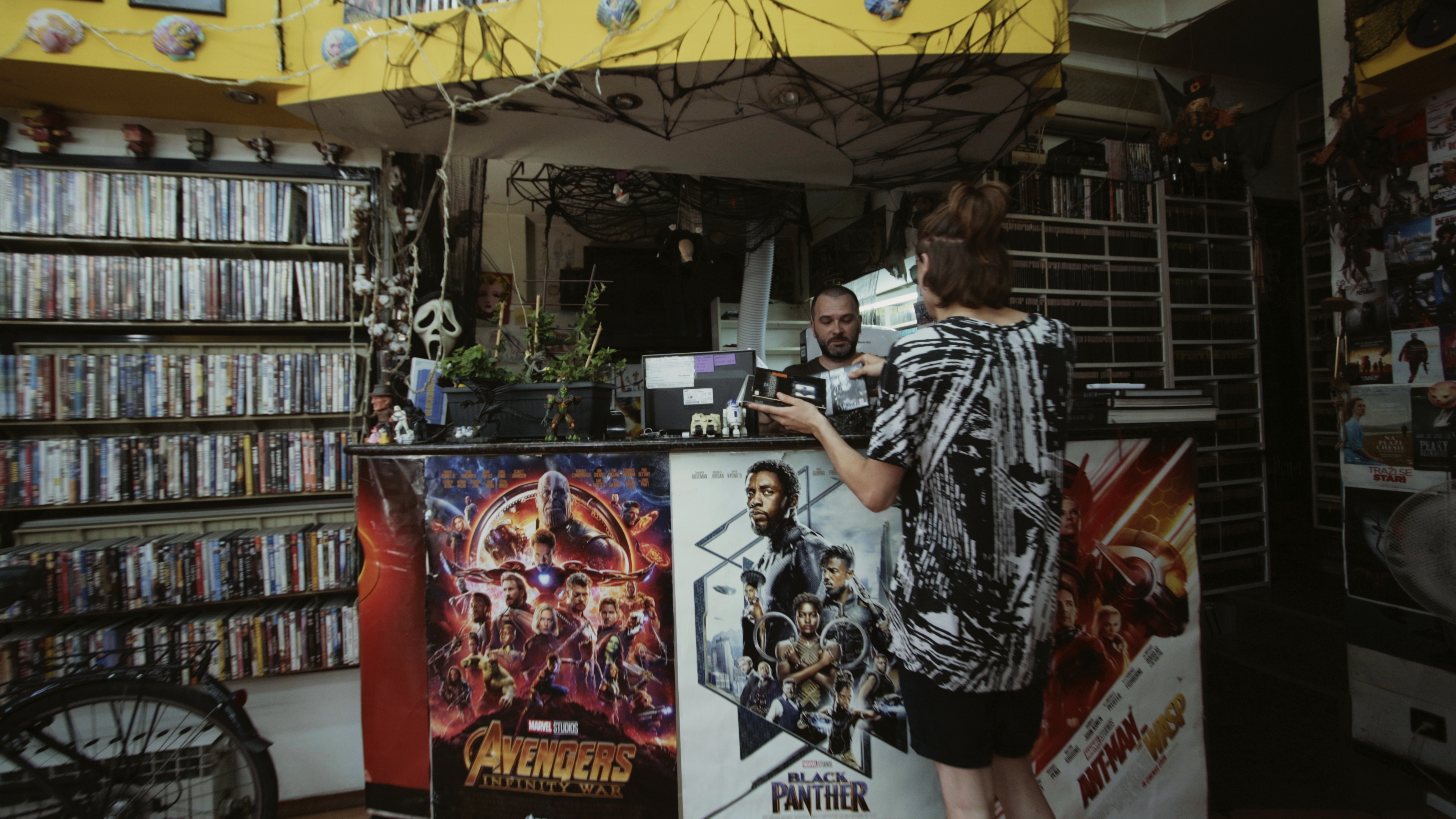
As production on the documentary continued, Kyriacou realised the story was becoming something much more emotional and personal than he expected.
“The Cyprus Tigers was only the doorway,” he says. “Behind it was a much bigger story about how cinema travelled before the internet and how young people in small places discovered the world through films.”
The journey eventually took the filmmakers beyond Cyprus to Croatia and finally to Hong Kong itself. Along the way, they uncovered surprising connections between Cyprus and other Hong Kong productions, including Jackie Chan’s Armour of God.
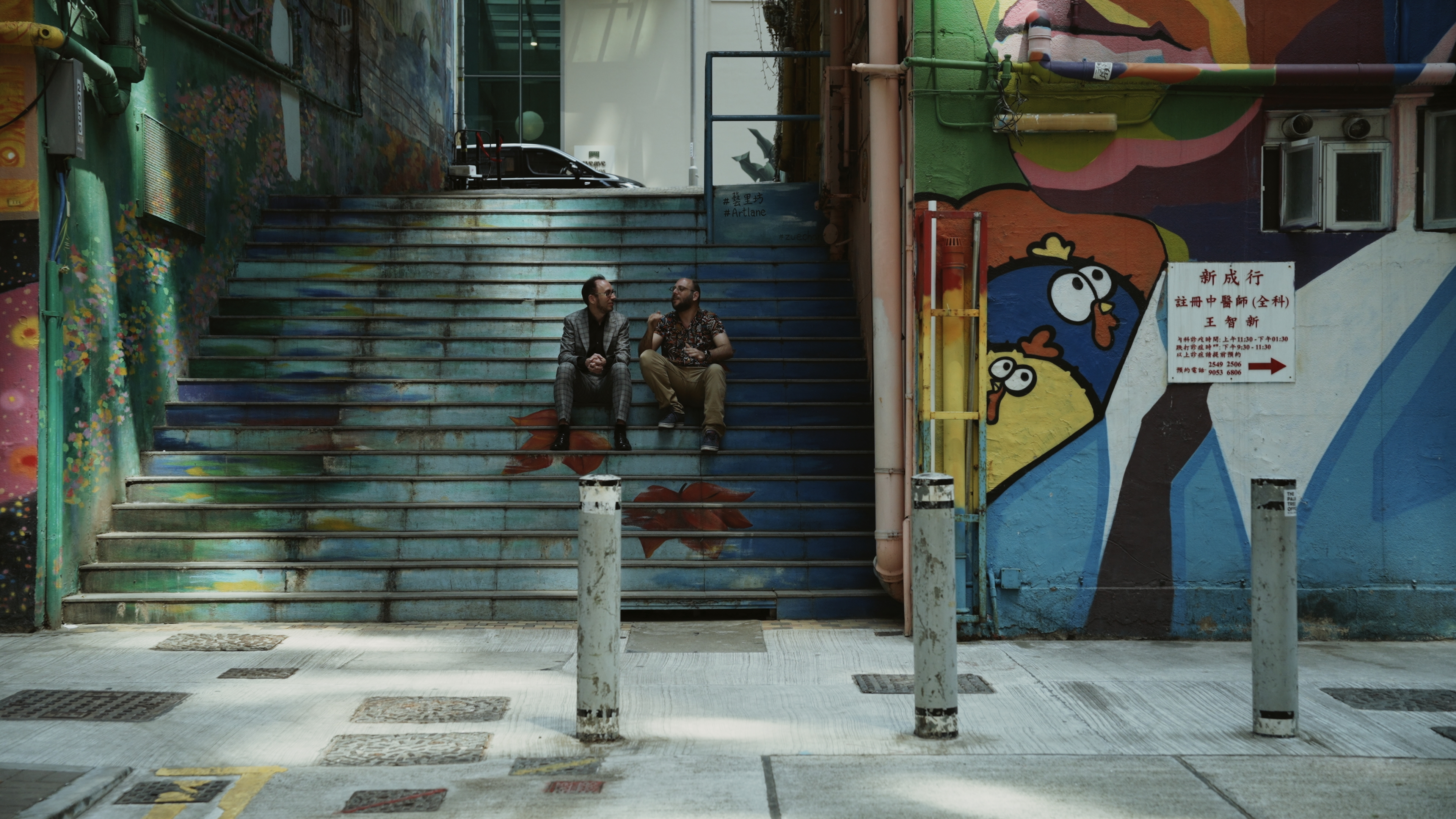
Filming concluded in Hong Kong, where the team interviewed legendary figures from the golden era of martial arts cinema, including Sammo Hung, Simon Yam and Alexander Chan.

For Kyriacou, returning the story to Hong Kong felt emotional.
“Suddenly the childhood memories of a Cypriot kid watching martial arts films on VHS were connected to the people and places where those films came from,” he says.
The documentary also became an attempt to preserve a hidden piece of Cypriot film history before it disappears.
“Cyprus has many hidden cinema stories, but they often survive only as memories, anecdotes, old photographs, or dusty VHS tapes,” Kyriacou says. “Once the people who lived them are gone, the stories disappear with them.”
Producer Papageorgiou describes the project as “a fascinating cultural bridge between Cyprus, Croatia, Hong Kong, and an entire generation raised on VHS cinema.”
Now, with the Cannes selection, the documentary is reaching a global audience.
The Frontières Buyers Showcase, organised in collaboration with the Fantasia International Film Festival, is considered one of the leading international platforms for genre cinema.
For Kyriacou, the recognition is also proof that Cypriot stories can travel far beyond the island while still remaining deeply local.
“Cyprus is not outside international film culture,” he says. “We were always part of it, even if our role was sometimes invisible.”
More than anything, Tracking: the Cyprus Tigers is a love letter to a generation shaped by video stores, late night screenings and accidental discoveries.
“Films are not just images on a screen,” Kyriacou says. “They are passports, time machines, emotional contraband.”





Click here to change your cookie preferences