
Cyprus marked the Pontic genocide with remembrance events in Paphos on Tuesday.
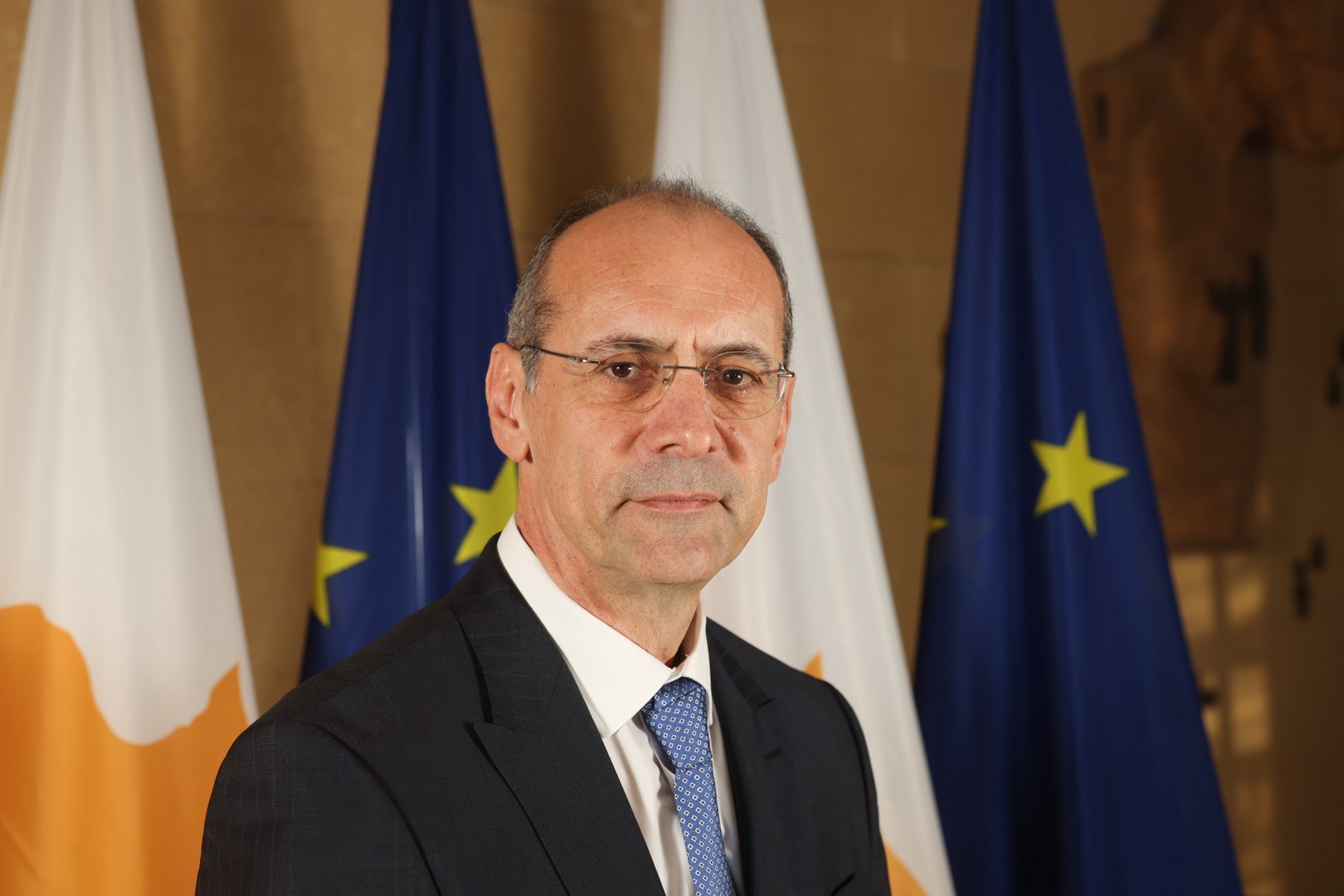
Representing President Nikos Christodoulides at an event held in Kato Paphos, Presidential Commissioner Marios Hartsiotis said the anniversary carries significance for all those who believe in justice, freedom and human dignity.
Hartsiotis said this year’s theme, Pontus Lives, reflected the survival of Pontic identity through traditions, music and collective memory passed between generations.
“Pontos lives in every child who learns history and understands that memory is not a burden. It is knowledge and responsibility,” he said.
Hartsiotis stressed the importance of commemorating the genocide in schools following the government’s decision to establish May 19 as Remembrance Day for the Pontic Genocide across all public schools.
Referring to the period between 1914 and 1923, he said Pontic Greeks faced organised persecution, forced displacement and violent expulsions under the collapsing Ottoman empire and later Mustafa Kemal’s ‘Young Turks’.
“Hundreds of thousands of people were lost,” he said, adding that many were forced to abandon their homes and communities.
He described the genocide as “a crime against innocent people” and said the demand for full international recognition continues.
Hartsiotis added that Cyprus and Greece have consistently supported recognition efforts, while more countries and institutions internationally have acknowledged the events.
Drawing parallels with Cyprus’ own history, he said the Republic understands “the pain of Pontus” through its experience of invasion, refugees, missing persons and occupation.
“When we talk about the genocide, we are not talking about a distant history,” he said.
“We are talking about a pain that carries on today.”
The Pontic Greek genocide refers to the mass killings and deportations of Greeks in the Pontus region of Anatolia between 1914 and 1923 during and after WWI.
Historians estimate that around 350,000 Pontic Greeks died through massacres, death marches and starvation.
Greece officially recognised the genocide in 1994 and commemorates it annually on May 19, while several other countries and international bodies have also recognised the events, including Sweden, the Netherlands and Armenia.





Click here to change your cookie preferences