
The European Union saw a modest monthly recovery in construction output during March 2026, according to a report from Eurostat.
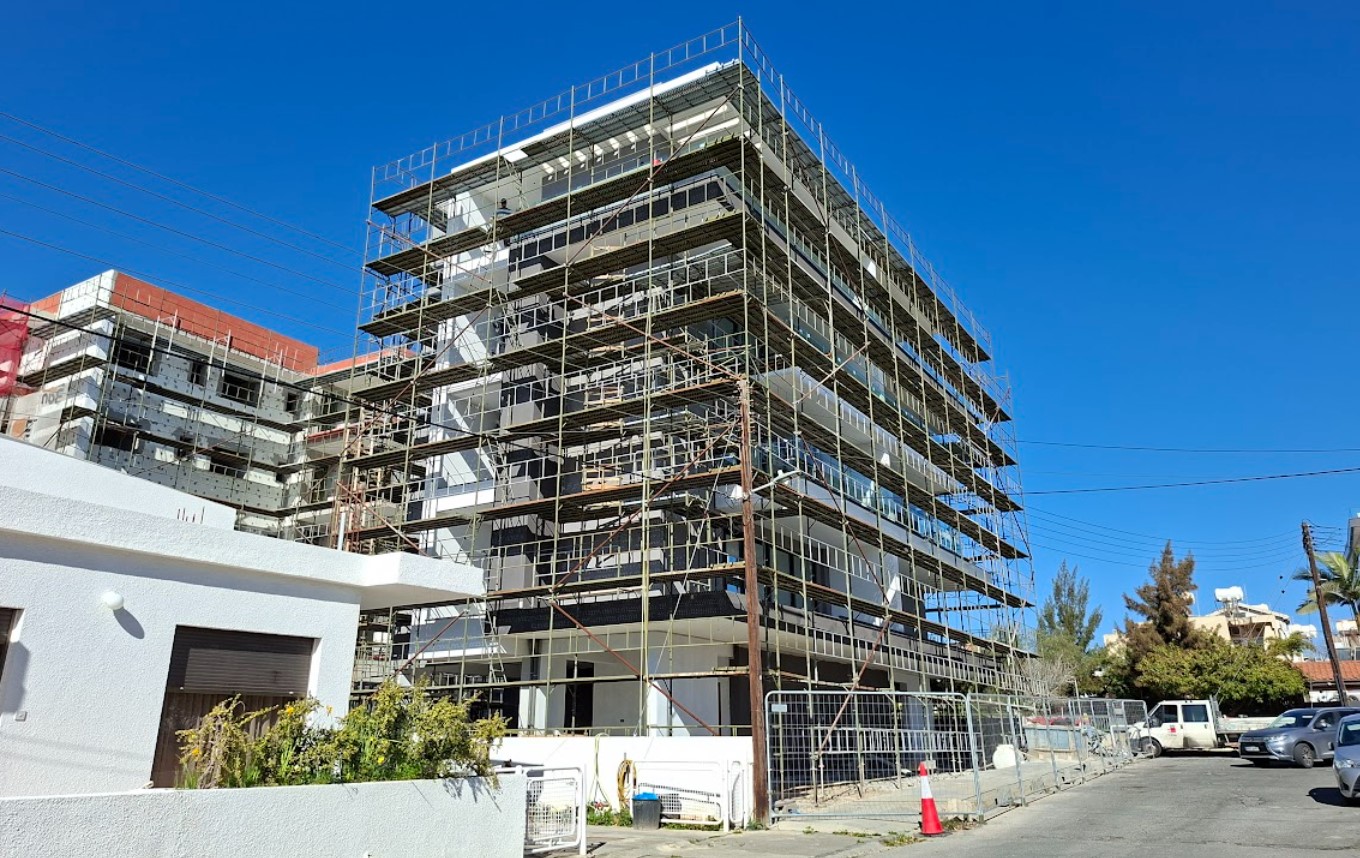
At the same time, locally-sourced data indicates that Cyprus’ building sector continues to expand despite rising material costs.
Specifically, construction production in the euro area and EU rebounded during this time, increasing by 0.8 per cent and 1.2 per cent respectively compared with February, following declines of 0.8 per cent and 0.4 per cent the previous month.
On an annual basis, however, construction activity remained weaker, with output falling by 1.2 per cent in the euro area and 0.6 per cent across the EU compared with March 2025.
The monthly increase was driven primarily by strong gains in civil engineering and building construction, with euro area output rising by 5.7 per cent in civil engineering and 1.1 per cent in buildings, alongside a smaller 0.5 per cent increase in specialised construction activities.
Across the EU, the trend was similar, with civil engineering rising by 4.8 per cent, building construction by 1.9 per cent and specialised activities by 1.0 per cent.
Among member states with available data, the strongest monthly increases were recorded in Slovakia, Sweden and Poland, while declines were seen in Romania, Italy, France and Denmark.
Despite the monthly rebound, annual comparisons highlight continued pressure in parts of the sector, with building construction output in the euro area declining by 7.1 per cent year-on-year and by 4.8 per cent in the EU.
Civil engineering provided some support, rising by 3.0 per cent in the euro area and 2.2 per cent in the EU, while specialised construction activities edged lower in both regions.
The largest annual declines were recorded in Spain, France and Austria, whereas Slovenia, Slovakia and Romania posted strong increases.
Cyprus is not included in the monthly production dataset, as it is not required to provide such data under the relevant EU regulation, meaning direct comparisons with other member states are limited.
However, national figures point to a rapidly expanding construction sector in Cyprus, supported by strong demand and a growing pipeline of projects.
According to the Cyprus Statistical Service (Cystat), construction material prices rose moderately in April 2026, with the index reaching 120.67 units based on 2021 as the reference year.
This represents a monthly increase of 0.64 per cent and an annual rise of 1.38 per cent, indicating gradual but contained cost pressures within the sector.
For the first four months of 2026, the index increased by 1.00 per cent compared with the same period of 2025.
The most notable increases were observed in electromechanical products, which rose by 2.29 per cent year-on-year, followed by metallic products at 1.81 per cent and materials such as wood, insulation, chemicals and plastics at 1.76 per cent.
Further increases were recorded in minerals at 1.59 per cent, while mineral products saw only a marginal rise of 0.06 per cent.
Cystat explained that the index reflects contractor costs, based on monthly price collection from suppliers around the middle of each month, excluding VAT and calculated as a weighted average using import and local production data.
At the same time, building activity in Cyprus has accelerated sharply, highlighting strong underlying demand.
A total of 789 building permits were authorised in January 2026, representing a year-on-year increase of 76.9 per cent.
The total value of these permits reached €445.2 million, marking a significant rise of 92.9 per cent compared with January 2025.
The total covered area increased by 82.5 per cent to 346,700 square metres, while the number of authorised dwelling units surged by 109.4 per cent to 1,755.
Taken together, the data indicate that Cyprus’ construction sector is expanding rapidly despite rising input costs, supported by strong investment and demand.
This combination of moderate cost increases and robust activity suggests continued momentum in the sector, with potential implications for property prices and broader economic trends in the months ahead.





Click here to change your cookie preferences