
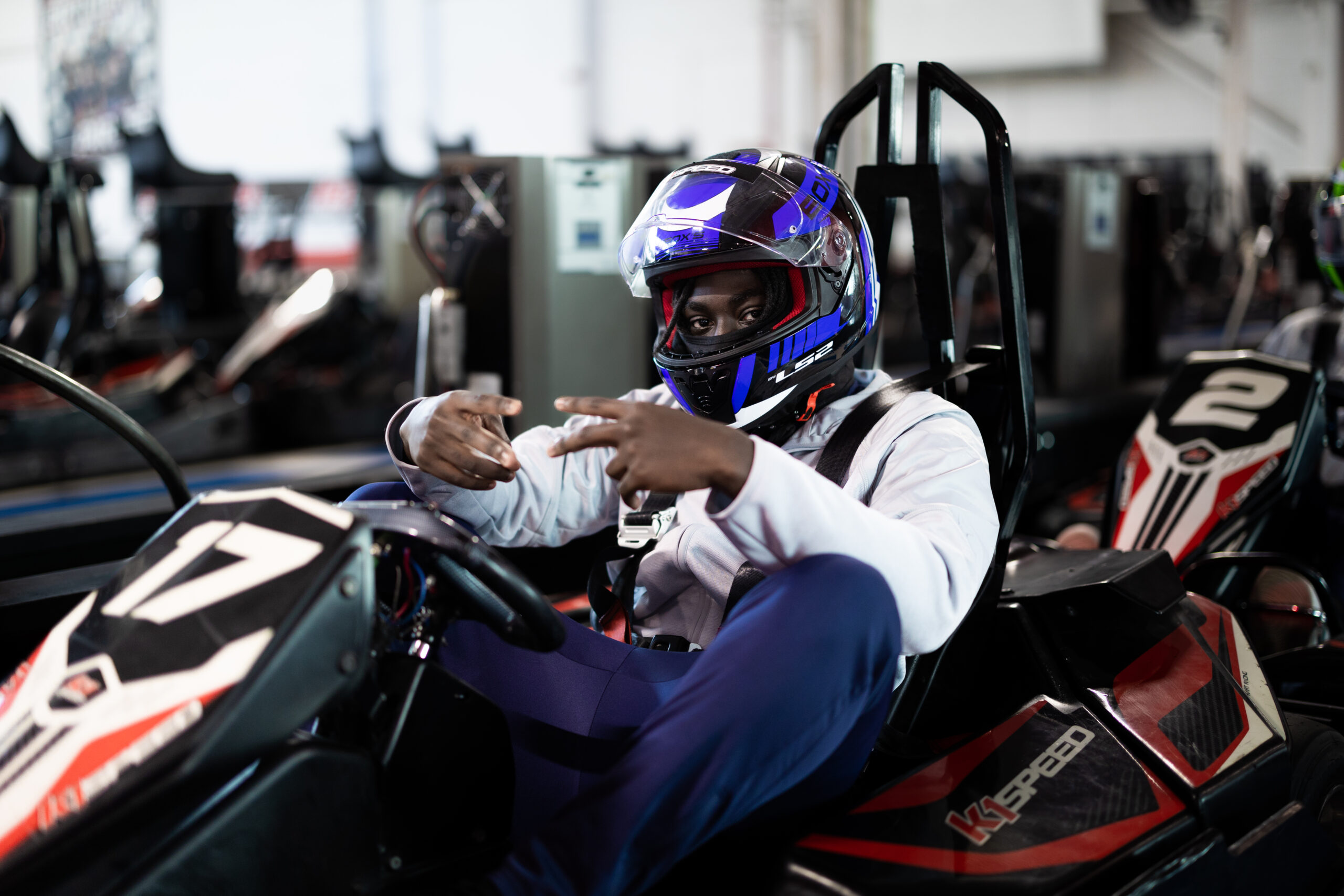
You do not need to be an Olympian to benefit from the mind behind the movement
By Vasilios Silivistris
Sports psychology is all about the mind behind the movement. It looks at how our thoughts, emotions and habits affect the way we train, compete and enjoy sport. You do not need to be an Olympian to benefit from it. Whether you are a weekend runner, a gym-goer, a young footballer, or someone trying to stay active, the way you think has a powerful impact on how you perform and how you feel.
Sport is not only physical. It is emotional, social and often deeply personal. Confidence, motivation, focus and resilience all play a part in how we show up. Sports psychology helps people build these mental skills so they can enjoy their sport more, cope better with pressure and get the best out of themselves.
Sports psychologists work with people of all ages and abilities, from children in grassroots clubs to elite athletes. Their work includes:
l Helping athletes manage nerves, pressure and self-doubt
l Supporting people through injury, setbacks or loss of confidence
l Teaching mental skills such as focus, imagery and positive self-talk
l Working with teams to improve communication and trust
l Supporting coaches and parents to create healthy sporting environments
l Helping athletes deal with life changes, burnout or motivation dips
It is a blend of psychology, wellbeing and practical tools that anyone can learn.
Sports psychologists draw on a wide range of understanding, including: how motivation develops; how confidence grows and how it gets knocked; how groups and teams function; how stress affects the body and mind; how injuries impact identity and mood; and how young people experience sport differently from adults.
This knowledge helps them support both performance and wellbeing, because the two are closely linked.
You do not need a professional athlete’s schedule to use sports psychology. These simple techniques can help you stay motivated, enjoy your training more and feel mentally stronger.
Positive images
Before or during exercise, picture yourself moving well, strong, steady and capable. If you hit a tough moment, such as a steep hill, imagine something pulling you upwards with ease. Your brain responds to images, and your body often follows.
Power words
We all have an inner critic. Instead of arguing with it, notice it and gently replace the thought. For example, I can do this because I am getting stronger with every step. A small shift in language can change your whole experience.
Stay in the present
Sport feels easier when you focus on what is happening right now, your breathing, your rhythm, your movement. Let past mistakes and future worries fade into the background. Being present reduces anxiety and increases enjoyment.
Beyond performance: the human side of sport
Sports psychology also supports people through the challenges that often sit quietly behind the scenes: overtraining and burnout; eating difficulties and body image concerns; low mood, grief or loss; identity changes after injury; and pressure from competition, family or social media.
These issues are far more common than people realise. Addressing them early helps athletes stay healthy, grounded and connected to the joy of their sport.
Sports psychology is not about perfection. It is about helping people feel confident, motivated and mentally balanced, whether they are chasing a personal best, returning from injury or simply trying to stay active. When the mind and body work together, sport becomes more enjoyable, more sustainable and far more rewarding.
Dr Vasilios Silivistris (Vasos) is a psychotherapist, counselling practitioner psychotherapycounselling.uk



Click here to change your cookie preferences