

Bright lights, balanced meals – what to get right before leaving the house in the morning
Early wake ups, daybreak, exercise and mindfulness have turned mornings have taken on a key role in today’s wellness arena. For many, these routines are seen as a way to begin the day with more focus, a better mood, and more productivity.
But do these structured mornings actually boost wellbeing, or are they just another trend? According to scientists, the answer is not a simple yes or no.
“It is not about what you do in the morning, but also about sleep quality, diet, physical activity, and other external determinants of health,” says director of the CLOTHO Precision Exposomics & Health Lab Konstantinos Makris.
Central to this balance is the body’s circadian rhythm, an internal system that regulates sleep, energy and metabolism throughout the day. “The circadian rhythm is basically the key system that regulates many physiological activities,” Makris explains.
In the early morning hours, this system is already active. Cortisol, a hormone associated with alertness, increases just before waking, while melatonin, the hormone responsible for regulating sleep, decreases. “This is what prepares the body to wake up,” he says.
When this rhythm is aligned, the body is better prepared to start the day with more energy, focus and alertness.
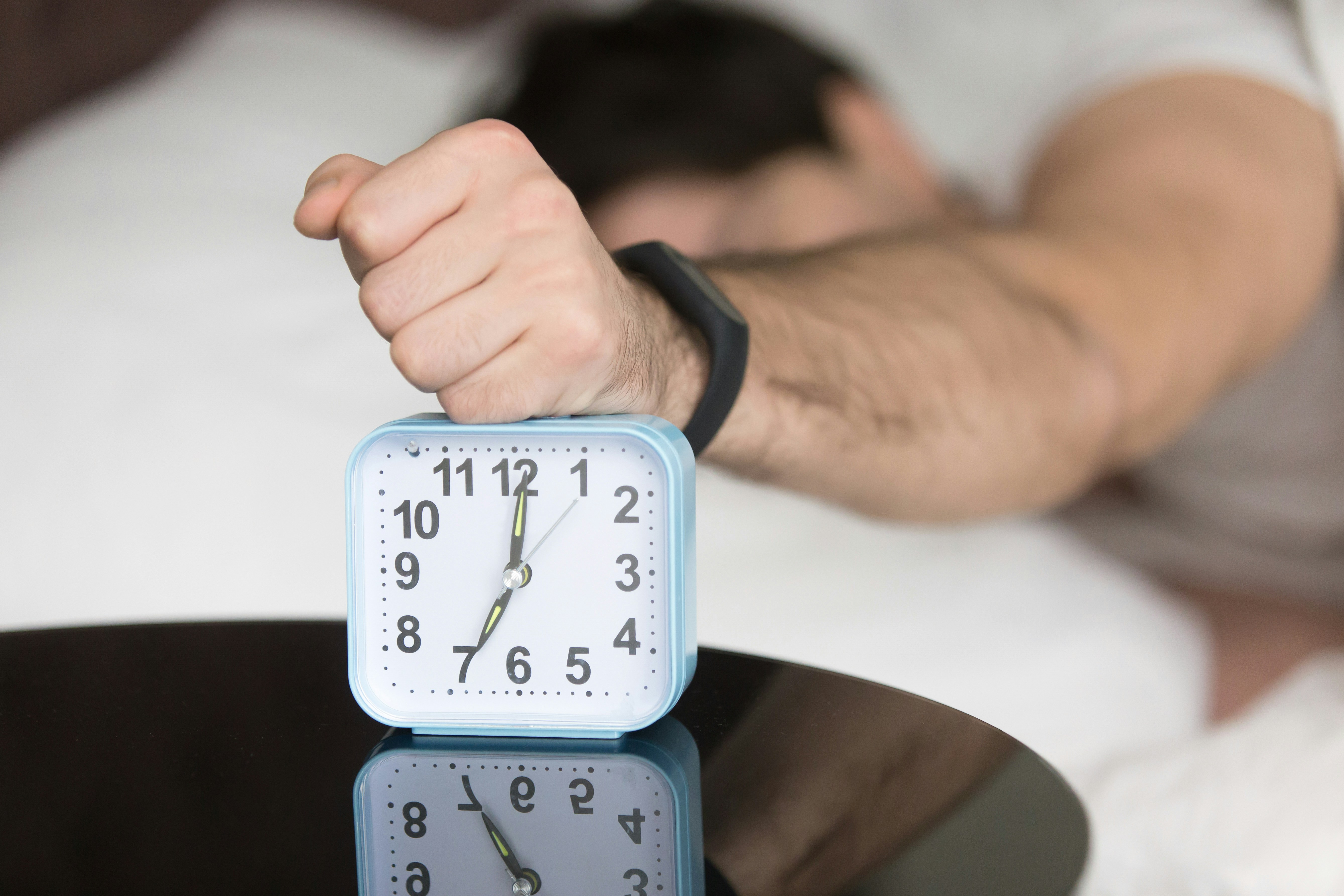
One habit that stands out as part of morning routines is light. “The major cue of the circadian rhythm is light,” Makris says. “It is very important in the morning to get adequate light, so that it stimulates cortisol and helps the body wake up”.
Even simple environmental factors can play a role. Opening windows, allowing fresh air to come in, and creating a well-lit space are all part of what he describes as a person’s “exposome,” or the overall sum of environmental and lifestyle factors that affect morning health.
“If you want to support better waking up in the morning, you have to consider a holistic approach,” he adds.
While scientific research highlights the role of biological rhythms and environmental cues, for many people morning routines are about about starting the day in a way that feels right.
For yoga instructor and founder of Shroom Bar Demetris Iouliou, the magic of a morning practice is in how it makes him feel right away. “Morning practices of yoga and meditation harness the natural energy of a new beginning,” he says. “By grounding yourself through breath and movement, you regulate your nervous system and create a sense of balance that carries through the day, physically, mentally and emotionally.”
Those who practice in the morning usually start their day with a more intentional approach. “By beginning their day without outside noise or demands, they take control of setting the tone before the world rushes in,” he says.
While morning routines are often seen as a way to boost productivity and wellbeing, experts say they do not have to be so strict. GP and lifestyle medicine doctor Nicola Ioannou says that consistency matters more than intricacy.
“In my clinical experience, patients who have some level of consistency in their daily routines, particularly in the morning, do tend to have better overall wellbeing and lower stress levels,” she says.
She also warns about the increasing pressure to stick to strict or ‘optimised’ routines. “The problem is that they are often presented as an ‘all or nothing’ approach,” she says. “I see many people trying to do everything perfectly, which can actually increase stress… health isn’t built on perfect mornings, it’s built on sustainable habits”.
Instead of creating long, complex routines, science and clinical practice reference a few simple habits that can support wellbeing. “The first few hours of the day play a key role in setting our hormonal rhythm,” Ioannou explains. “Morning behaviours directly influence these signals, so how you start your morning can either support energy and focus or disrupt it”.
Some of the most important of these are consistent wake up times, early light exposure, hydration, gentle movement and a calm start to the day
Beyond movement and routine, what we eat can have an impact on how our day goes. Clinical and sports dietician Natasa Kouzali says that not everyone responds to eating in the morning in the same way.
“If we’re referring to breakfast, it is typically defined as the first meal consumed within two hours after waking up,” she says. “Its impact on energy and mood varies depending on the individual’s profile, as well as the composition of the meal itself.”
Whether you choose to have breakfast and what you decide to eat, can shape your energy levels, mood and hunger throughout the day. These choices can affect your metabolism, how hungry you feel, and how content you remain until your next meal. She adds that more balanced meals tend to have a more balanced effect.
“Meals containing a balance of macronutrients – carbohydrates, protein, and fats – can promote greater satiety and support more stable blood glucose levels compared to meals consisting primarily of a single macronutrient,” she says.
Caffeine, a common component of many morning routines, can influence mood and also affect how people feel. Higher amounts have been linked to increased anxiety in some, while even lower amounts can be effective depending on the level of sensitivity. At the same time, caffeine can increase alertness and can be beneficial when used effectively.
Like other experts, she highlights that there is no single ideal routine. “Every individual is different, which is why understanding your personal profile is the first step towards building an effective routine”, she says.
Overall, research suggests that morning routines aren’t a magic solution, but they’re not just hype either. Morning habits can help boost your mood, focus and energy, but they are just one piece of a bigger puzzle. Your sleep, surroundings, what you eat, and your own biology also play a role. What seems to matter the most is not focusing on a perfectly structured morning, but instead, consistency in habits that are realistic and aligned with how the body functions.





Click here to change your cookie preferences