
The consumption of lionfish could help limit the spread of one of the Mediterranean’s most problematic invasive species, marine biologist Evagoras Isaias said on Thursday.
Lionfish, a species native to the Indian Ocean, entered the Mediterranean through the Suez Canal and has rapidly established itself in Cypriot waters.
With few natural predators in the region, the species has raised concerns over its impact on marine ecosystems by preying on native fish and other marine organisms.
Speaking on Sigma TV, Isaias said the fish could become part of the response to its expansion, arguing that increased demand could encourage its removal by fishermen.
“This is a particularly delicious fish, which can easily be incorporated into the dietary habits of consumers in the Mediterranean,” he said.
He explained that despite its reputation as a poisonous species, lionfish is safe to eat when handled correctly.
The venom is contained in the spines of its fins rather than the flesh, meaning the fish can be cleaned and prepared for consumption once the dangerous parts are removed.
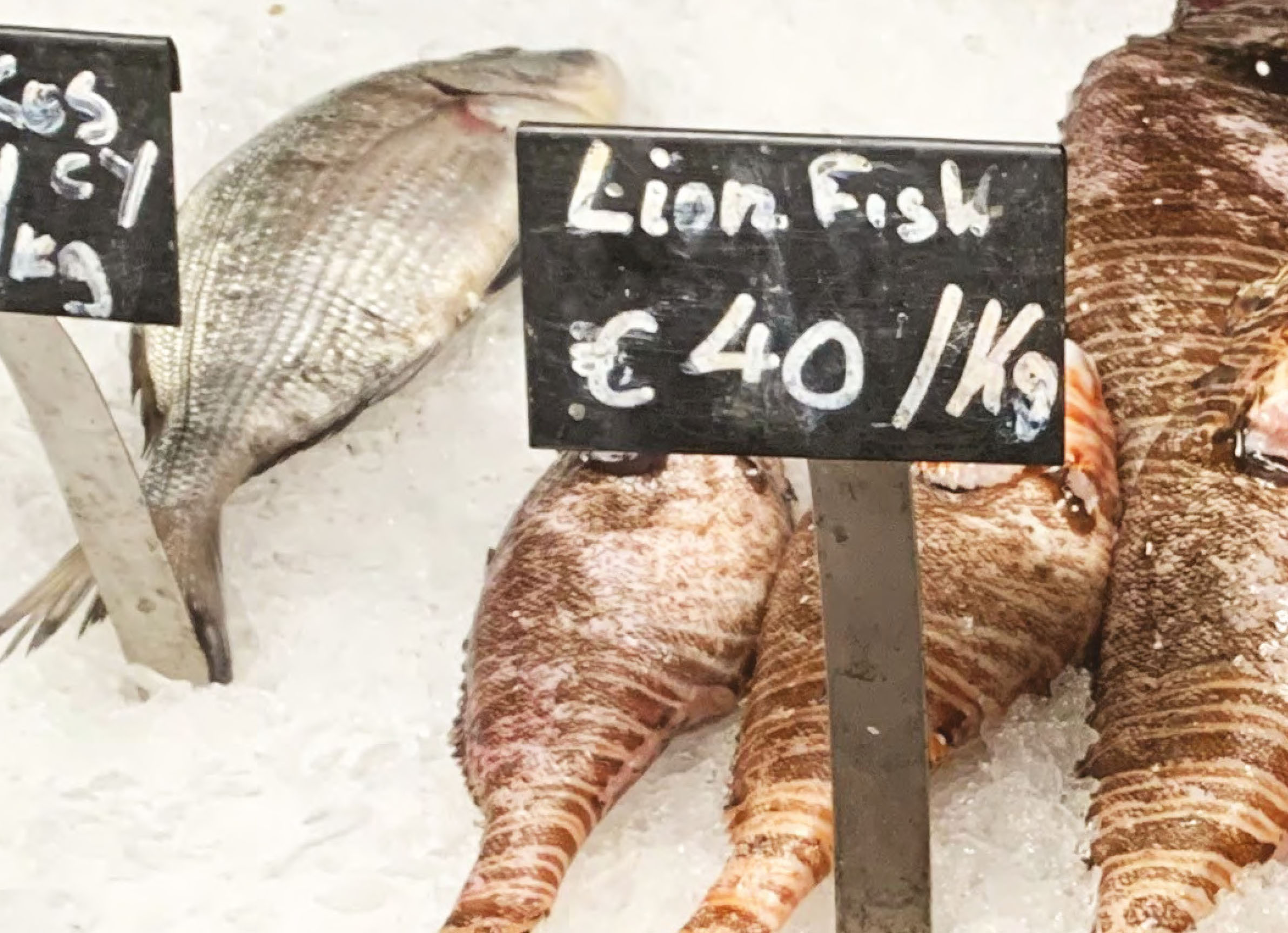
Due to the specialised technique required to catch lionfish with spearguns and the skill needed to clean them safely, the fish at present has a market rate at around €40 per kilo.
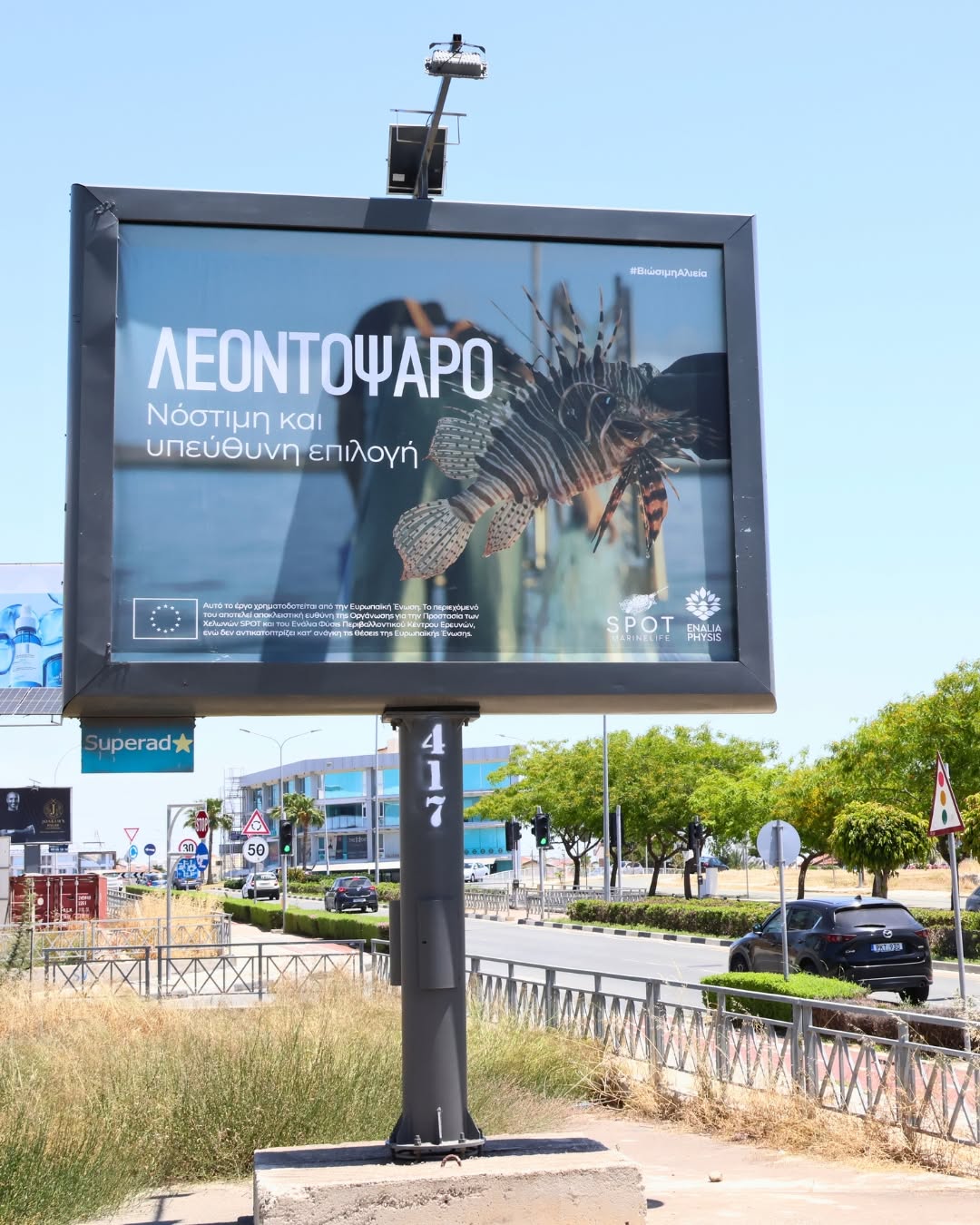
The species has been the focus of scientific monitoring and removal efforts in Cyprus, including initiatives by research organisations and programmes aimed at developing a market for lionfish as a food source.
Research director of environmental organisation Enalia Physis Carlos Jimenez, who participated in the EU-funded RELIONMED project, previously said the species had become firmly established in Cyprus waters.
“The lionfish population has spread and has established itself,” he said, adding that larger specimens were becoming increasingly common, particularly at greater depths.
Researchers involved in the project have explored commercial fishing and consumption as a possible method of reducing numbers, although uptake by consumers and restaurants has remained inconsistent.
Isaias said allowing recreational divers to catch lionfish using scuba equipment would not provide a solution, arguing that most specimens are found beyond depths suitable for ordinary recreational diving.
He said lionfish could often be captured more easily in shallow waters, where the species relies on camouflage and remains relatively motionless.
The species has two genetic groups in the Mediterranean, according to Isaias, with research suggesting one arrived naturally through the Suez Canal while another may have originated from aquarium releases.
He warned that releasing non-native species into the environment could create serious ecological problems and urged the public not to introduce aquarium fish into the sea.
While organised removals and fishing initiatives can reduce local populations, Isaias said consumption remained one of the available tools for managing the continued presence of lionfish in Cypriot waters.





Click here to change your cookie preferences