
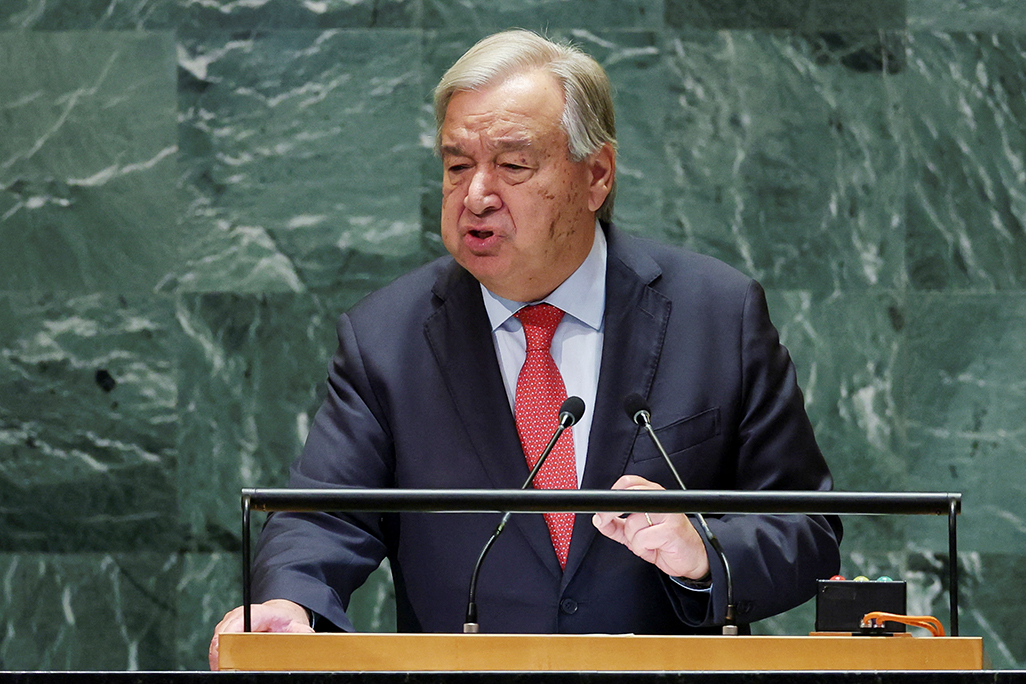
United Nations Secretary-General Antonio Guterres is to visit Cyprus before the end of this month, the Cyprus Mail understands.
Competent sources have informed the Cyprus Mail that Guterres will make a two-day visit to the island on July 27 and July 28 alongside his undersecretary-general for peacebuilding Rosemary DiCarlo and his undersecretary-general for peace operations Jean-Pierre Lacroix.
It is expected that he will hold separate meetings with both President Nikos Christodoulides and Turkish Cypriot leader Tufan Erhurman, while also meeting both leaders together, as well as members of bicommunal technical committees, and non-governmental organisations.
Later in the day, a UN spokesperson confirmed the visit. Stephane Dujarric told media in New York that Guterres “will meet with the Greek Cypriot and Turkish Cypriot leaders, as well as other stakeholders, and discuss efforts to advance the peace process and support stability on the island, including through the work of the U.N. peacekeeping mission on the ground there, UNFICYP”.
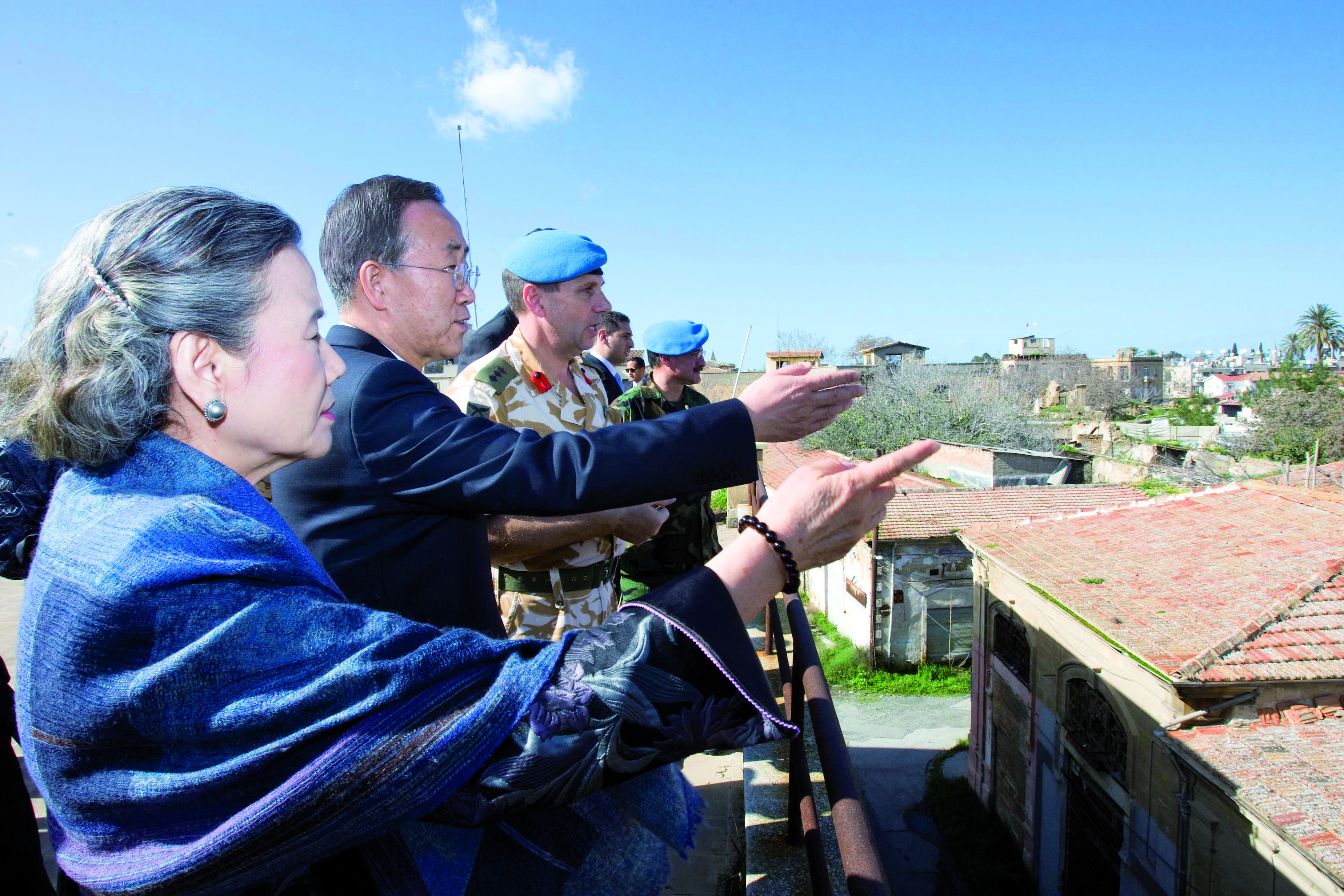
In travelling to Cyprus, Guterres will be the first sitting UN secretary-general to visit the island in 16 and a half years, with Ban Ki-moon the most recent to do so at the beginning of 2010. He met the leaders of the day, Demetris Christofias and Mehmet Ali Talat, aiming to give impetus to negotiations on the Cyprus problem.
At the time, Ban said that a solution to the Cyprus problem was “within reach”, and that “I am convinced these two leaders can achieve a mutually beneficial solution”. However, Talat was unseated as Turkish Cypriot leader just two and a half months after Ban’s visit, and replaced by Dervish Eroglu, a more nationalist figure.
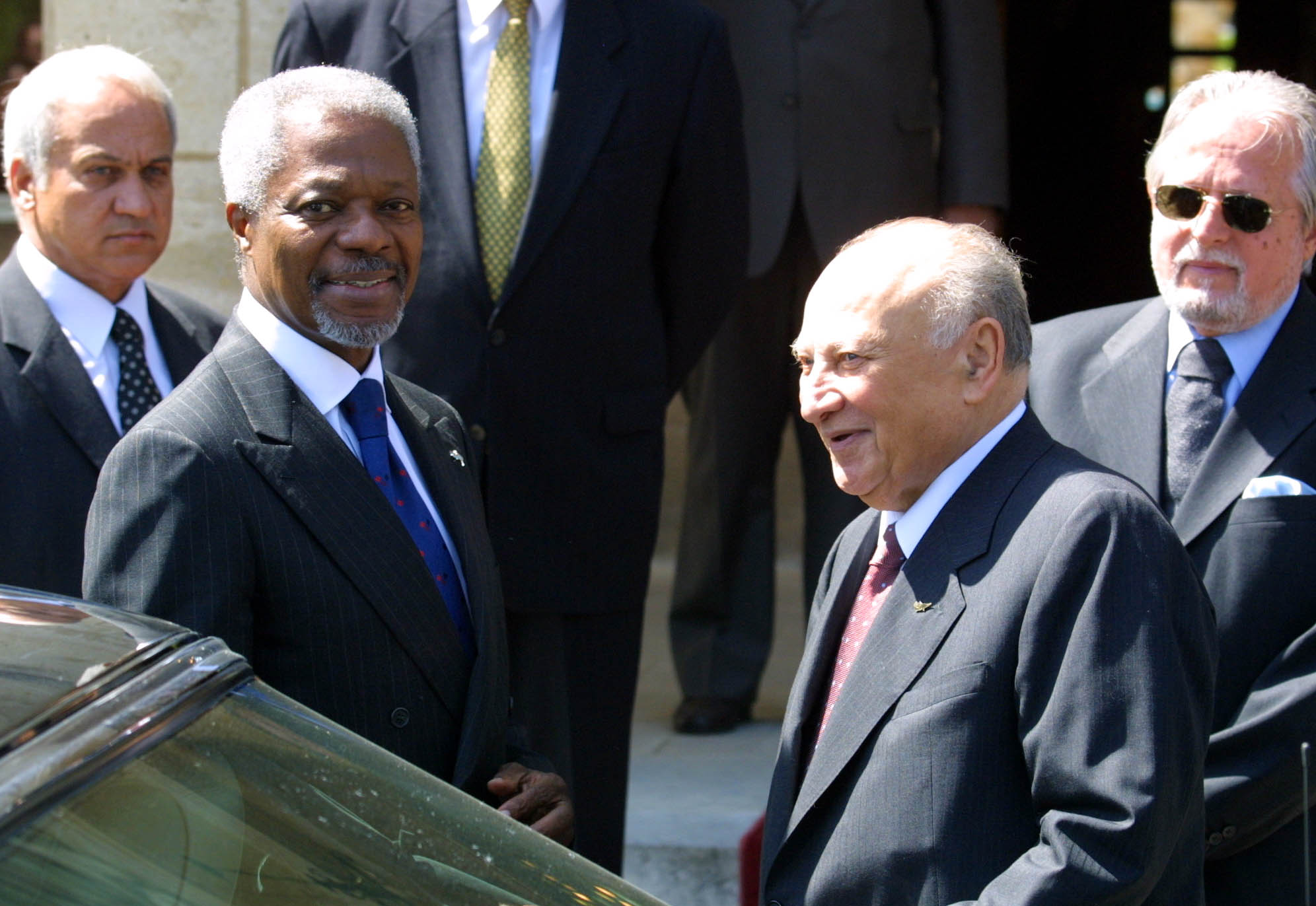
Previously, Kofi Annan had made two trips to the island while in office, first visiting the island in 2002 to hold meetings with the then leaders Glafcos Clerides and Rauf Denktash.
Then, following Tassos Papadopoulos’ election as president in 2003, he returned to the island, having also visited both Greece and Turkey.
Annan’s plan for a solution to the Cyprus problem was put to a referendum in 2004, but while the Turkish Cypriot electorate voted in its favour, the Greek Cypriot electorate rejected it by an overwhelming margin, and Cyprus remained divided thereafter.
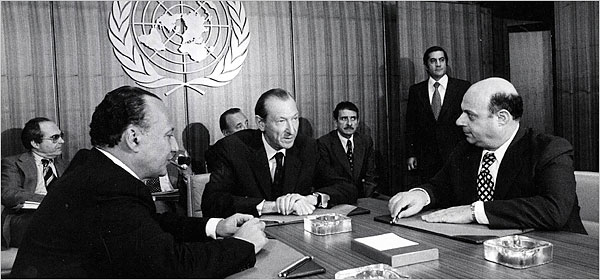
Kurt Waldheim made no fewer than four visits to the island during his tenure as secretary-general, first visiting the island in 1972 to meet the leaders of the day, Archbishop Makarios III and Fazil Kucuk, and inspect the state of the UN’s peacekeeping force in Cyprus (Unficyp).
He then returned in August 1974 and met Clerides, who was deputising as president in Markarios’ absence, and Denktash, with the pair at the time agreeing to hold weekly meetings – something Waldheim described as “a limited step”, but acknowledged was “a very encouraging sign for the future”.
His next two visits to the island were in 1978 and 1979, with the final of those visits securing between Denktash and then president Spyros Kyprianou a “ten-point agreement”.
Among those ten points was that talks would resume in Nicosia a month after his visit to solve the Cyprus problem on the basis of a federal state, and that “priority will be given to reaching an agreement of the resettlement of Varosha under UN auspices”.
This time around, Guterres’ visit will once again come with efforts both in Cyprus and abroad ramping up with the aim of bringing about a resumption of negotiations in earnest on the Cyprus problem, with Guterres himself having been said to have undertaken a “new initiative” to this end.
His envoy Maria Angela Holguin, meanwhile, is undertaking a round of contacts with stakeholders, and is expected to hold contacts in Brussels in the coming days. Following this, she is expected to return to the island herself to meet both Erhurman and Christodoulides.
These meetings will, in part, be geared towards efforts to convene an enlarged meeting on the Cyprus problem at some point this summer.
Such a meeting would involve the island’s two sides, its three guarantor powers, Greece, Turkey, and the United Kingdom, and the UN, though both Cypriot leaders have stressed that the meeting is not an end in and of itself.
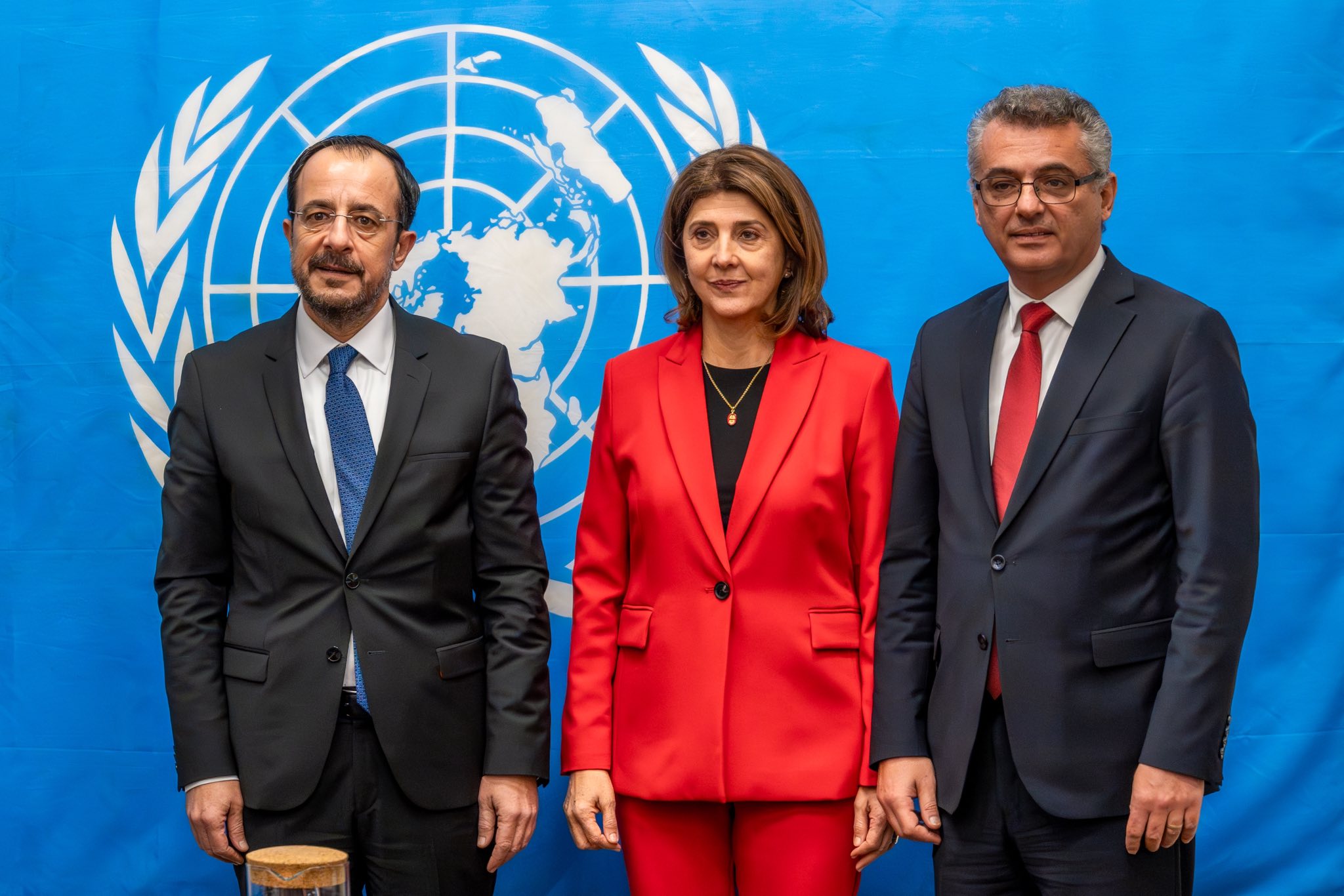
Erhurman, for example, called for “results” to be achieved at that meeting, while Christodoulides having said that its outcome must entail “the resumption of talks”.
Holguin, meanwhile, called on Cypriots to “seize this historic opportunity to negotiate a lasting solution” and said that Guterres is “evaluating which could be the next phases that will convince both parties to take concrete steps towards a final solution”.
Last week, both Costa and European Commission President Ursula von der Leyen had called on Erdogan to “seize the renewed momentum” to bring about a solution to the Cyprus problem, when the trio met on the sidelines of last week’s Nato leaders’ summit in Ankara.
Most recently, Turkish Foreign Minister Hakan Fidan and Guterres held a telephone call this week, with Fidan, alongside the EU’s foreign policy chief Kaja Kallas, Enlargement Commissioner Marta Kos, and Internal Affairs Commissioner Magnus Brunner, signed a joint declaration offering his support for Guterres’ efforts in Cyprus.
With the European Commission, too, having endorsed these efforts, it appointed Raffaele Fitto as its own envoy for the Cyprus problem this week.





Click here to change your cookie preferences