

The people who remember your childhood often share the longest relationship you will ever have with you
One day, your siblings may be the only people left who remember your childhood exactly as it was. The inside jokes, the worries your parents had, Christmas mornings, and family traditions; no one else experiences them from the inside in quite the same way. As parents age and life changes, brothers and sisters often become the keepers of a shared history, and for many, the longest relationships of our lives.
Relationships with siblings tend to last longer than with parents, friendships, and in some cases, partners.
“Sibling relationships often serve as a foundational blueprint for our emotional and psychological development,” says licensed counselling psychologist Marios Shialos. “Because siblings typically form strong emotional bonds from an early age, these relationships can deeply shape self esteem, emotional regulation and feelings of security as people grow up.”
In addition, brothers and sisters also assist us in developing our social skills. “By constantly practicing within this safe environment, we learn to cultivate empathy, master communication and navigate conflict, thus actively helping to refine the essential social skills needed for the outside world,” Shialos says.
Research suggests that positive sibling relationships are associated with greater emotional wellbeing and may help protect against loneliness and stress.
One unique aspect about sibling relationships is that they often last for decades. Siblings precede spouses, careers and children, sharing everything ranging from childhood competitiveness to life’s milestones.
“Because they endure across so many developmental milestones, these bonds leave a profound imprint on how we connect with the world,” says Shialos.
While sibling relationships during the early years can be marked by both affection and rivalry, the nature of these ties tends to change as time passes. “In childhood they can be marked by a volatile mix of closeness and rivalry as siblings compete for attention, resources and independence,” Shialos says. “This creates a paradox where siblings are simultaneously best friends and primary rivals.”
As they grow older, the nature of the relationship changes as well. “Many sibling relationships become more equal and less competitive, with siblings often serving as sources of emotional support, shared history and practical help,” he says. “While not all relationships become closer, adulthood can bring greater understanding, acceptance and appreciation of each other’s experiences”.
Warm relationships with siblings have been associated with greater happiness, suggesting these bonds remain important not only during childhood but throughout life.
With maturity comes marriage, children and ageing parents, which means that sibling ties may acquire new importance. Brothers and sisters who at first were bickering over their toys might later find themselves helping each other navigate some of the toughest experiences of life.
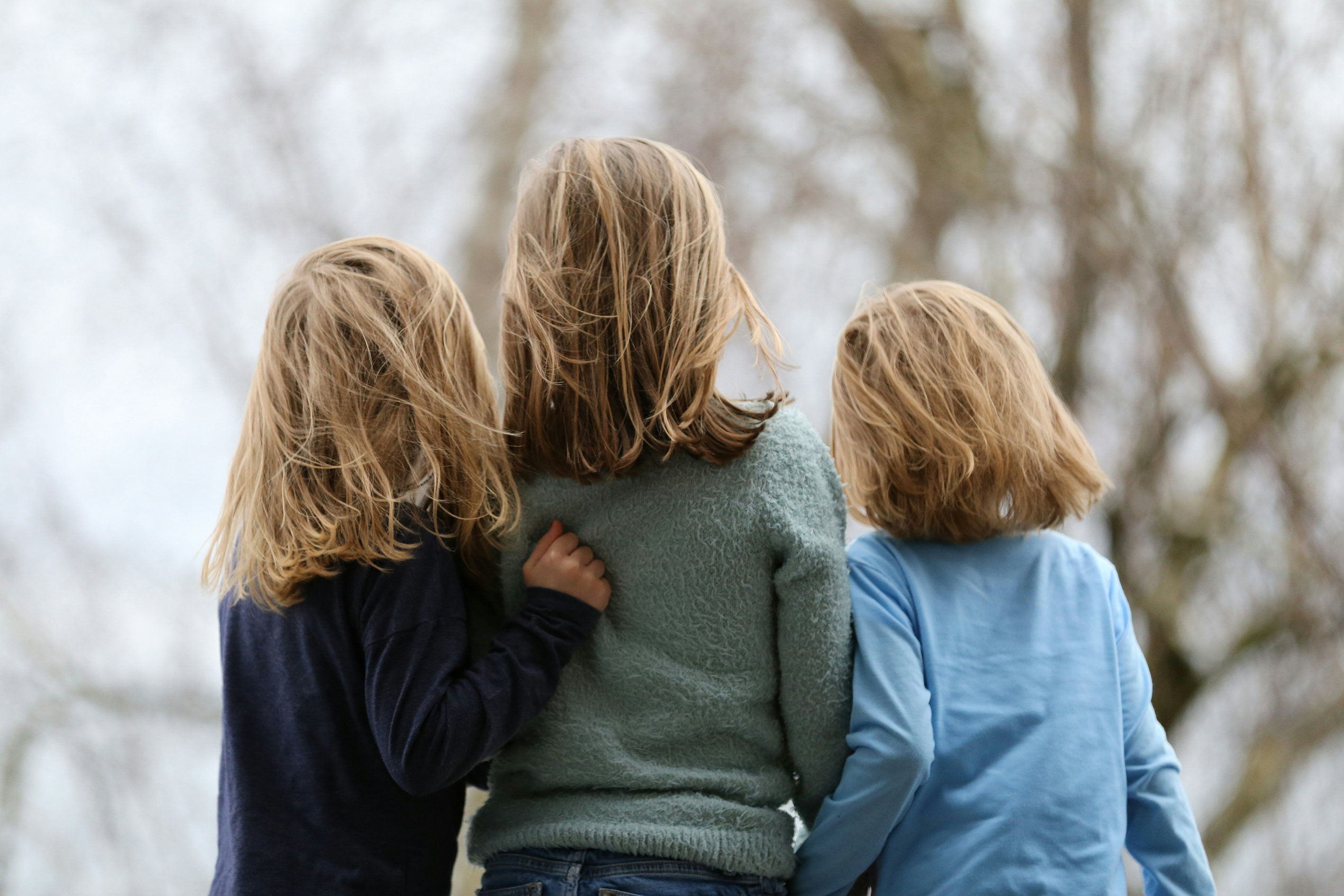
“During major life events, siblings serve as a vital support network of both emotional and practical aid,” says Shialos. “Because they carry the same foundational family history, siblings may offer understanding, reassurance and a safe space during times of change or stress.”
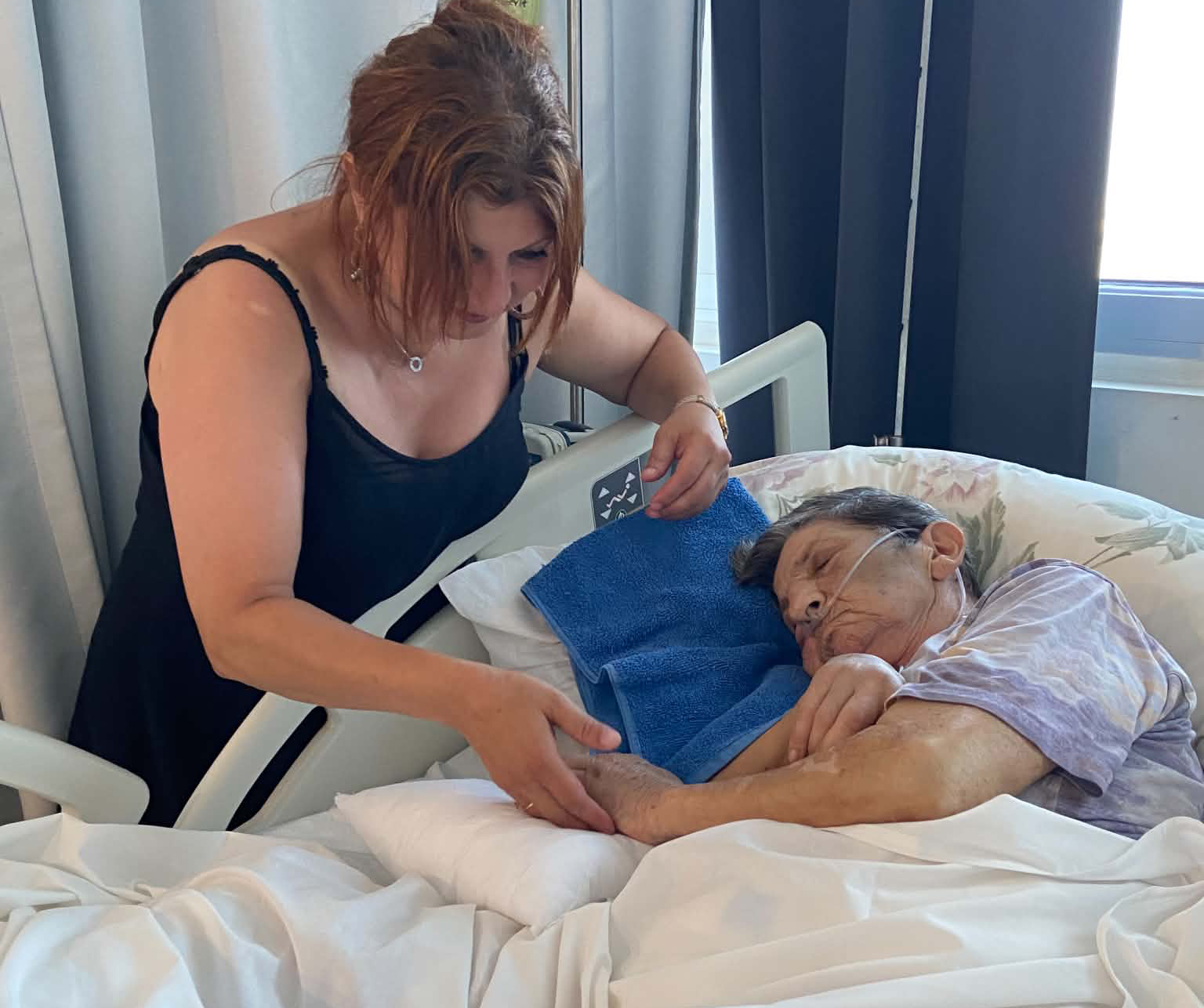
This can become all the more essential as parents grow old. “Managing medical, financial and daily care requires massive coordination. Having siblings allows for a critical division of labour so the burden does not fall on one person,” he says.
“Emotionally, they provide a sanctuary to navigate the painful role reversal of watching parents decline, as they love the same people and experience the weight of the situation just as intensely.”
And this is also true in times of mourning. “Friends can be deeply empathetic, but they look at our grief from the outside,” Shialos says. “A sibling is inside the grief with us. They don’t need a back story to understand why a specific memory hurts or why a certain comment triggers a reaction.”
Culture may also affect the development of relationships among siblings. As Shialos says, Cyprus reflects both collectivistic traditions and increasingly individualistic values influenced by globalisation and urbanisation.
“Cyprus is fundamentally a collectivistic society at its core,” he says. “However, younger generations of Cypriots are adopting a lot of individualist traits.”
Despite the changes, he says Cypriot society still retains a culture of strong family connections and support networks. “Cypriot culture traditionally places a strong value on close family relationships, extended family involvement, loyalty to family and community, maintaining connections across generations and providing support to relatives during difficult times”.
The close proximity within Cyprus also contributes to preserving the existing connections. “Unlike larger Western countries, siblings in Cyprus frequently lie within a 30-minute radius of one another, even into adulthood,” Shialos says. “This geographic proximity naturally intensifies daily support networks, but it also requires a continuous, active negotiation of personal boundaries.”
Sibling relationships do more than offer emotional support. They can help people feel a stronger sense of identity and belonging. As Shialos explains, “Sibling relationships are vital pillars of resilience, wellbeing and a sense of belonging because they are built on an irreplaceable foundation of shared history. Knowing there is someone who understands where you come from and has witnessed many of the same life experiences can be deeply reassuring.”



Click here to change your cookie preferences