
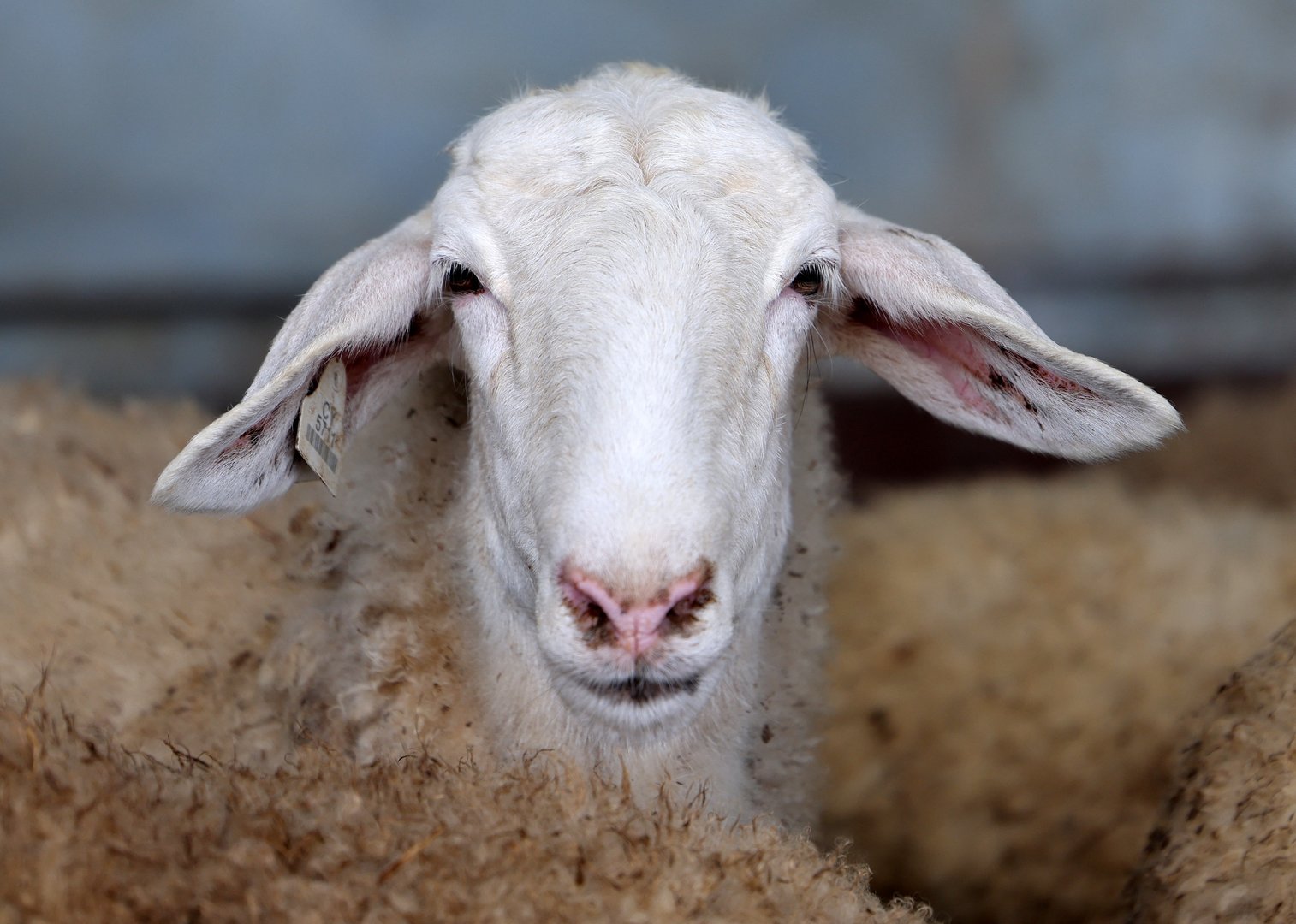
The government presented a twelve-year plan worth some €610.9 million to rebuild the livestock sector on Friday, following the foot and mouth disease outbreak that led to the culling of more than 84,000 animals.
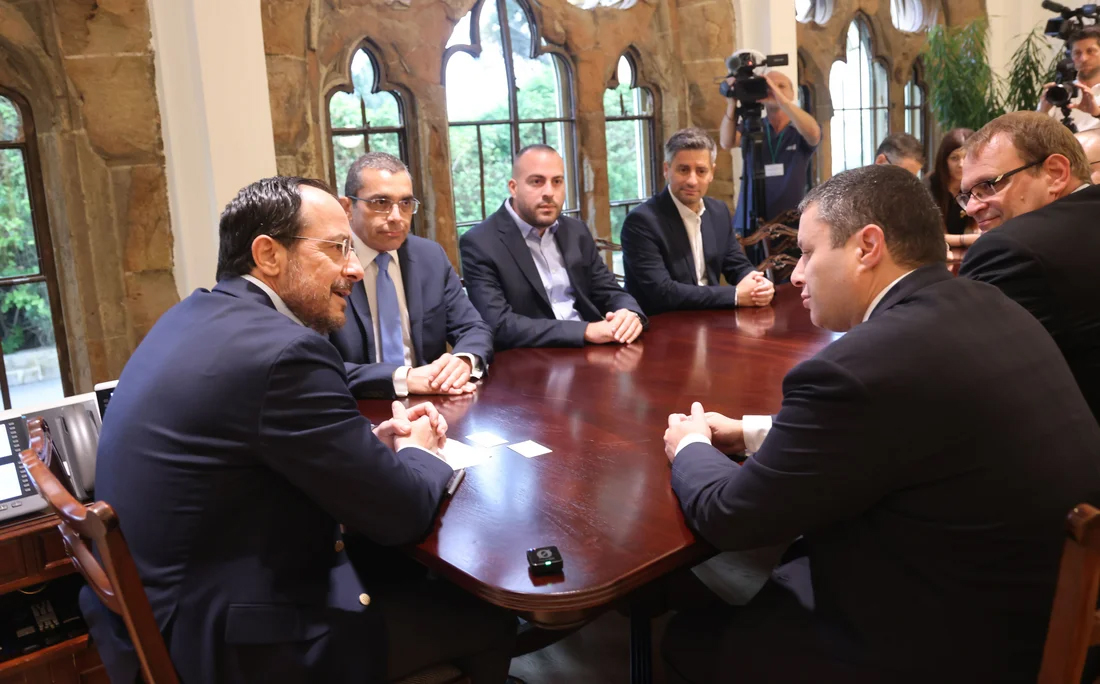
The proposals, drawn up by the scientific committee under Stavros Malas, were presented to stakeholders at the presidential palace.
The committee’s head told those gathered that the outbreak “exposed existing problems” within the sector rather than having created them.
“This is why we cannot simply return livestock farming to where it was before the crisis,” Malas insisted.
According to figures presented by the committee, 104 sheep and goat units lost 56,632 animals, 14 cattle units lost 3,018 animals and three pig farms lost 24,483 animals.
Of the 121 affected units, 81 were located in Larnaca district, 39 in Nicosia district and one in Limassol, with the areas of Oroklini, Livadia and Yeri recording the greatest impact.
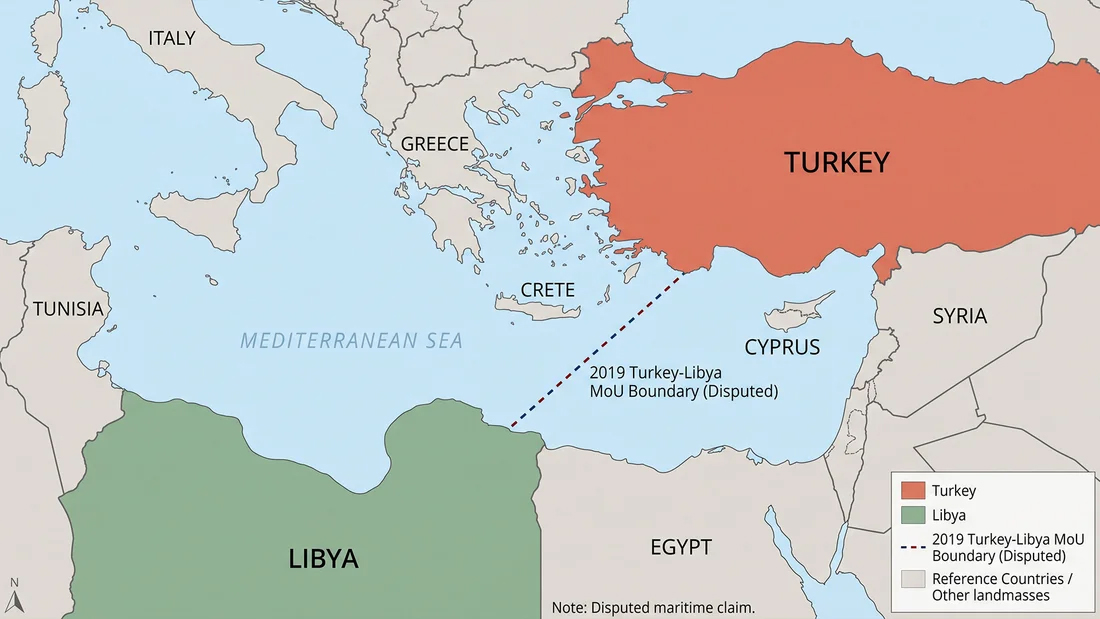
Malas said the strain of foot and mouth disease that reached Cyprus circulates in Turkey and is believed to have entered from the occupied north, spreading through illegal animal trafficking.
He added that some sheep and goats had carried the virus without symptoms, resulting in what he called ‘hidden transmission’.
Compensation paid to farmers so far stands at €17,288,069, made up of advance payments and support for lost milk and feed.
Malas said the average payout worked out at €206 per sheep or goat, €1,636 per cow and €111 per pig.
Rebuilding sheep and goat farming accounts for the largest share at €372.225 million, with the aim of doubling milk production within twelve years through better breeding and management rather than simply increasing livestock numbers.
Within that figure, €240 million is set aside for new or acquired large units, €90 million for upgrading existing farms, €24.425 million for genetic improvement and the creation of 100 breeding nuclei, €8 million for new Machairas goat units, €6 million to replace culled animals and €3.8 million for a production replacement programme.
A further €134 million is earmarked for cattle farming, where the committee wants a smaller but more productive herd along with fifty new units and greater investment in beef production.
The allocation includes €50 million for the new units, €50 million to upgrade or acquire existing farms, €30 million for genetic improvement, €2.5 million to preserve the local Cypriot cattle breed and €1.5 million to replenish herds.
Malas said productivity per animal could rise from around 8,000 litres to 10,000 litres.
Measures covering biosecurity and fencing would receive €41 million, while €63.7 million is set aside for scientific and technical support including genetic testing.
As an immediate step, the committee proposed an emergency package worth €30 million, covering the creation of ten calf fattening units, ten lamb and kid fattening units, and support for farmers either relocating to safer sites or leaving the industry.
Much of the funding shall be sought through the EU’s next common agricultural policy programme, which begins in 2028.
Malas suggested that Cyprus apply for additional European Commission support because of the difficulties the island faces due to its division, which he argues leaves the sector more exposed to disease risk.
Agriculture minister Christos Senekis said discussions under way with the justice ministry on establishing a team to monitor the green line and limit illegal trafficking
President Nikos Christodoulides confirmed that national funds will also be required, though the balance between national and European contributions has not yet been settled.
The estimated cost of the plan already exceeds the €91.5 million in public support given to the sector over the past decade.
The new twelve-year budget represents an average annual allocation of €50.9 million, a rise of 565 per cent compared with the average of €7.6 million a year spent between 2014 and 2025.
Speaking to the Cyprus Mail, the ‘voice of the livestock breeders’ union approved of the plan but stressed that it must actually be delivered and all funds promised be made available.
“We like Malas’ proposals very much, but farmers must actually get the funds that they have proposed”, he said.
Senekis told the briefing that Cyprus had entered a new era that includes mandatory vaccination of all cloven-hoofed animals.
“We are discussing the livestock farming we want to have in the coming years, better organised, with stronger biosecurity, greater productive resilience and better prepared against future crises,” Senekis said.
A central finding of the report is that dense clustering of farms worsened the spread of disease.
Researchers found that 84 of the 121 affected units were located in crowded livestock zones where farms operated close together.
The committee has proposed a minimum distance of 300 metres between independent holdings and has identified 360 potential sites on state land within agricultural areas, along with 130 larger sites within existing zones, to support relocation.
Malas said farmers whose facilities meet future location and biosecurity requirements would be given priority to resume production, with some expected to restart between November and December if no further cases emerge.
He told the briefing that current evidence suggested no active virus remained on the island.
Veterinary services director Christodoulos Pipis said the culling of animals had been required under EU protocol and that the process could have been completed within fifteen days had it proceeded without complication.
Others are to face longer delays, and the committee concedes that not every affected farmer, particularly older producers and those farming on a smaller scale, will choose to return to the industry after the compulsory culling of their animals.
The report also calls for consolidation among smaller farms in overcrowded areas, with some expected to merge with neighbouring units to meet the new requirements.
New regulations are being prepared by the agriculture department to tighten oversight of state land used for livestock.
Malas said the meat production chain in Cyprus remained underdeveloped compared with dairy, describing a “shadow trade” in animals between the occupied north and the government-controlled areas.
He said halloumi, one of the country’s most valuable exports, depended on a reliable supply of quality milk and would face further requirements from European buyers around biosecurity, animal welfare and environmental standards.

Click here to change your cookie preferences