
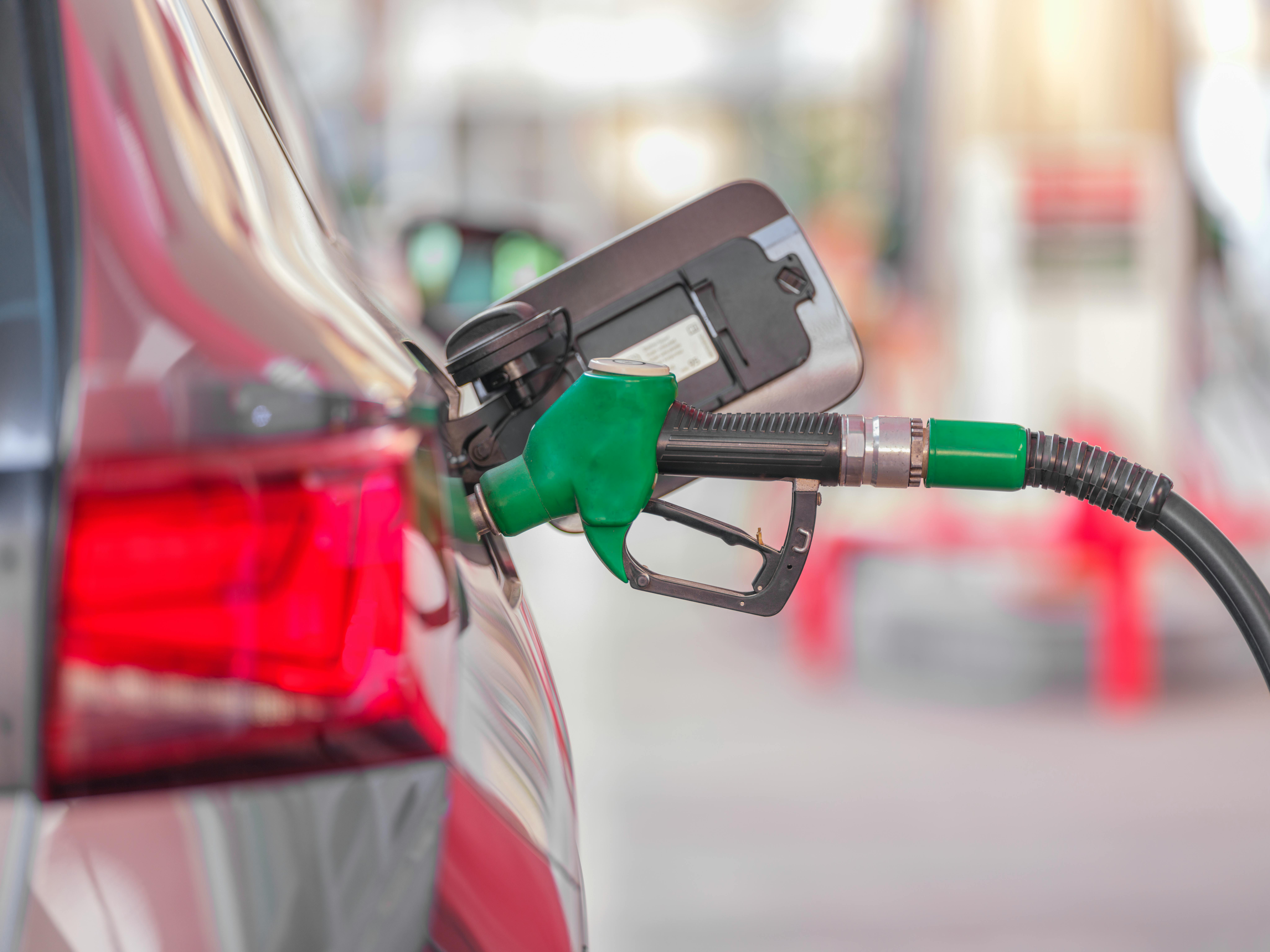
Diesel prices reached a historic high on Friday, with the average pump price climbing to €1.997 a litre, prompting fuel industry groups to renew calls for a cut in VAT.
Figures from the consumer protection service showed diesel selling at between €1.879 and €2.098 across the island, pushing the average above the previous record of €1.989, set in July 2022.
Consumers Association president Marios Drousiotis said more than 100 petrol stations nationwide were already charging above €2 a litre, and predicted the average price would cross that threshold by Saturday.
Heating oil has also reached a record, selling between €1.489 and €1.735, with an average of €1.608, above the previous high of €1.515 recorded in July 2022.
Unleaded 95 petrol stood at an average of €1.718, still below its 2022 peak of €1.828.
Drousiotis said price increases were being applied gradually across the network. “When a company announces an increase, it is not implemented on the same day by all stations,” he said, meaning the full rise typically takes two to three days to filter through.
Petrol stations likely to increase price on Monday
Petrol Station Owners Association president Savvas Prokopiou said stations yet to raise prices were likely to do so on Monday rather than over the weekend.
Both he and Drousiotis urged the government to reduce VAT on fuel, Drousiotis said the state was now collecting an additional 7.5 cents a litre in VAT on petrol, 11 cents on diesel and 12.34 cents on heating oil as a direct result of the price rises.
“The additional state revenues resulting from the increases should be returned to consumers,” he said, arguing that any planned heating oil subsidy needed to reach households rather than being absorbed by stations.
Drousiotis said the government had the option of cutting VAT on fuel from 19 per cent to 5 per cent, as it had already done for electricity, without requiring European Commission approval.
He said Cyprus could also follow Spain and Sweden in seeking EU approval to lower fuel consumption tax further.
Europe-wide problem
Prokopiou said the rise in fuel prices was now a pan-European issue and suggested Cyprus could take the lead in pressing for an EU wide VAT reduction.
He said the absence of viable public transport alternatives in Cyprus meant fuel demand was not falling in line with price rises, unlike in other member states where up to 90 per cent of the population can rely on public transport.
“We could ask for an exception as a country,” he suggested.
Asked whether the fuel price rises had yet fed through into the wider cost of goods, Drousiotis said no broad increase had been observed so far, though he expected the effects of September’s rises to appear in other products within two months.
The comments come as Finance Minister Makis Keravnos prepares to bring proposals to cabinet at the end of the month aimed at addressing the rising cost of fuel, though he has said no final decisions have yet been taken.





Click here to change your cookie preferences