
Jewellery found in Cyprus tombs offers clues to social status, trade, craftsmanship and changing cultural influences across thousands of years
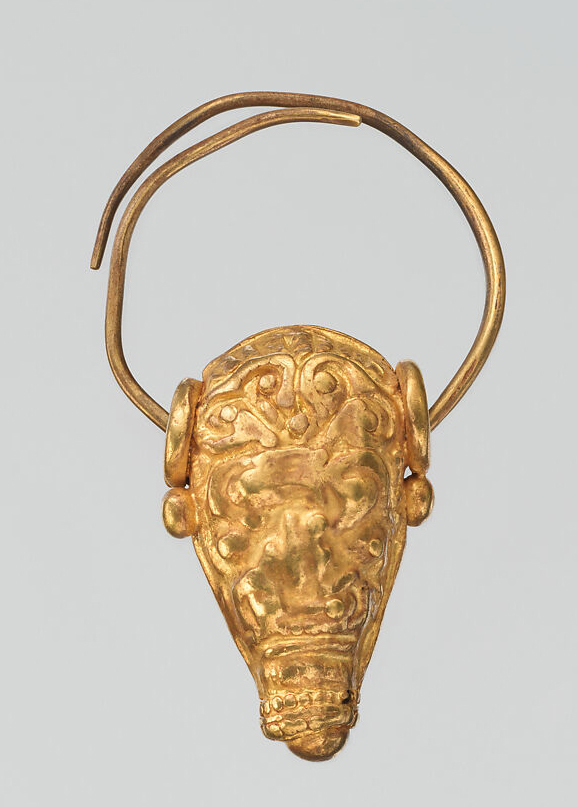
Almost 3,000 years ago, someone in what is now Larnaca (and was then Kition) was buried with an extraordinary collection of gold jewellery. There were earrings, bracelets, rings, a necklace and fibula (brooch) some decorated with semi-precious stones. Among them was a bracelet made with tiny gold granules and an agate that is reminiscent of the Egyptian Eye of Horus.
The tomb, discovered in 1998, dates to around the end of the eighth century BC. Two archaeologists, Pavlos Flourentzos and Maria Luisa Vitobello, who studied the jewellery found proposed that the person buried there belonged to Kition’s Phoenician upper classes, potentially even its royal family.
Whoever they were, the objects they were buried with offer insight into a distant world.
People have worn jewellery in Cyprus for thousands of years, long before gold became part of the story. During the Chalcolithic period, which lasted from around 3900 BC to 2400 BC, people on the island wore pendants carved from picrolite, a soft green stone found locally. A few of these pendants show signs of prolonged use, suggesting that they had been worn during life before eventually being placed in graves.
By the Early Bronze Age, copper ornaments had become more common. Among the finds from Sotira-Kaminoudhia were a pair of spiral earrings made from electrum, a natural alloy of gold and silver, considered the earliest known examples of gold in Cyprus.
As time progressed, a greater variety of materials appeared and workmanship became increasingly complex. Gold, silver, glass, faience, ivory and semi-precious stones all appear in the archaeological record.
Trade and influences shaped Cypriot jewellery
During the Late Bronze Age, Cyprus was a major producer and exporter of copper. Egyptian items and motifs have been found on the island alongside influences from the Aegean and Levant. Local artisans did not necessarily reproduce these styles exactly, with archeological evidence suggesting that foreign styles and techniques were adapted locally.
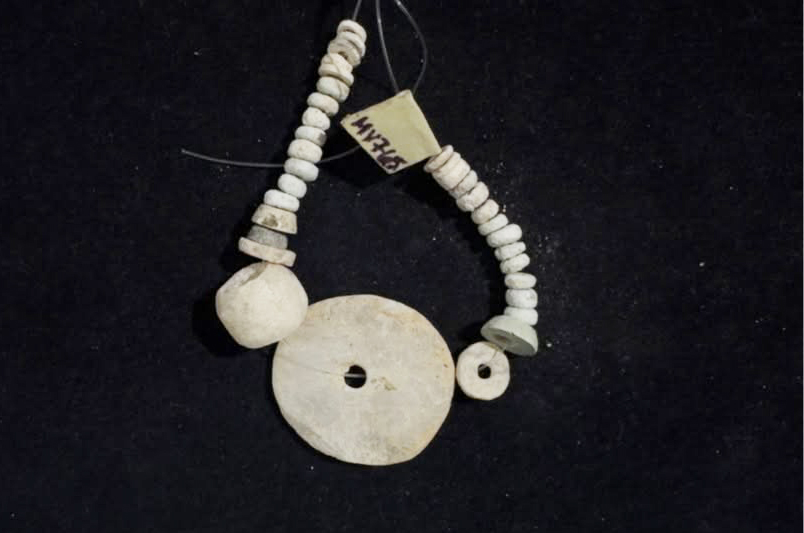
For Emeritus Professor of Classical Archaeology at the University of Cyprus, Demetrios Michaelides these small objects can provide a lot of information about the society that made them. Ancient jewellery, he said, tells us about the “social status, technical knowledge and materials available”, including metals and precious stones brought to Cyprus from elsewhere.
Who could wear it was partly determined by what he or she could afford. According to Michaelides, wealthier people had access to gold, costly gems and enamel, while those with fewer means wore bronze and glass. For men, certain objects could also be linked to authority, such as insignia and items used for sealing or stamping.
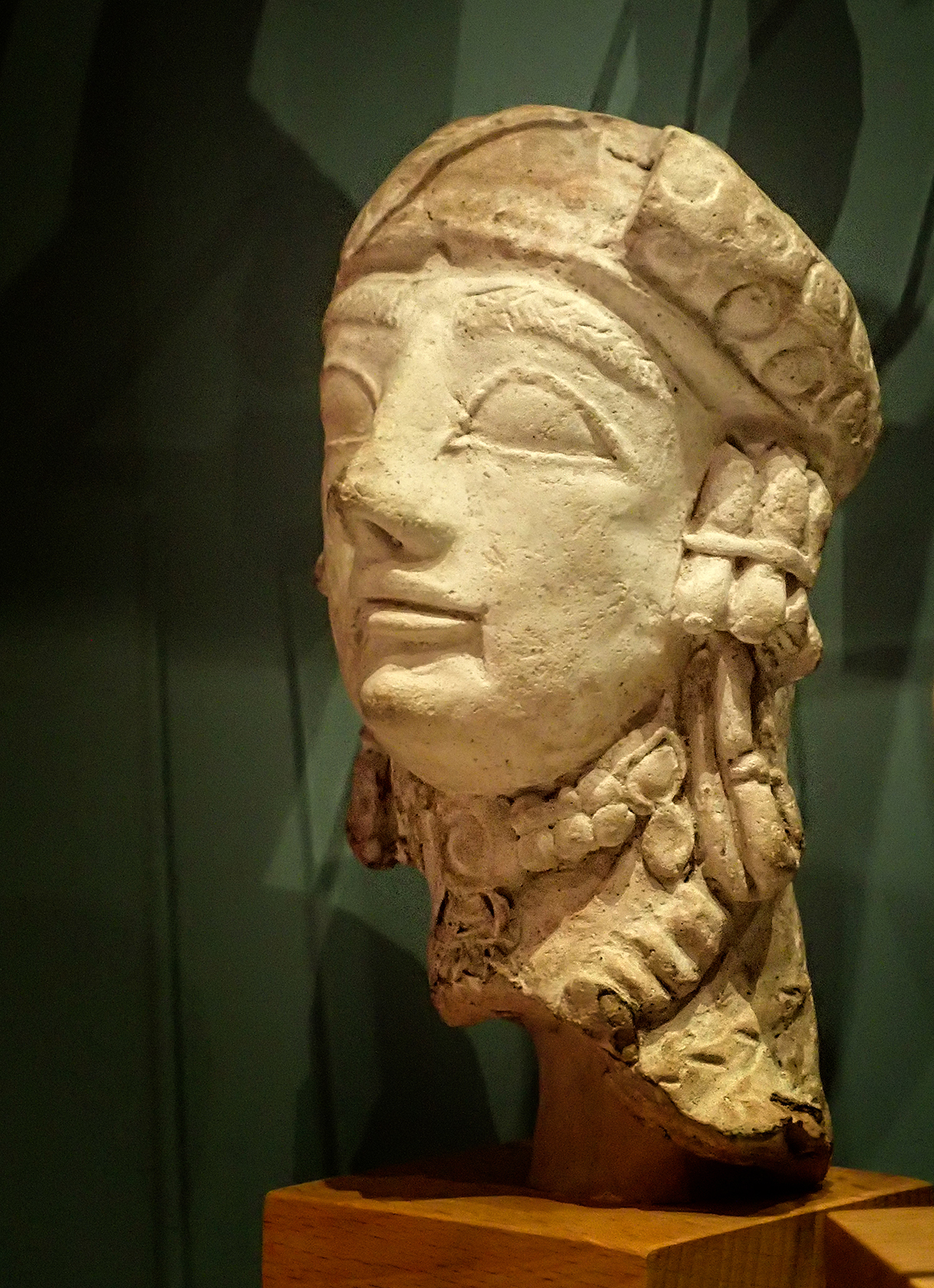
The differences in materials may have been apparent, but jewellery itself would not necessarily belong to only the wealthiest individuals. Michaelides said that, generally speaking, anyone who had the means could wear jewellery.
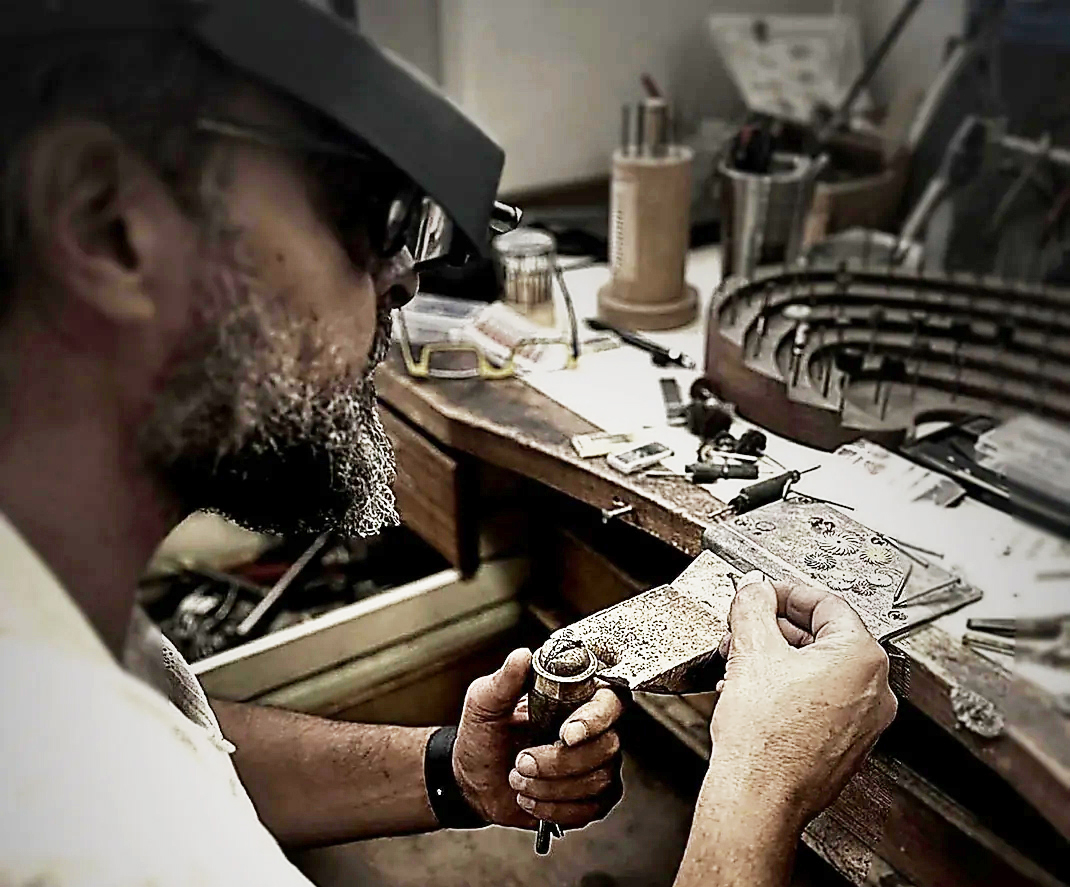
Contemporary Cypriot goldsmith Constantinos Kyriacou sees a surprising familiarity in the work of his ancient counterparts. “As a goldsmith, when I look at these pieces, they don’t really feel ancient to me,” he said. “The tools and surroundings have changed; the fundamental craft has not”.
Although modern tools have sped up the process, Kyriacou believes that an experienced goldsmith using simple hand tools would still be able to create jewellery of comparable quality.
“The degree of difficulty was certainly higher, but I would say the greatest difference was the amount of time required,” he said. “Modern tools have not necessarily changed what is possible. I think they have mainly changed how efficiently we can achieve it”.
Granulation is one example of the skill involved. The technique was used on ancient Cypriot goldwork, including jewellery discovered in the eighth century BC Phoenician tomb at Kition. Flourentzos and Vitobello identified granulation on several objects from the tomb, including a bracelet decorated with rows of tiny gold granules and granulated triangles.
It is not easy to know what these items were thought to represent by the people wearing them. Many pieces of ancient Cypriot jewellery were objects that could have been personal possessions or gifts placed with the dead.
Jewellery could have different meanings
Recent finds at Hala Sultan Tekke offer some clues. A 2026 study examining gold diadems (crowns) and mouthpieces from Late Bronze Age tombs found diadems associated with men, women and even a child. One decorated with a bull motif, imagery traditionally regarded as masculine, was found with a woman aged between 35 and 40.
The objects also show differences in how they were used. Wear evident on some of the heavier diadems suggests that they may have been worn during life before being placed in the tomb. Some of the small artifacts did not show signs of being worn and may instead have been made specifically for burial. The shorter gold mouthpieces appear to have had a different purpose altogether and were placed over the mouth of the deceased as part of the burial.
For Kyriacou, the ancient pieces also offer a connection to the people who made them. Despite the thousands of years separating them, he recognises the patience and concentration their work would have required. “When I look at an ancient piece, I often feel that these people could easily live among us today,” he said. “The surroundings have changed enormously, but human nature has not changed nearly as much.”


Click here to change your cookie preferences