
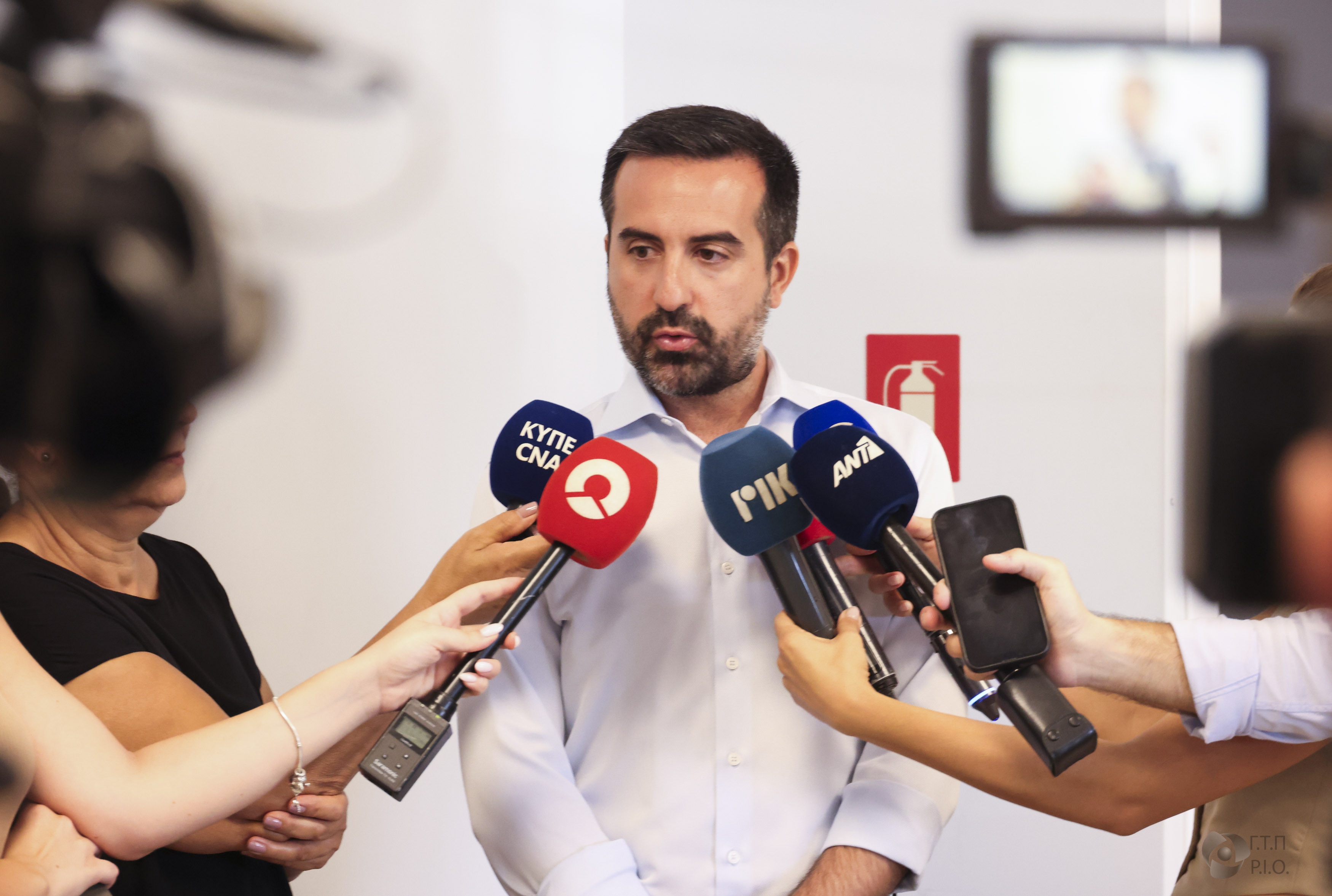
Cyprus is technically ready to become a full member of the Schengen area, with political agreement now the remaining hurdle, Migration Deputy Minister Nicholas Ioannides said on Thursday.
Speaking to reporters in Luxembourg ahead of a meeting of the EU Justice and Home Affairs Council, Ioannides said all recommendations made by the European Commission were now considered to have been implemented.
“From a technical point of view, Cyprus is ready to become a full member of the Schengen area. It is now necessary to reach an agreement at the political level,” he said.
He added that Cyprus was counting on the support of its EU partners in the coming months.
Turning to migration, Ioannides expressed Cyprus’ solidarity with Spain following the recent crisis in Ceuta, saying EU member states facing large-scale migration flows should receive tangible support from the bloc.
“We must act in a coordinated manner to safeguard EU territory and the Schengen area,” he said.
Ioannides also backed closer cooperation with third countries to increase migrant returns, but warned that tougher measures should be considered where countries were unwilling to cooperate.
He said the EU should also improve its situational awareness and early-warning capabilities to better respond to large-scale irregular migration movements.
Asked whether additional EU rules were needed, Ioannides said the new pact on migration and asylum already contained provisions covering situations of force majeure.
He said discussions had also taken place over a new crisis-management mechanism to address outstanding issues, leaving open the possibility of further measures while describing the existing framework as a solid legal basis.
“We are open to discussion and willing to support any initiative that will allow us to effectively deal with such cases of mass flows,” Ioannides added.
The new EU pact on migration and asylum introduces a set of rules to manage migration and establish a common asylum system at EU level, balancing member states’ requirements with the protection of those in need.
It aims to create efficient and uniform procedures, manage arrivals in an orderly way and ensure a fair balance of solidarity and responsibility among member states.
The pact as a whole was adopted by the Council on May 14, 2024 and the rules entered into application on June 12, 2026.





Click here to change your cookie preferences