
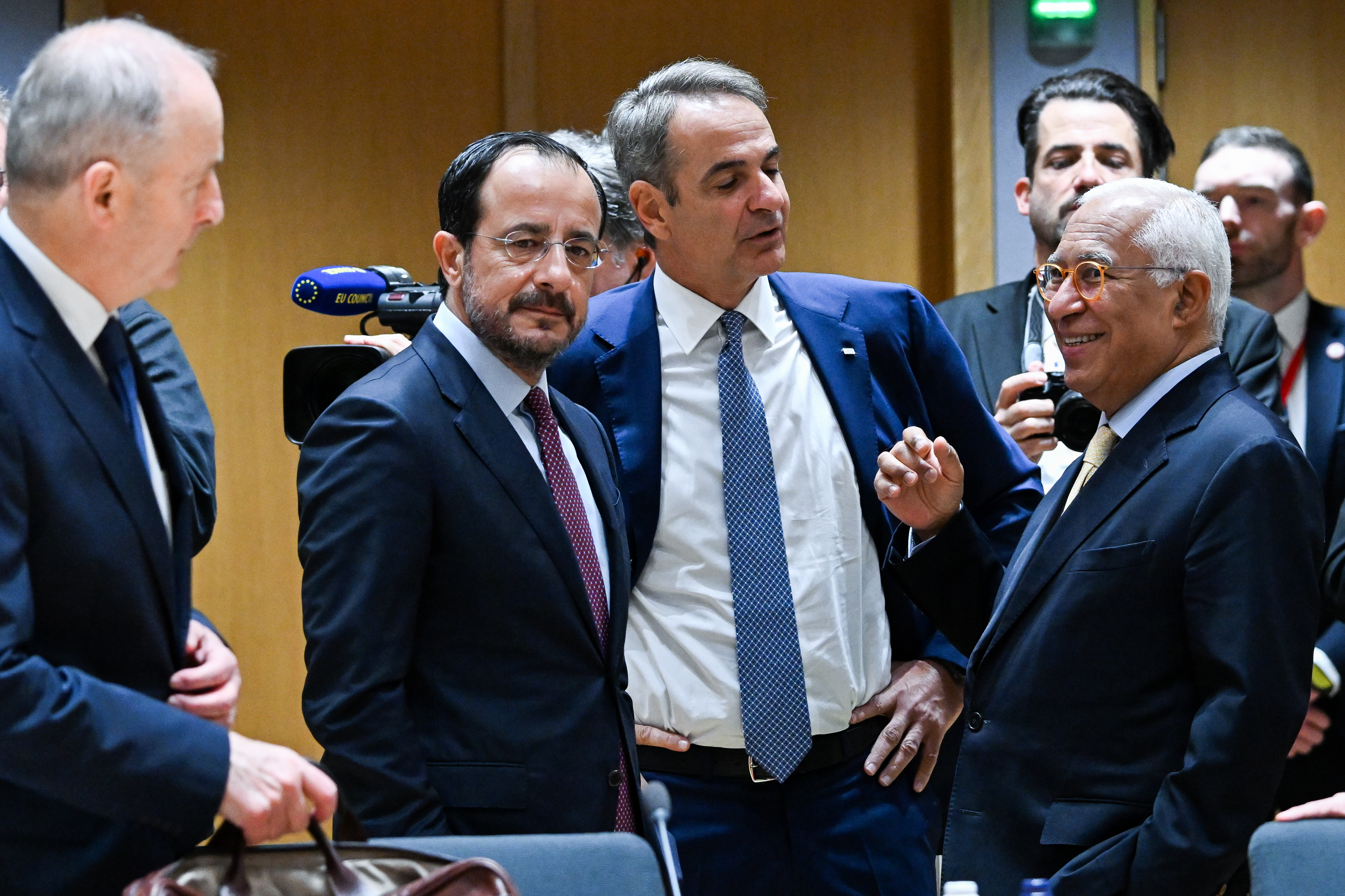
President Nikos Christodoulides on Sunday reiterated his call for local authorities to suggest to the government “projects” to be undertaken using funds he said the Republic of Cyprus has “secured” as part of the European Union’s next multiannual financial framework, despite negotiations to devise that framework being far from over between the bloc’s 27 member states.
“Our country has secured, through a combination of European funds and national financing, a total of €3.5 billion for projects across the Republic of Cyprus. The projects will be determined by cabinet in September 2027. You have ten months to bring these projects to maturity with the assistance of the district governments,” he said.
He added that once those projects are approved by cabinet, they will begin to be implemented “immediately”, and said to this end that “it is, therefore, up to you to develop these projects and bring them forward to us”.
The €3.5bn figure had been earlier explained by Christodoulides as being the sum of the Republic of Cyprus’ contributions to and allocations from the next multiannual financial framework, which is the EU’s long-term budget for the period covering the years between 2028 and 2034.
However, that budget has not yet been agreed upon, and since Christodoulides first announced the €3.5bn figure, the Irish government last week put forward a proposal which forecasts almost €180bn less spending across the board than the Cypriot government’s own proposal, which was published in June.
Three budget proposals have now been made, with the European Commission’s initial proposal, made last year, foreseeing €1.76 trillion worth of spending, while the Cypriot proposal forecast €1.73tn and the Irish proposal forecasts €1.62tn over the seven-year period.
Latest EU budget proposal has €28bn less funding in cohesion, agriculture, social policy
Compared to the Cypriot proposal, based on which Christodoulides likely cited the €3.5bn figure, the Irish proposal has allocated €28bn less to “heading one” which brings together policies related to cohesion, agriculture and fisheries, social, and migration policy.
It is under this heading that infrastructure and social projects would be funded, with the majority of those likely falling under “national and regional partnership plans” – the EU’s allocation to member states to spend on the type of projects to which Christodoulides was largely referring.
The Irish proposal foresees a little under €747bn of funding for national and regional partnership plans, whereas the Cypriot government had earlier proposed that more than €770bn be spent on them, meaning that Christodoulides’ figure was based on a budget which is around three per cent, or €23.5bn, higher than the latest formal proposal.
Were the allocation to which Christodoulides was referring face a cut in line with this, the actual budget allocated to Cyprus, including the Cypriot government’s own direct contributions, could be over €100 million lower than the figure Christodoulides is citing.
Christodoulides said next EU budget may be 10% smaller than first proposal
Not only that, but Christodoulides admitted on Thursday that the overall multiannual financial framework may be more than 10 per cent smaller than the initial proposal submitted by the European Commission in July last year, while he was in Brussels at the week’s European Council summit, negotiating the budget with other EU leaders.
With the Irish proposal having been a little over eight per cent smaller than the commission’s proposal, this would entail further cuts to planned EU spending, and possibly to the cohesion budget and to national and regional partnership plans.
It is expected that the next budget proposal will be proposed by European Council President Antonio Costa, who has said that he will convene an extraordinary summit of the leaders of the EU’s 27 member states on November 26 with the aim of hashing out a deal before the end of the year.
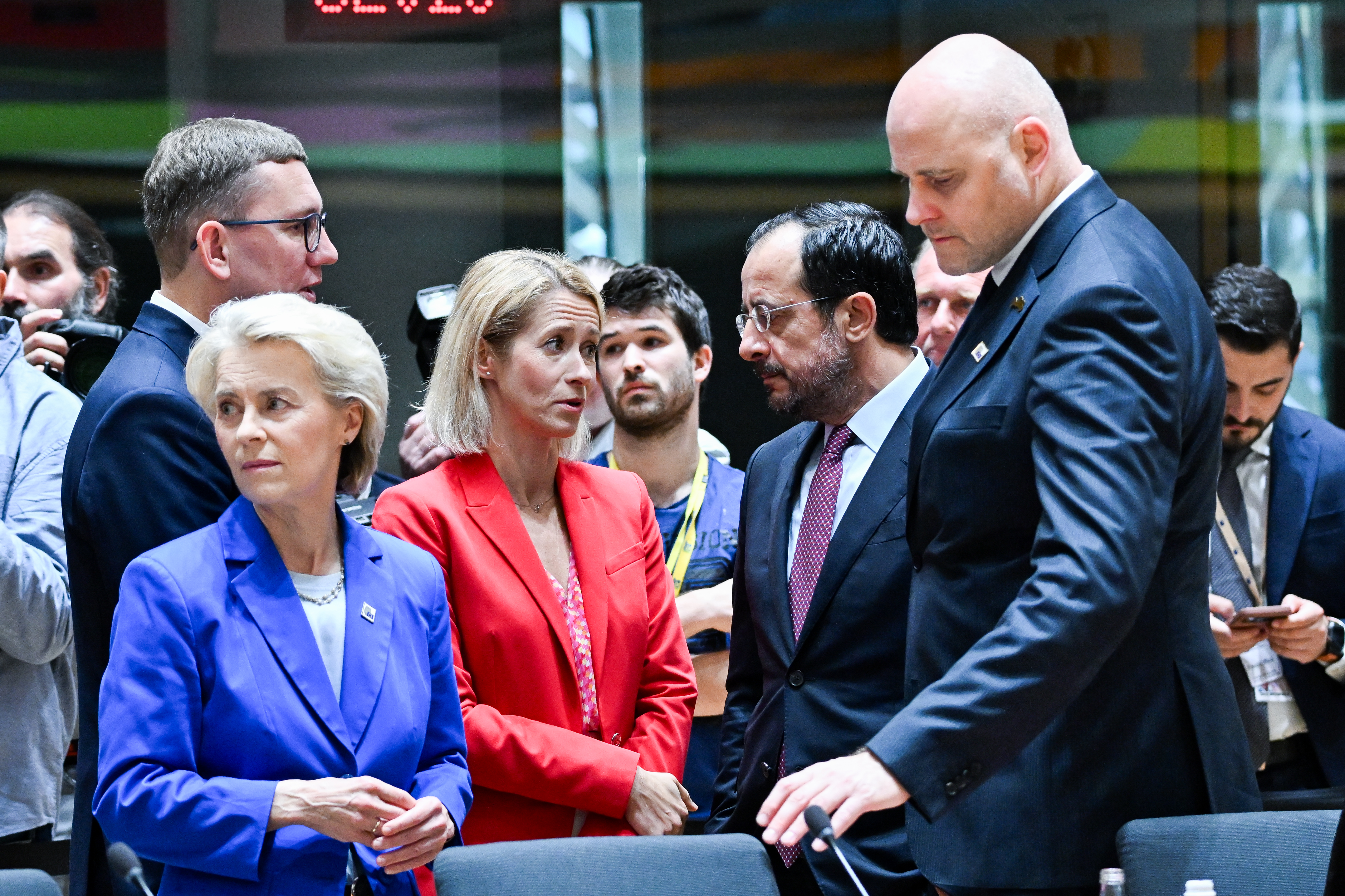
It is widely understood that the EU and its member states hope to reach an agreement on the multiannual financial framework by the end of this year so as to ward off the risk of elections next year in France and Poland – and the possible election of the far right in both countries – derailing efforts to reach an agreement.
On this front, Christodoulides had said while in Brussels during the week that should an agreement not be reached by the end of this year, “I believe we would be sending a negative message, not only to European citizens, but to the world”.
Macron will reportedly refuse to negotiate after end of year
This deadline reportedly hardened during Thursday’s negotiations, with Brussels-based news website Rapporteur writing that French President Emmanuel Macron had told the other 26 leaders that France cannot agree to any budget deal after December, in view of the presidential elections being held in the country in April.
It reported that holding negotiations in the first months of next year would be “too politically sensitive”.
“No one is unaware of the election deadline. I want a substantial budget, but I cannot finalise it on behalf of France between January and April,” Macron reportedly said.
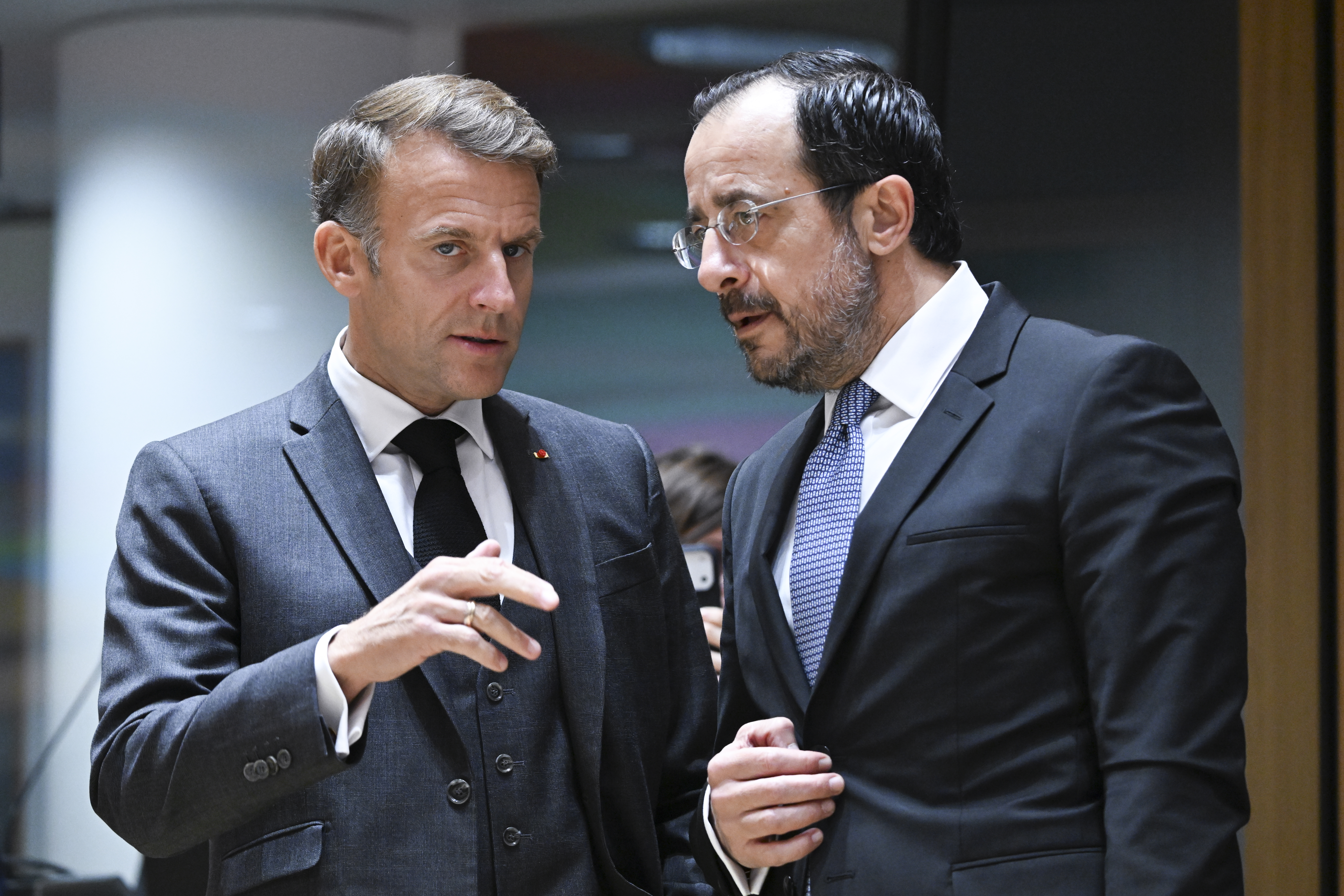
However, snap elections in Spain may have put paid to hopes of an agreement by the end of this year, with Spanish Prime Minister Pedro Sanchez sending his country to the polls after its parliament voted down emergency legislation aimed at stemming rising housing costs.
That election will take place on November 29, with it currently appearing likely that the centre-right PP and far-right Vox party will both make gains, though Sanchez’s centre-left PSOE may still be able to form a coalition after the election.
As such, Costa’s planned extraordinary meeting will take place just three days before the Spanish election.
Of this, Christodoulides told Politico on Thursday night that “everybody used to understand that we need to finish a political agreement by the end of the year”, but that “now, with the situation in Spain, elections there”, this may be less possible.
EU leaders reached an agreement in July last time out
Should an agreement not be reached by the end of this year, matters may go to the wire, with the next French president unlikely to take office in mid-May, and it possible that the winning candidate there could change the complexion of the negotiations and the overall political character of Europe.
The elections in Poland will take place in November at the latest, meaning there could be a mad dash to the finish for those negotiations, particularly with the legislation which follows the agreement typically taking months to negotiate with the European Parliament, draft, and ratify.
For the last multiannual financial framework, EU leaders reached an agreement in July 2020 – five months out from its implementation – before then negotiating with the European Parliament until November, with member states then finalising their adoption of the agreed budget on December 14, 2020, and the parliament voting it through two days later.




Click here to change your cookie preferences