
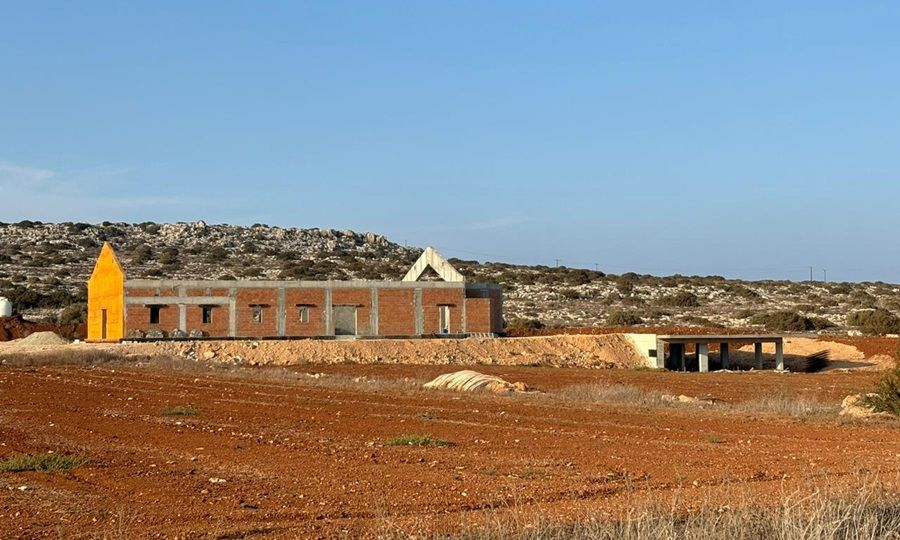
Environmentalists have called on the cabinet to refuse a planning permit for a monastery built without permission in the Cape Greco protected area.
The ecologists urged the government to reject the application for the planned monastery of Saints Ephraim and Catherine, and order the demolition of any illegal structures presently built.
The party said the development sits within the Natura 2000 network and a nature protection zone, and that the required environmental assessments were not followed.
“Illegality cannot precede and licensing follow,” the statement said, warning that legalising work after the fact sets “a dangerous precedent”.
It said, “respect for the church” could not mean applying the law differently, and that “Natura 2000 areas cannot be selectively protected”.
The planning council voted four to one in favour of allowing construction to continue, with the representative of the technical chamber (Etek) the only objector.
A further meeting is set for October 30 before a reasoned recommendation goes to the cabinet, which alone decides.
The environment department did not evaluate the application as the project is already well advanced, and recommended a negative response.
The urban planning department likewise advised against, saying the project conflicts with nine provisions of the Paralimni, Ayia Napa and Deryneia local plan.
Etek president Konstantinos Konstantis said the interior minister “correctly started the procedures” and that the demolition decision must be enforced.
He argued that legalising work retrospectively undermines the credibility of the planning system, and Etek has also moved to refer the project’s architects and engineers to its disciplinary board.
The dispute dates to early 2024, when the Bishopric of Famagusta began building at the Mazeri tou Koukou site without environmental and planning permits.
Ayia Napa municipality and the town planning department issued enforcement notices in spring 2024, whereupon an appeal was subsequently rejected by the courts which refused a stay of execution, yet the structures remain.
Earlier opinions from Attorney-General George Savvides held that projects begun unlawfully inside Natura 2000 areas cannot be assessed retrospectively.




Click here to change your cookie preferences