

Cyprus’ expanding security relationship with the United States is strengthening its deterrence against Turkey, but Washington remains cautious over arms transfers and continues to take Ankara’s concerns into account, according to an analysis published by Foreign Policy.
In an article published on November 3, titled The Quiet Revolution in US-Cypriot Relations, analysts Alan Makovsky and Jonah Brody argue that Washington increasingly sees Cyprus as a strategic partner rather than simply an unresolved political problem.
“Cyprus is emerging as a security producer for the United States and the West,” they write, describing a transformation driven initially by Nicosia and encouraged by deteriorating US-Turkish relations.
The authors mention the role of former US Assistant Secretary of State for European and Eurasian Affairs A. Wess Mitchell, whom they describe as a key architect of Washington’s changing approach to the Eastern Mediterranean. In congressional testimony in 2018, Mitchell challenged the longstanding American approach of treating Turkey as the region’s principal strategic anchor while viewing Cyprus largely through reunification negotiations. He instead identified new strategic opportunities in Greece and Cyprus.
The shift has been accompanied by expanding military cooperation, including joint exercises, training programmes and infrastructure projects.
The analysis looks at the US funded assessment worth approximately $588,000 in 2025 to bring the Andreas Papandreou air base in Paphos up to Nato standards, while a US-funded heliport at the Evangelos Florakis naval base will accommodate large military helicopters.
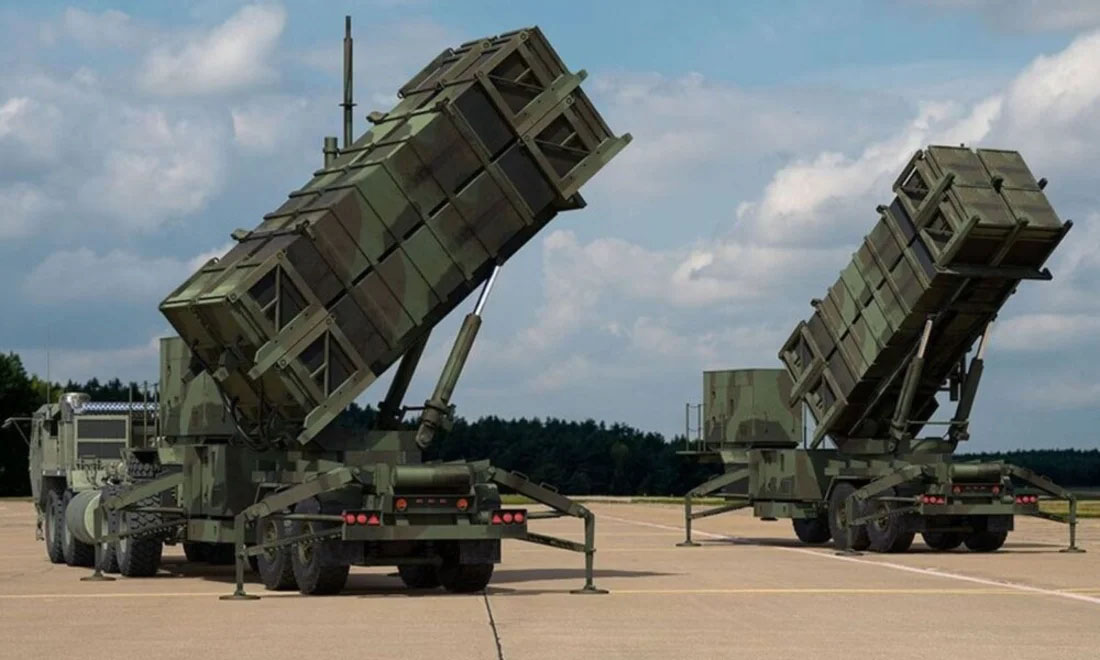
However, the authors also highlight Washington’s caution over military equipment, noting that it had yet to act on a Cypriot request for surplus American defence articles submitted more than a year earlier.
They also draw a comparison between Turkey’s threatened military response to Cyprus’ planned acquisition of Russian S-300 missiles in 1997 and its more restrained reaction to the Israeli Barak MX air defence system in 2024, suggesting that closer US-Cyprus security ties may have contributed to the difference.
Cyprus’ growing defence relationship with Israel provides another dimension to this shift.
In September, the Israeli embassy in Nicosia told the Sunday Mail that the relationship was based on “mutual trust, shared interests and a commitment to regional stability”.
The embassy welcomed Cyprus’ efforts to develop its domestic defence industry, pointing to opportunities for joint projects and technology cooperation. It also stressed the importance of trilateral cooperation between Cyprus, Greece and Israel in strengthening regional security.
That cooperation has since been reflected in further acquisitions.
Cyprus has defended its right to pursue such partnerships despite Turkish objections; in an interview with the Cyprus Mail, Defence Minister Vasilis Palmas said the Republic was entitled to develop defence relations with any country it considered appropriate.
“The security of our citizens is non-negotiable,” he said, rejecting suggestions that Cyprus should seek approval from other countries over its defence agreements.
The Foreign Policy analysis nevertheless warns that closer alignment with Washington and Israel carries potential consequences, including the possibility of Cyprus becoming caught up in regional conflicts or tensions between Turkey and Israel. It also raises the risk of a future US administration scaling back its security commitments, leaving Nicosia increasingly dependent on partnerships that do not amount to formal defence guarantees.
Cyprus remains outside Nato, has no formal military alliance with Washington and hosts no permanent American bases, while its unresolved division continues to limit the extent of cooperation, it states.
For Makovsky and Brody, however, the broader transformation is already evident. “Cyprus is now actively using its geography and growing strategic importance to change its geopolitics,” they write.


Click here to change your cookie preferences