
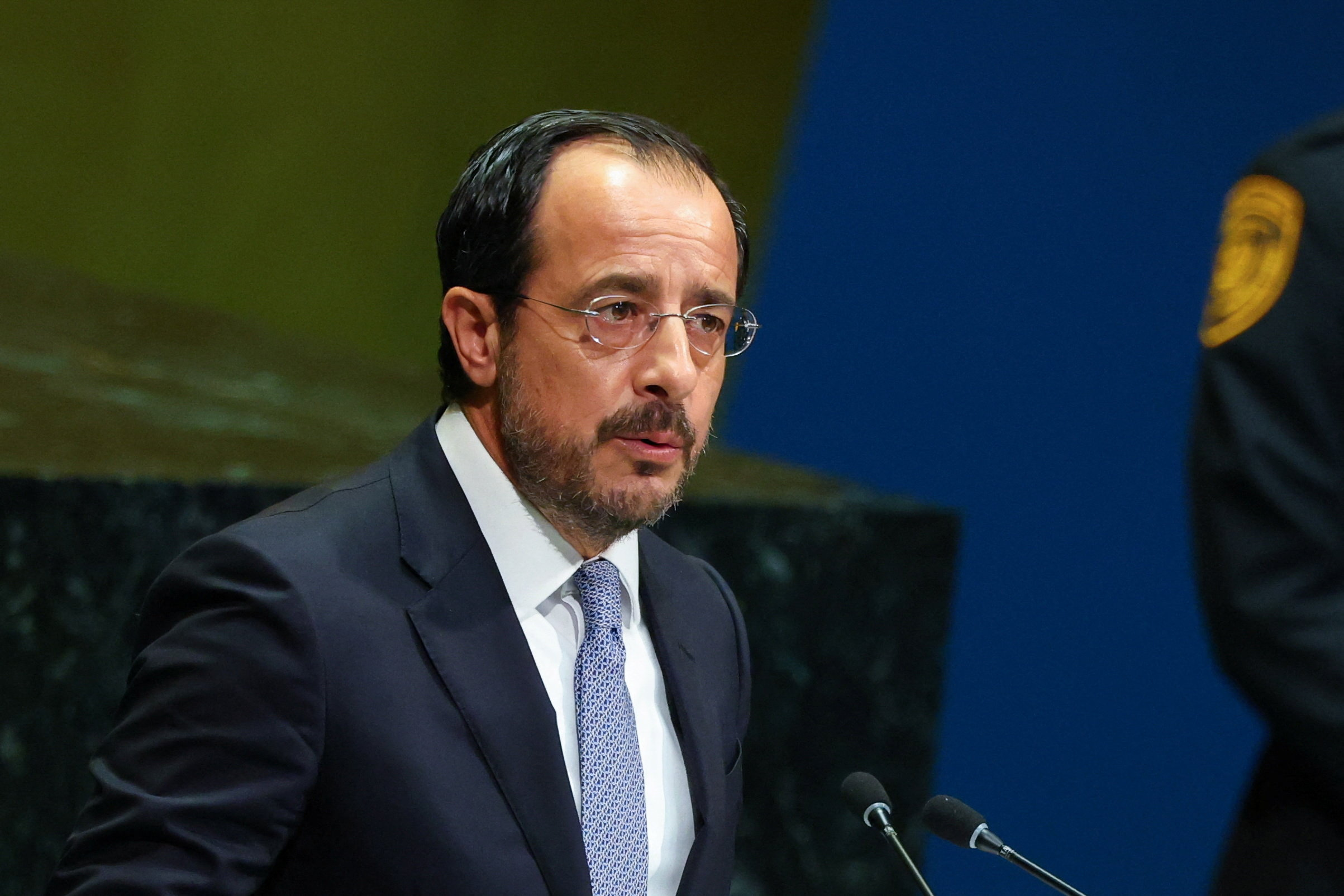
Cyprus will announce new features for its Digital Citizen app “in the coming days”, President Nikos Christodoulides said on Wednesday, as he set out plans for closer cooperation with Greece on artificial intelligence, civil protection and European affairs.
Speaking at the fourth Greece-Cyprus Strategic Horizons Forum in Nicosia, Christodoulides urged companies to turn the two countries’ close political ties into “productive partnerships, investment and new opportunities”.
He called closer cooperation “imperative”, citing disruption to trade routes and high energy costs linked to conflicts around the world. Joint initiatives, he added, could help attract investment and support growth across the region.
He pointed to Digital Citizen as an example of what the two countries had already achieved. Cyprus drew on Greek expertise to give people access to official documents on their phones.
The Cypriot app now works with Greece’s Gov.gr Wallet, allowing both countries to recognise each other’s digital identity cards and driving licences.
The forum took place on the same day as the fourth Cyprus-Greece intergovernmental summit at the Presidential Palace.
Christodoulides traced the annual meetings to an agreement he reached with Greek Prime Minister Kyriakos Mitsotakis in Athens in March 2023. The meetings, he said, had produced “tangible results” in modernising public services, supporting businesses and improving everyday life.
At this year’s summit, Cyprus was due to share what it learnt from chairing the Council of the European Union in the first half of 2026, before Greece takes over in the second half of 2027. Christodoulides argued that a more competitive single market would give the EU more scope to act independently.
The talks on artificial intelligence followed EU leaders’ first dedicated discussion on the subject in Dublin on November 13, where they examined how AI could improve Europe’s competitiveness and what risks it poses to society. Christodoulides said Cyprus and Greece could bring businesses, universities and research institutes together to “link research with production”, raise productivity and attract investment.
On civil protection, he said “the two governments would look at how to improve public safety and prepare for the effects of climate change.”
Turning to the Cypriot economy, Christodoulides put cumulative growth at more than 18 per cent over 2023 – 2025. The latest figures from the statistical service (Cystat) show that real GDP rose by 6 per cent in 2023, 6.6 per cent in 2024 and 4.8 per cent in 2025, equivalent to about 18.4 per cent cumulative growth over the three years.
The president said “Cyprus had added more than 60,000 jobs and unemployment had fallen below 4 per cent.”
He also pointed to the restoration of Cyprus’ sovereign credit ratings to the A range across the major ratings agencies, a position it last held in 2011.
He said “the tax reform that took effect on January 1 was designed to distribute the tax burden more fairly and raise disposable income for households and businesses.”
He identified the middle class, families, young people and Cypriot businesses as priorities for government policy.
Greece remains Cyprus’ largest source of imports, Christodoulides said, with companies from both countries already working together in energy, tourism, shipping, services and technology.
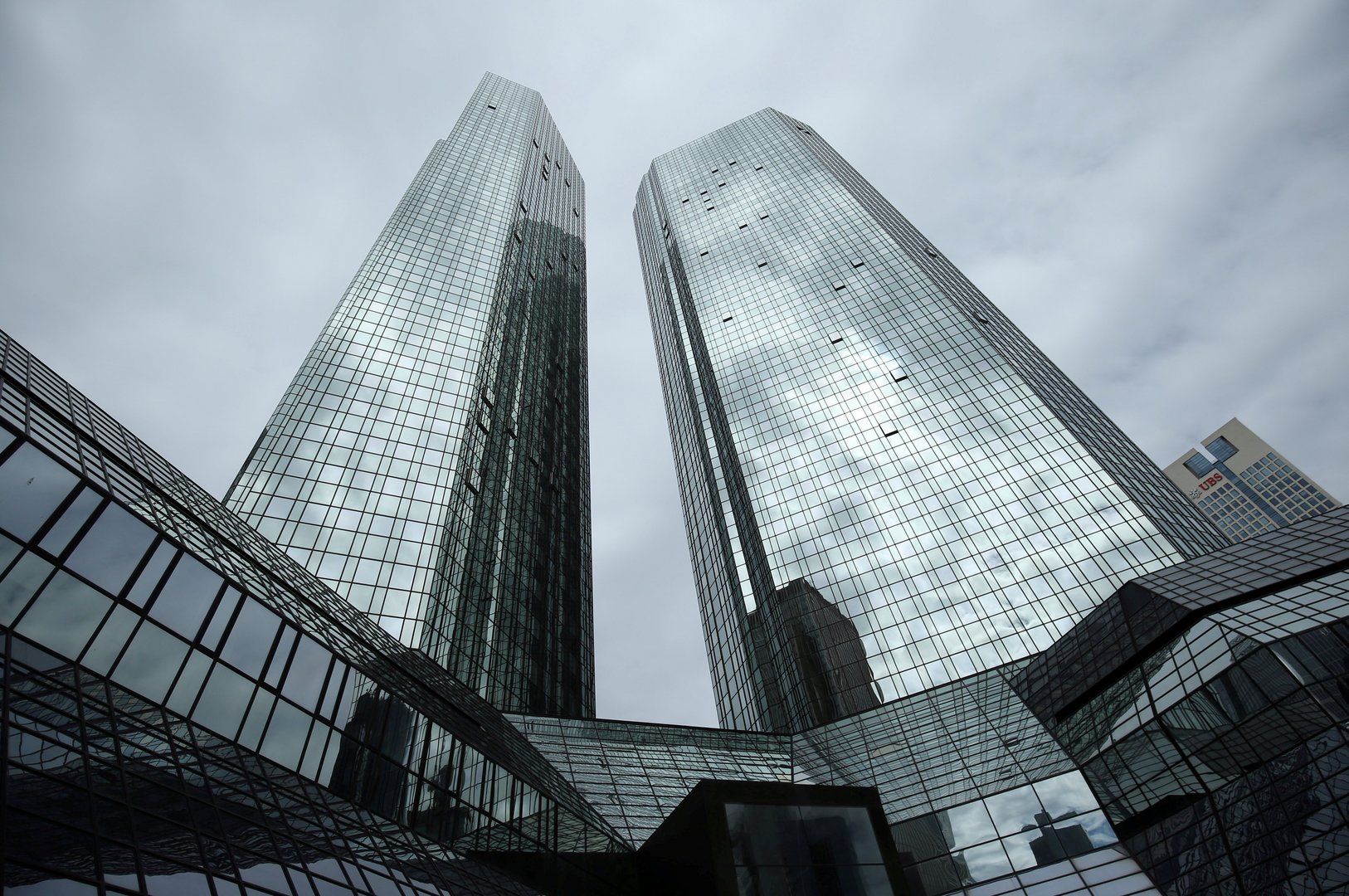
He concluded that “Greek banking groups had widened access to finance in Cyprus and urged businesses at the forum to use those ties to develop joint projects.”



Click here to change your cookie preferences