
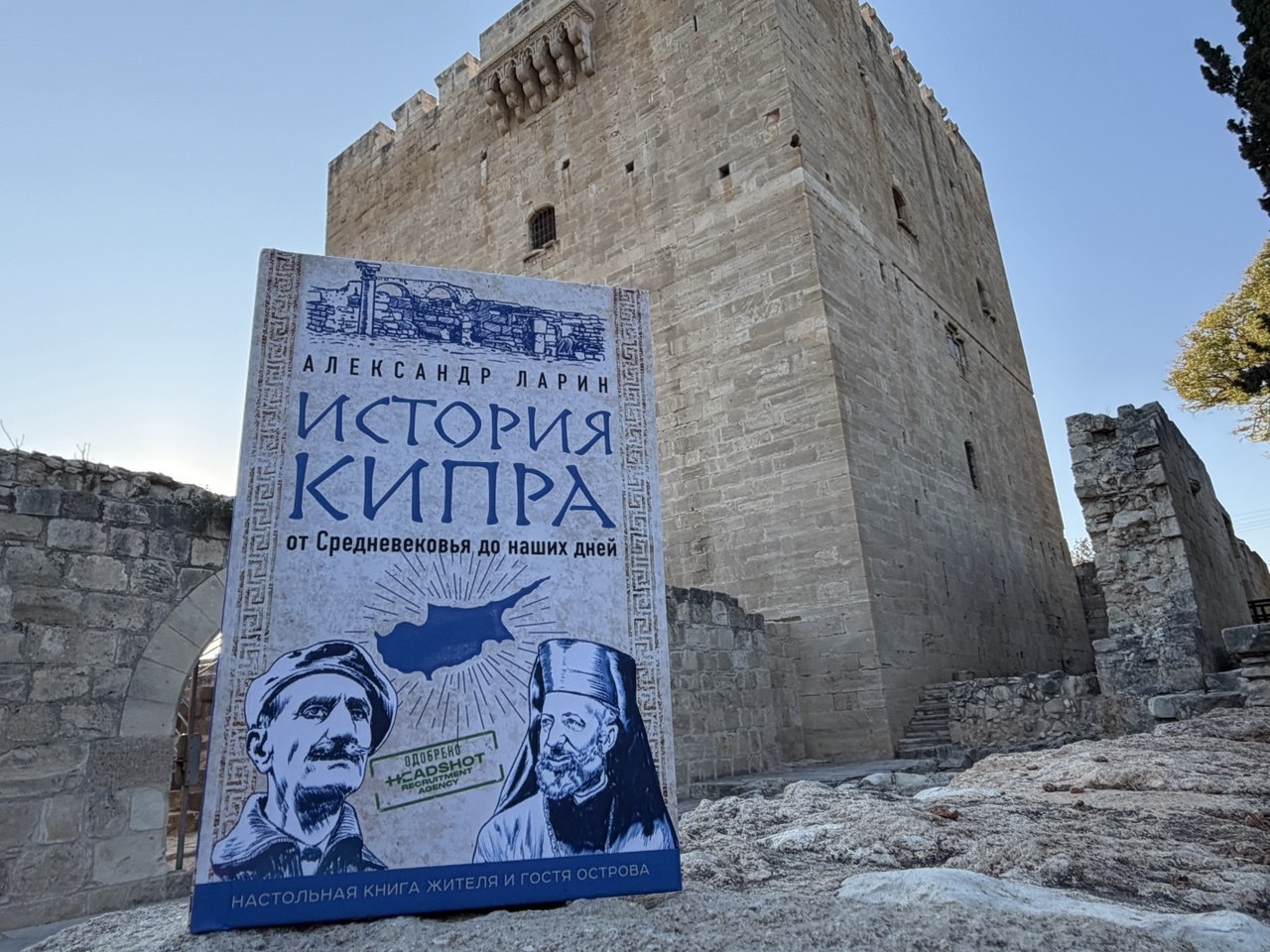
After a decade researching historical documents, newspapers and sites across the island, Alexander Larin has written a Russian-language account of Cyprus’ past
Someone may live on Grivas Street, commute to work along Spyros Kyprianou Street or have an office on Makarios Avenue without knowing anything about who these people were and what role they played in Cyprus’ history.
This is an example Alexander Larin gives when describing what he sees as a gap in historical knowledge among Russian-speaking residents on the island. “Most Russian-speaking residents of Cyprus have only a superficial knowledge of the island’s history,” he says, arguing that many have lived here for decades without knowing much about the country’s past.
Making Cyprus’ history accessible
Larin, a journalist, writer and historical researcher who has lived in Cyprus for more than ten years, hopes to fill that gap with his book The History of Cyprus: From the Middle Ages to the Present Day written in Russian. “It may sound a little ambitious, but my goal is to turn my readers into Cypriots,” he says.
His area of specialisation is European history between the two world wars, and he was surprised to discover how little Russian-language material was available about Cyprus’ 20th century history. After arriving in Cyprus he began researching individual historical events and publishing articles online. Eventually, he gathered enough material to consider compiling it into a book.
Larin aimed to produce something accessible to people living and working in Cyprus, as well as visitors, rather than an academic publication aimed at specialists. “There are publications and books about Cyprus available in Russian, but as a rule, they focus on the island’s ancient history and are often written in complex academic language,” he explains.
As Larin sees it, the lack of accessible information about more recent periods makes it harder for Russian-speaking residents to understand the island’s history. He points to many who may be familiar with names of notable Cypriot figures from street signs but know little about their role in history.
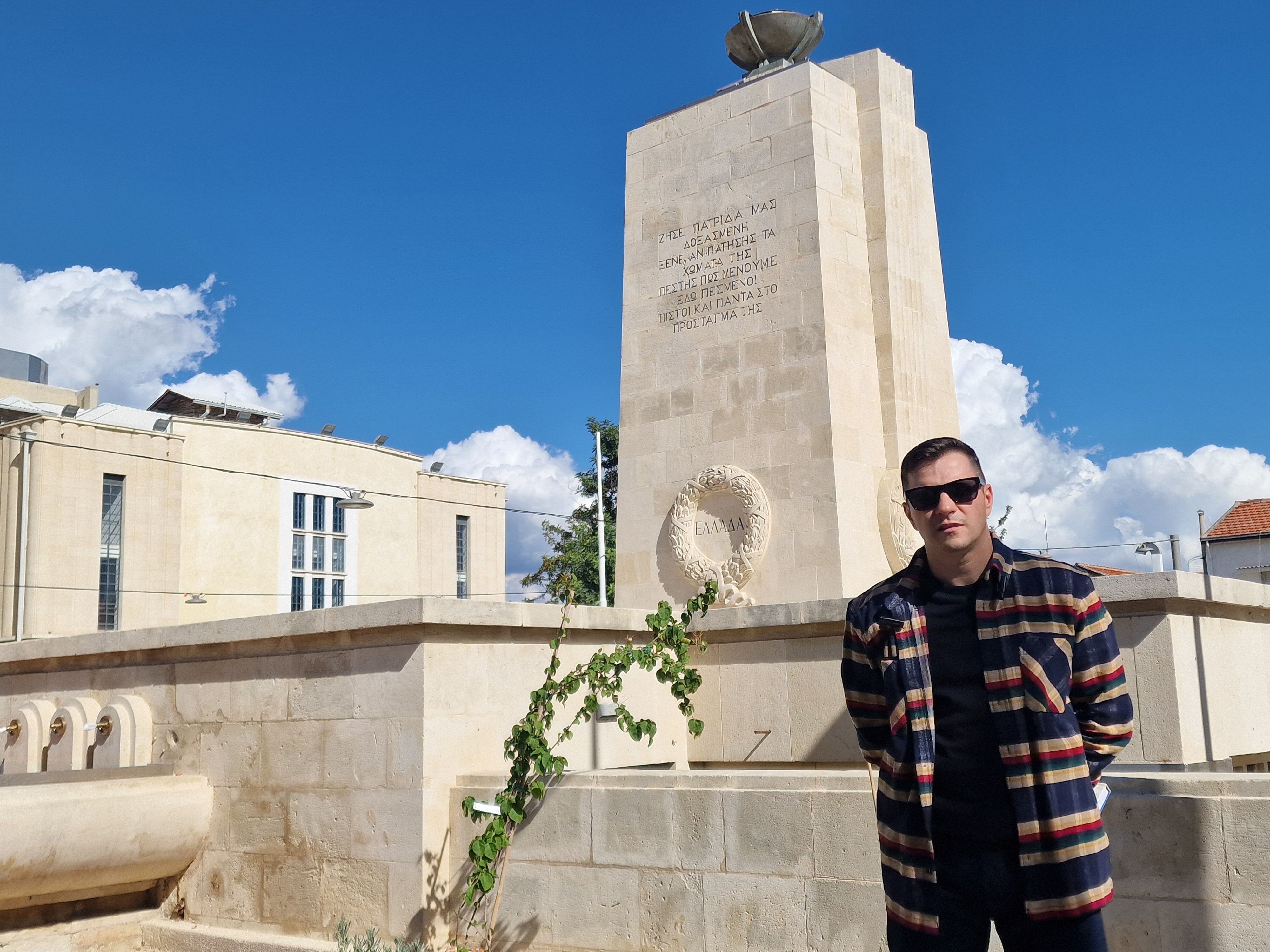
“Understanding the history of the country you live in is an essential part of integration,” he says. “It helps you better understand the local society, its culture, political characteristics, and even everyday habits.”
A decade researching the island’s past
As for what sets his book apart, Larin makes clear that he did not intend to offer fundamentally new interpretations of Cyprus’ history. Instead, he wanted to bring together an account of modern and contemporary Cyprus using historical figures, specific locations and lesser known episodes, while drawing on sources that sometimes presented different accounts of the same events.
The project took approximately ten years, although he stresses that this was a period of gathering material rather than continuous writing. He estimates that he consulted roughly 100 books, “The result was a real assortment of opinions and perspectives: books published by Ekdoseis Epiphaniou, major historical works such as those by Katia Hadjidemetriou, accounts by travellers and researchers such as Einar Gjerstad, memoirs by Cypriot political figures including Georgios Grivas, Georgios Vassiliou and Glafcos Clerides, as well as the controversial works of Makarios Drousiotis.”
He also worked with historical newspapers and magazines, available through the digital archives of the Cyprus Press and Information Office.
Beyond the written sources, he travelled extensively around the island, visiting historical sites and museums that rarely feature on tourist itineraries. “For me, it was important not only to read about a particular event, but also to see the actual place where it happened and understand its geographical and historical context.”
The events that shaped modern Cyprus
The 1960s were among the periods that particularly interested him. He refers to Archbishop Makarios’ proposed constitutional amendments, the intercommunal violence of December 1963 and the Battle of Tillyria in 1964. “In my view, 1963–1964 marked a turning point in the modern history of Cyprus, largely shaping the course of events that followed on the island.”
Other events that caught his attention included those of July 9, 1821, and intercommunal unrest during the Kataklysmos festival in 1912.
Larin has also researched the history of Russians in Cyprus, including White Russian émigrés and the Doukhobors, a religious community persecuted in the Russian Empire. But neither group features in his book, as he does not consider their impact on the island’s history significant enough to warrant inclusion.
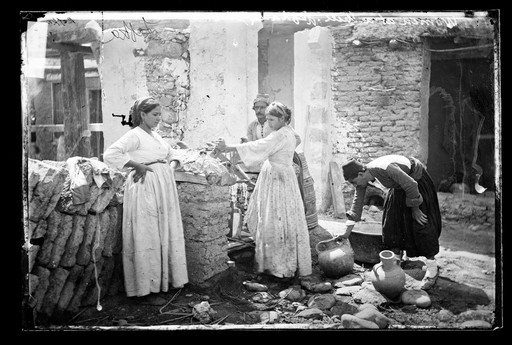
His book does, however, mention two earlier travellers connected with Russian history: Abbot Daniel, who visited Cyprus in 1104-1105, during a pilgrimage to the Holy Land, and recorded his journey in what became one of the earliest Russian pilgrimage accounts. Vasily Grigorovich-Barsky visited four times in the 18th century, documenting monasteries and churches and producing detailed drawings of their architecture. His accounts and illustrations provide a record of Cyprus in the 18th century, some of which is included in the book.
History as a path to integration
When writing about the events of 1974, Larin says he relied on historical documents and the chronology of events. “It was important to me to show that the tragedy of 1974 did not emerge out of nowhere. It was preceded by decades of intercommunal tensions and political crises.”
And Larin hopes the book will encourage readers to explore the island’s history for themselves. “Working on the book helped me better understand Cypriot identity and become as fully involved as possible in the island’s cultural life.”
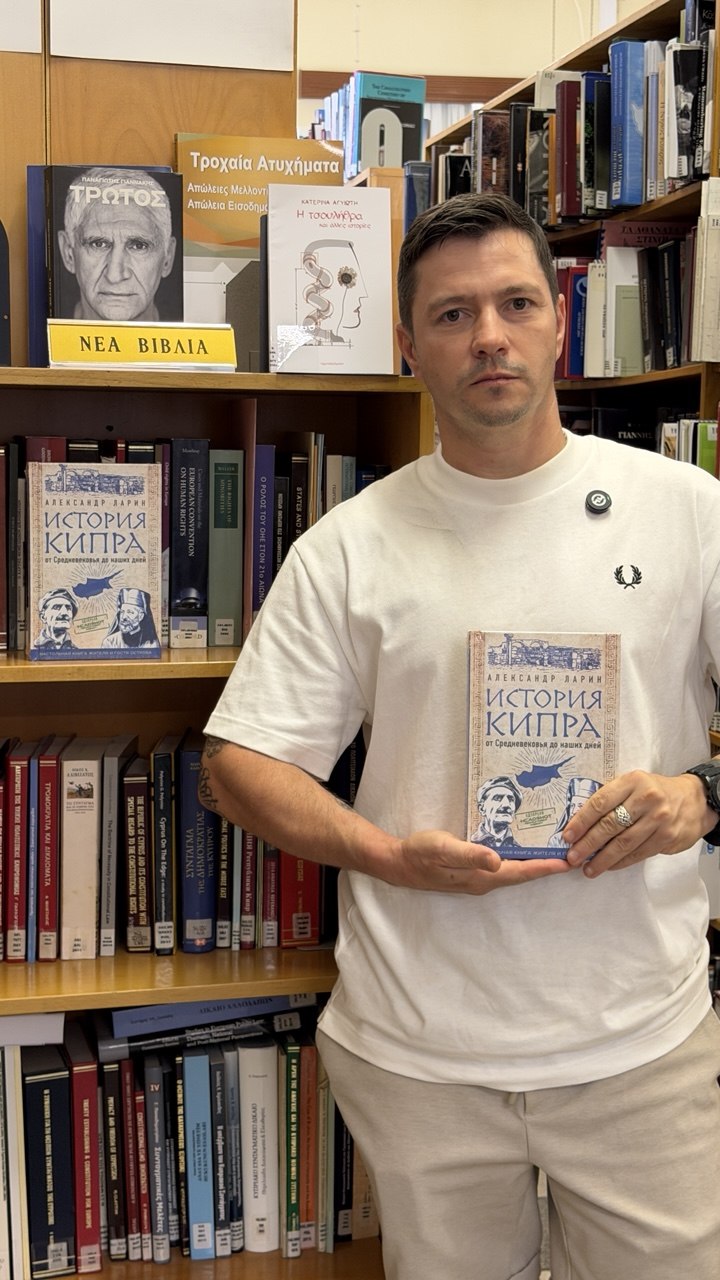
The History of Cyprus: From the Middle Ages to the Present Day is available for €35 from Kyriakou Bookshop in Limassol and from Bookberry either online or in Limassol, Larnaca and Paphos


Click here to change your cookie preferences