
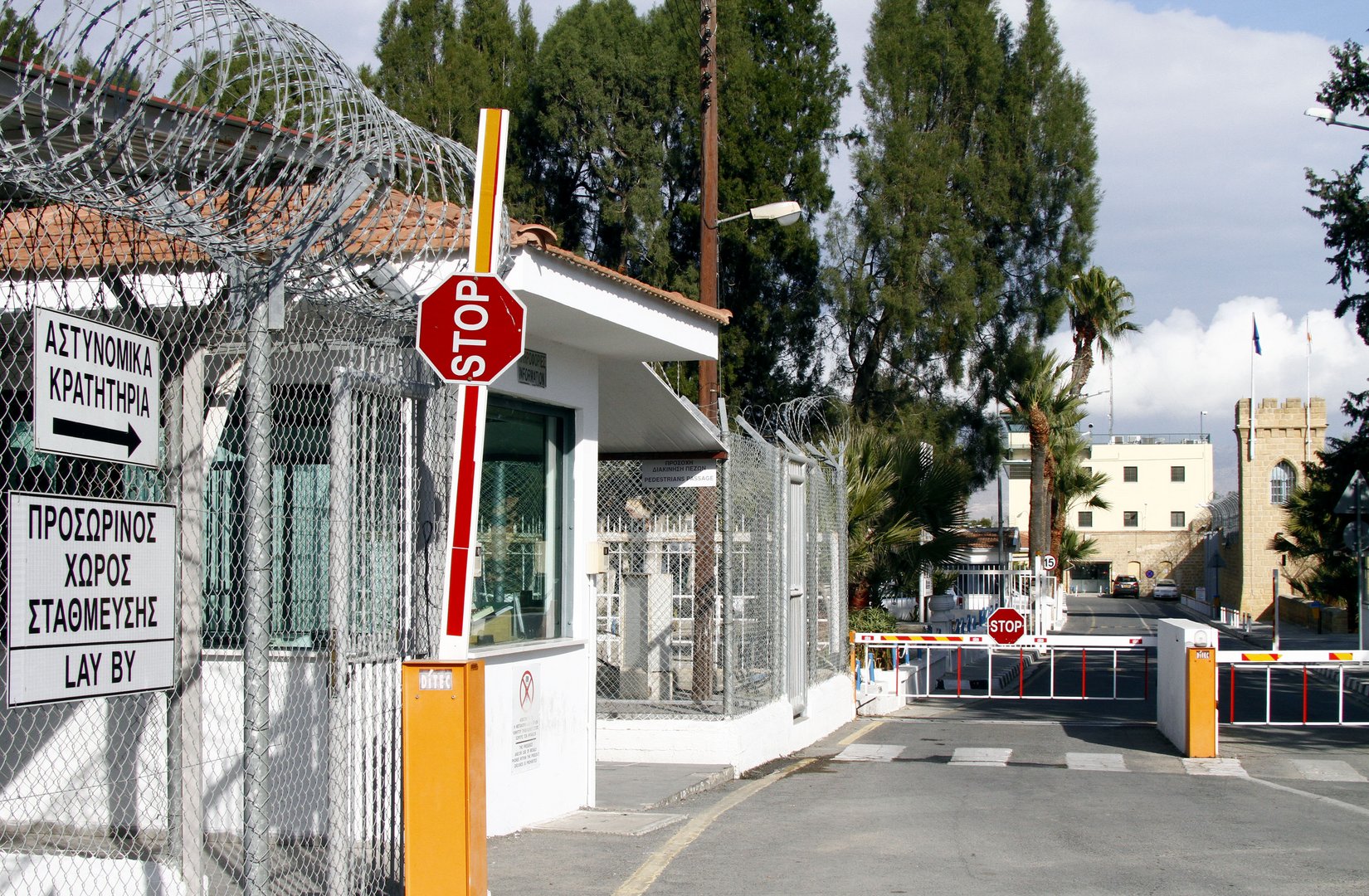
The Council of Europe’s committee for the prevention of torture warned of “serious problems” at Cyprus’ central prison in Nicosia and said it had “grave concerns” over “the high levels of inter-prisoner violence” at the facility.
In a report written pursuant to a visit to the island in April, it spoke of a “failure of prison staff to ensure the safety of those in custody” and said that this has been brought about in part thanks to a “chronic shortage of frontline officers”.
This shortage, it said, “has allowed stronger prisoner groups to dominate and impose informal punishments, undermining safety and order”.
“The Cypriot authorities need urgently to recruit and train more staff to regain control of the prisons as well as to review the prison’s violence prevention policy,” it said.
It added that living conditions for inmates at the prison “remain very poor” and are “affected by severe overcrowding” and said that “up to four prisoners” share cells of less than six square metres in area.
In those cells, it said, “two persons are forced to sleep on mattresses on the floor, when such cells are scarcely sufficient for one person”.
Additionally, it said that access to toilets in the prison is “inadequate” for inmates, and that more than half of the prisons’ blocks are “lacking in in-cell sanitary facilities”.
“Due to the lack of staff available to let prisoners out of their cells to use the block’s toilets during the night, prisoners had to resort to urinating in bottles and, at times, defecating in bags. The committee considers this practice degrading,” it said.
The report also referred to the situations faced by children and young adults who are incarcerated in Cyprus, saying that the conditions in which they are held are “unsuitable and unhygienic”.
“Some minors have been sleeping on mattresses on the floor in mouldy, graffiti-covered cells and lacked access to education or purposeful activities. Many children reported being cold, hungry, and bored,” it said.
It added that the central prison, where young offenders are held, is “an inappropriate place to hold children”, and as such called for “their swift transfer to a facility suitable for minors”.
It then said that for all inmates, “healthcare provision at the Nicosia central prison remains insufficient” and stressed that medical confidentiality should be strengthened.
To do this, it said, “medication should be distributed by healthcare staff and not by custodial officers”.
It also said it “urges the authorities to develop a comprehensive suicide prevention policy and to strengthen responses to substance abuse”.
As well as the central prison, the report also highlighted issues faced at other detention facilities on the island, stating that people “continue to be detained in police custody for prolonged periods, in many cases for months, in conditions which were usually appropriate only for a few days”.
“Most detained individuals stated that they were treated correctly by the police; nevertheless, a few allegations of physical ill-treatment and verbal abuse were received. The authorities should reinforce a zero-tolerance policy towards any ill-treatment practices,” it said.
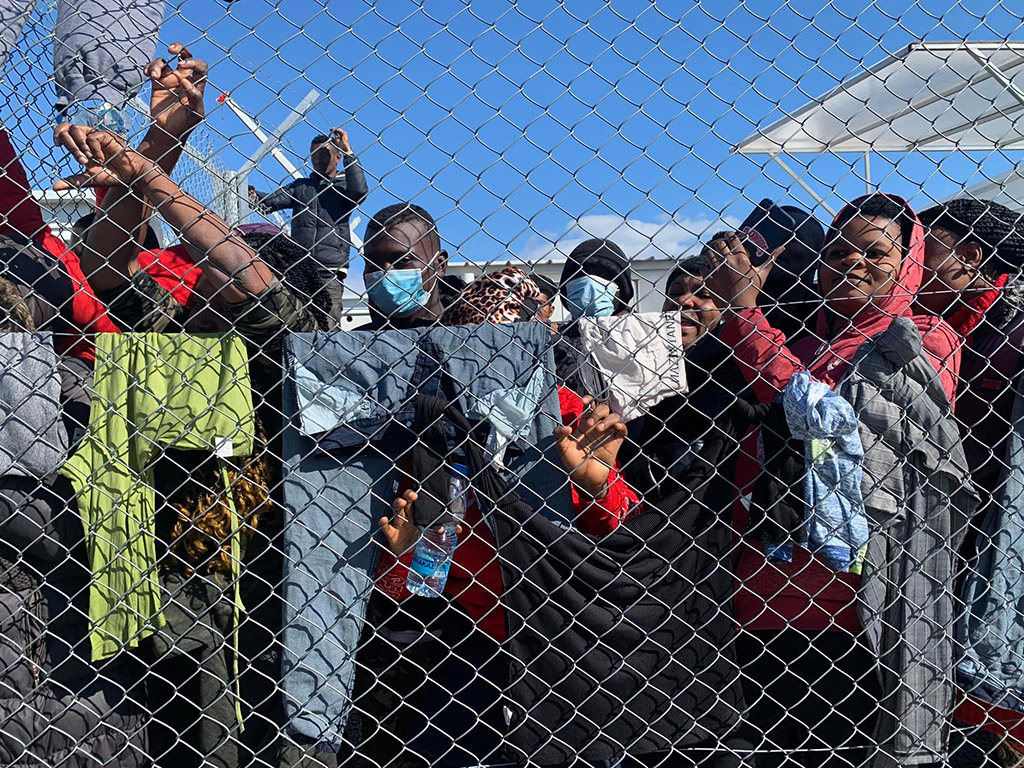
The Pournara migrant reception centre was also referred to by the report, which stated that the situation “had vastly improved” since the committee visited it last in 2023.
“Nevertheless, asylum seekers could remain in the centre for months while awaiting test results, notably age assessments. The problem was particularly acute for unaccompanied boys, who were being held in overcrowded and less appropriate accommodation,” it said.
It added that “detention should only be used as a last resort” for asylum seekers.
The report also criticised the “limited access to mental healthcare” at Pournara, as well as “the lack of structured activities for adults” and “the near-total absence of educational or recreational opportunities for children”.
It also said vulnerability assessments for those held at Pournara “remained inconsistent”, and that even for those who were identified as vulnerable, protection was “minimal”.
As such, it said the Cypriot authorities should “ensure that all detained asylum seekers receive an individualised detention order outlining the reasons for their detention, its legal safeguard, and avenues for appeal”, while also calling for “immediate steps to end the detention of children, including unaccompanied and separated minors”.
The report’s release comes just three days after a 35-year-old man was killed in the central prison, with another inmate having been arrested on Monday on suspicion of premeditated murder.
Newspaper Phileleftheros reported that the man was an Egyptian national, and that the 30-year-old who was arrested on Monday entered the 35-year-old Egyptian’s cell and left it in 10 seconds.
Police investigator Yennadios Ioannou told a court on Monday that the suspect admitted to arguing with the victim and punching him.
On Wednesday, the newspaper reported that Justice Minister Costas Fitiris will visit the central prison on Thursday in light of the report’s publication, “to be informed in general about the prevailing situation, the living conditioners of the inmates”, and other issues, having taken office on Monday.


Click here to change your cookie preferences