
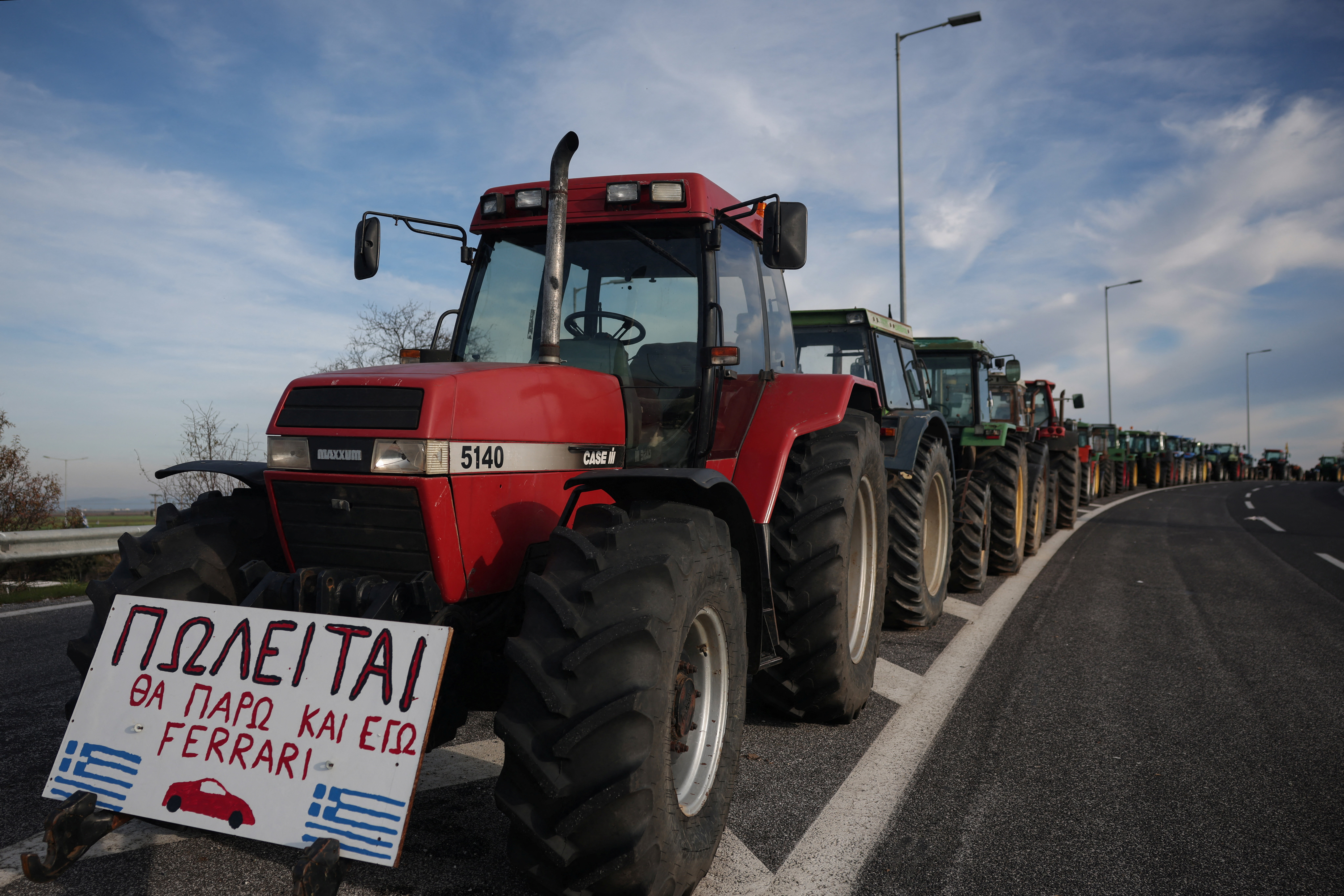
Farmers in Cyprus will take to the streets on Thursday next week to protest against the “new architecture” of the European Union’s common agricultural policy.
Thomas Thoma, the union of Cypriot farmers’ district secretary for Nicosia and Kyrenia, told television channel Alpha that “Europe is taking to the streets” and that “we plan to take to the streets too to resist all this so that there will still be farmers tomorrow”.
“We will join our voices with farmers in Europe, to protest the new agriculture of the common agricultural policy, for what is being done to take money from us to give to wars,” he said.
The farmers’ main gripe is planned cuts to the EU’s common agricultural policy’s budget, with around 40 delegations from across Europe having backed the protest, which will centre on Brussels and will also feature demonstrations in other European capitals.
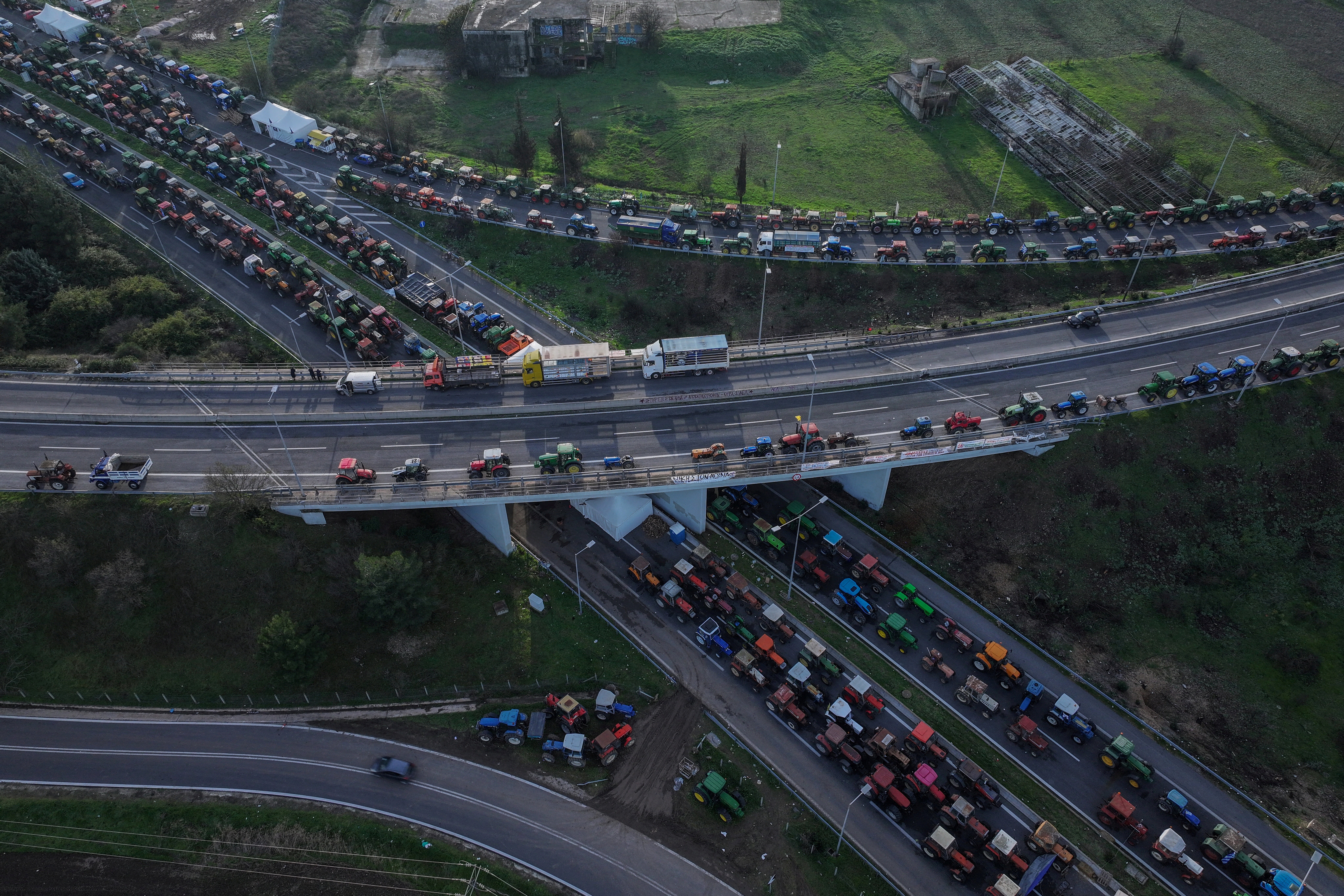
Cristiano Fini, president of the Italian farmers’ organisation CIA–Agricoltori Italiani, said earlier that “we will be in the streets of Brussels with over 5,000 farmers and at least 1,000 tractors arriving from all over the continent”.
He added that the agricultural sector is “called the primary sector for a reason”.
Meanwhile, a spokesperson for French farmers’ union FNSEA told news website Euractiv that protesters will also express their displeasure at the trade agreement signed between the EU and South American trade bloc Mercosur.
Earlier in the year, farmers had expressed fears that loosening import controls on agricultural products from South America may see European farmers undercut, with the EU having reacted to this by loosening industrial emissions rules for pig and poultry farms.
Additionally, livestock farms in the EU may soon be relieved of their obligations to report their usage of water, energy, and raw materials, with member states set to gain the option to report emissions to the EU on farmers’ behalf instead.
Nonetheless, many farmers remain unconvinced, with many member states also opposed to the plans.
The French government, for example, has demanded stronger safeguard clauses to protect the European single market from “disruption” caused by an increase in imports from South America, while the governments of Poland, Ireland, Hungary, the Netherlands, and Austria are all said to have reservations.
Italy, meanwhile, has not yet taken a formal position, with the country’s Prime Minister Giorgia Meloni a close ally of Argentine President Javier Milei. The country is also the EU’s second-largest exporter to Mercosur.
However, Meloni’s Agriculture Minister Francesco Lollobrigida has also pushed for stronger safeguards, though he and the Italian government may have been placated by the loosening of emissions reporting regulations.



Click here to change your cookie preferences