
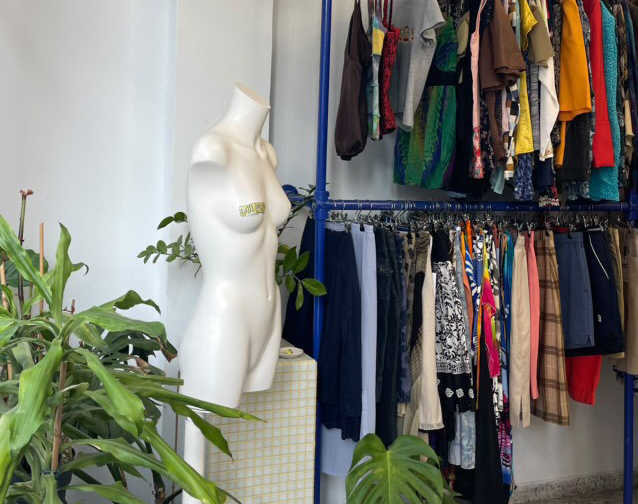
The taboo around buying used clothing is breaking down in Cyprus, driven by mostly young people looking for individual style and concerned about the environment
Second-hand fashion has stepped out of the shadows; what was once seen as niche, alternative or even unfashionable has now evolved into a global mainstream movement defined by sustainability, individual expression and community. This movement is becoming more evident in Cyprus too, where what was once associated with bargain bins or limited thrift shops is now becoming a recognisable part of the island’s fashion landscape.
Secondhand shopping is gaining momentum, especially among younger shoppers who want unique pieces and are increasingly aware of the environmental impact of new clothing.
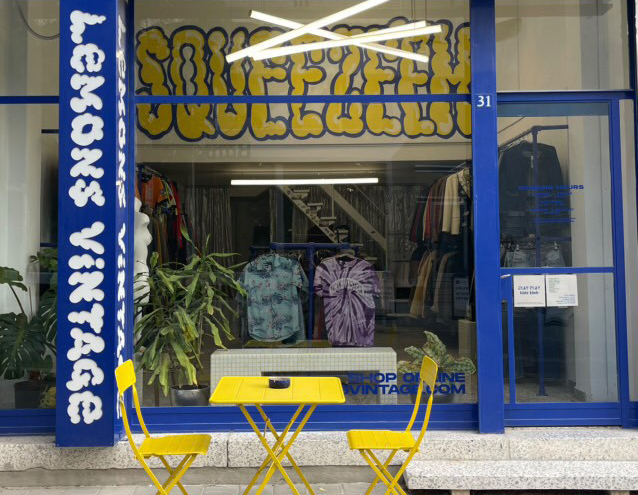
Often this shift can be linked to the way people shop when they travel or live abroad, bringing new habits home with them. Irene Charilaou, who runs Lemons Vintage in Nicosia, says she first became interested in secondhand fashion while travelling.
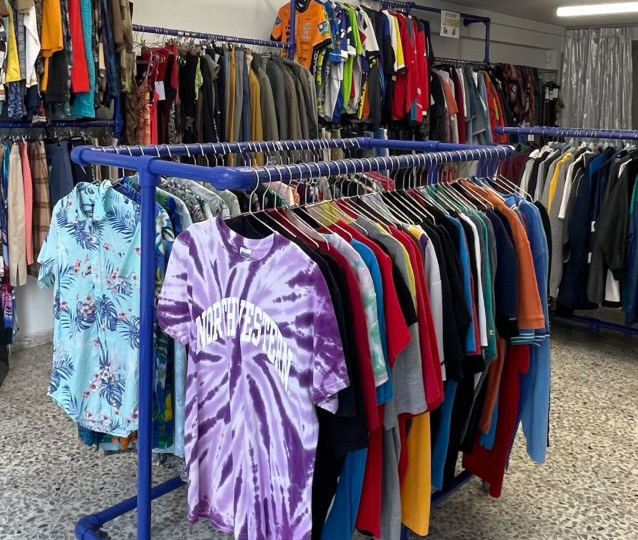
“I was always searching for and buying secondhand and vintage pieces,” she says. Returning to Cyprus, she realised that “there were very limited options, so I decided to create something of my own.” What started out as an Instagram account in 2021, eventually led to the opening of a physical shop in 2023. In her view, secondhand pieces aren’t just cheaper alternatives but objects with character. “Lemons isn’t just a store, it’s a space for people who love unique fashion and care about the planet.”
Owners across the island say that secondhand shopping is no longer viewed the way it once was. Charilaou has seen this firsthand in her store. “The old stigma around secondhand has faded, especially among younger generations who care about sustainability and authentic style”. She says that the interest is not as much about the price as it is finding clothing with personality.
Anastasia Fierou, who runs the Old Classic Thrift Shop agrees, and says secondhand fashion as something people are increasingly choosing on purpose. “It has become much more accessible, with more shops online, more online accounts and visibility”. Some shoppers now choose secondhand as their first option rather than their last resort. “The taboo around secondhand has faded,” she says.
For some shoppers choosing preloved is a choice tied to ethics and resistance to overconsumption. As Fierou puts it, “choosing secondhand is a very direct form of resistance to that system. It’s a practical everyday action”.
Part of what draws shoppers to secondhand items is the sense that they come with a story. “Sometimes we even find little surprises inside, like old train tickets from different countries or forgotten coins. It’s amazing to imagine the stories behind them,” says Charilaou.
Fierou says she once purchased a leather jacket from a woman in her 70s who shared how important it had once been to her. “She told me she used to wear it every day when she was around my age. Knowing that story changed how I saw the jacket. It wasn’t just a leather jacket. It carried part of her life and memories”.
These types of experiences illustrate the added value of what some shoppers are looking for, pieces that stand out because they come with a past.
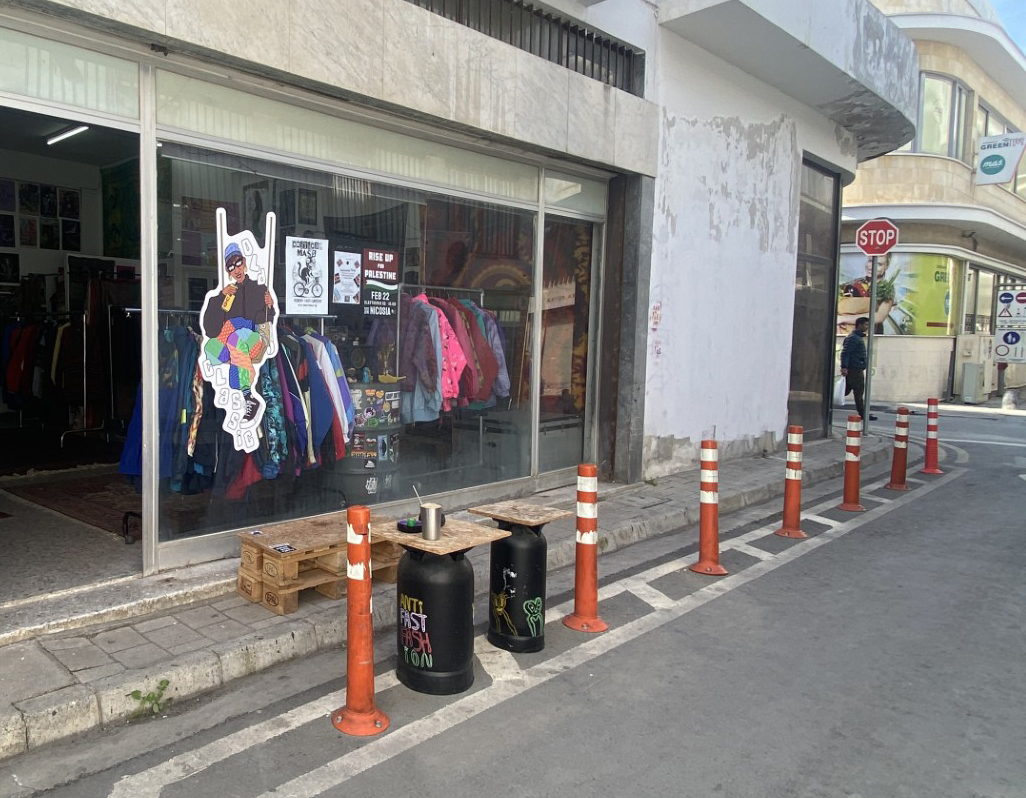
Several shop owners say secondhand fashion has created unexpected forms of community, regulars come not only to browse but to chat. “Some people just stop by for a cigarette or a beer and to talk about what’s happening in the world in general (not necessarily to shop),” says Fierou.
Alongside individual shops, other projects are emerging that aim to bring several elements of secondhand culture together. In Larnaca, Nicole Weber is preparing to open the Sustainable Second-Hand Store Cyprus, a project that she developed after noticing what she felt were gaps in the local market. “There were very few modern, well-curated second-hand stores – and none that combined sustainability, design, and community.”
Her plan for the store is to work as both a retail space and a place for workshops, upcycling sessions and repair activities. “I imagine it as a warm, creative space where people can connect – whether through sustainability workshops, upcycling classes, or small local events.”
She chose to launch the project via crowdfunding to involve the public from the get-go. “It’s not only about raising money – it’s about building a community around a shared vision.” The response so far has included interest and encouragement from across the island.
She feels that the timing reflects a broader shift in Cyprus, “Cyprus is changing – people are becoming more aware of sustainability, and younger generations especially are open to eco-friendly lifestyles.”
Pop up markets and community events have emerged as another entry point into secondhand fashion. One example is the Sustainable Bazaar organised by Maria Georgiou of Ariam Sustainable Fashion that aims to introduce people to different aspects of conscious consumption. “I wanted to create a space where sustainability feels exciting and accessible, not something distant or restrictive,” she says.
The bazaar brings together secondhand sellers, upcyclers and local designers, giving visitors the opportunity to explore different approaches to conscious consumption. Georgiou says that interest is increasing, “There’s a growing awareness, especially among younger people, about the impact of fast fashion and the importance of mindful consumption.”
Lemons Vintage – lemonsvintage.com
Old Classic Thrift Shop – Instagram @theoldclassicthriftshop
Sustainable Second-Hand Store Cyprus – Indiegogo campaign https://www.indiegogo.com/projects/nicoleweber-38770549/sustainable-second-hand-storein-cyprus
Sustainable Bazaar – Facebook ARIAM sustainable fashion

Click here to change your cookie preferences