
The surge in foreign direct investment (FDI) in Cyprus may be transient, and could swing the other way as many foreign businesses setting up shop here do not have ‘organic’ links to the economy, the head of the Fiscal Council cautioned on Monday.
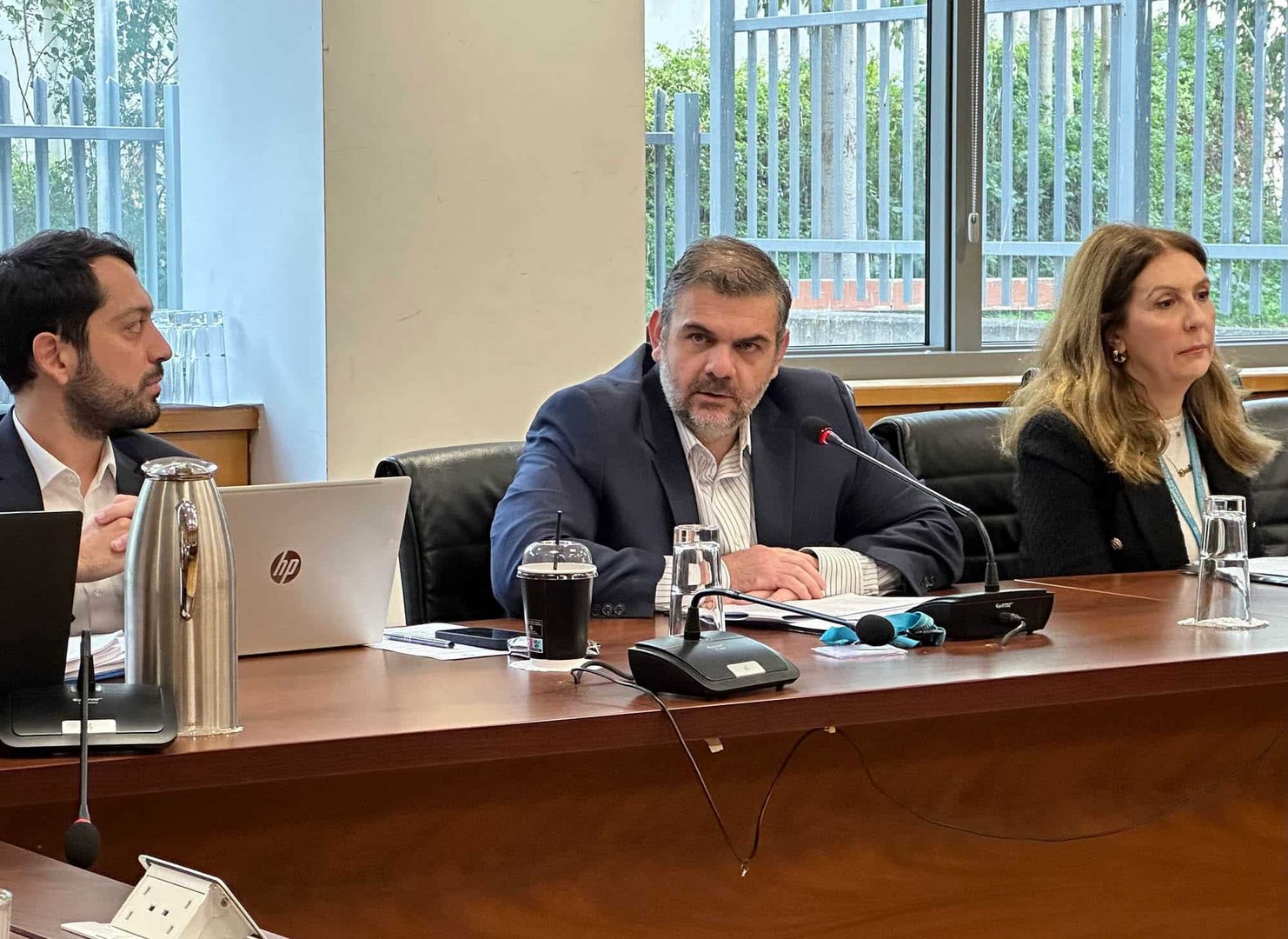
Speaking in parliament, Michalis Persianis said many companies migrated to the island in the wake of the war in Ukraine.
But once the war ends, they could take their business back home.
For this reason, he advised, in the interim the government should work out ways to encourage them to stay.
“In this way, we’d have foreign direct investment from Cyprus going into Ukraine.
“We need Cypriot investment abroad, and a strategy that would encourage their expansion overseas without abandoning Cyprus as the headquarters.”
The spike in FDI happened with relatively small capital expenditure and high employee mobility – factors suggesting weak ties to the local economy.
Answering MPs’ questions, Persianis said that growth and exports are being driven by companies engaging in high-tech.
“And they are almost exclusively foreign-controlled,” he noted.
A related issue is that the rise in salaries has not kept up with the growth in Gross National Product.
“The rise in wages is not at all satisfactory, since from 2018 to 2023 the increase clocked in at 1.7 per cent, where GNP grew by 3.7 per cent.”
Where salaries do rise significantly, they are in specific sectors – rather than across the board.
“So there’s a disparity in terms of income growth.”
This, he went on, is linked to the fact that there exists “no strategic management” of FDI.
The solution, he proposed, is to organically link these businesses to the Cypriot economy – following the Irish model.
This would lessen the ease with which foreign companies could leave.
Elsewhere Persianis commented on the state’s practice of borrowing from the Social Security Fund.
Although the practice has been in place since the fund’s inception in 1963, and is not unlawful, he nevertheless expressed concern – the debt to the fund continues to grow.
The government’s overall debt to the SSF currently stands at €13 billion.
On average in the past two years alone, the debt has grown by €2 billion.
“The problem we see is a huge increase in the SSF’s assets and, respectively, a huge increase in the liabilities of the central government.”
In order for the SSF to remain viable in the long run, its investments need to yield a return over and above a certain percentage.
Persianis’ remarks came during a parliamentary review of the 2026 budget for the Fiscal Council – coming to €944,000.





Click here to change your cookie preferences