
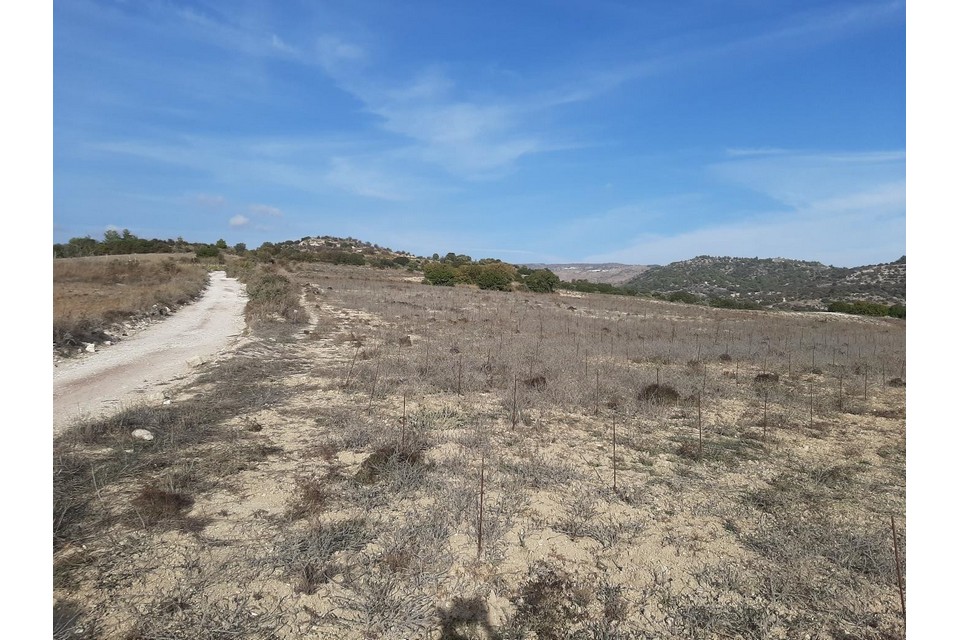
Archaeologists from the University of Graz have identified evidence of human activity in and around the village of Amargeti in Paphos, spanning from the Bronze Age to the Middle Ages, following a field survey carried out in October of last year.
According to the antiquities department, the survey revealed material from multiple periods across several sites.
Medieval pottery was found at Asomatos, alongside ceramics pointing to occupation from the Archaic period.
Roman-era ceramics were collected while a Roman site was documented south of the Xeropotamos valley.
Finds there included fine and coarse pottery, fragments of amphorae and clay roof tiles.
At Sotira, the team recovered Bronze Age material, including a pot handle and a stone game board dating to the Middle Bronze Age.
The department said this represents “the first documented evidence of Bronze Age activity in the Amargeti territory” recorded by the Graz mission.
Fragments of coarse pottery were also gathered along the route from the village to the bridge at Routhouni, where an old pathway was identified nearby.
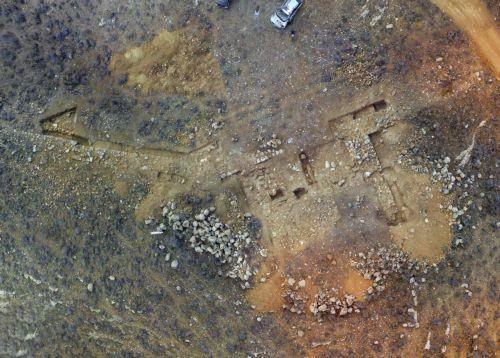
Further south, in the Acheron forest, around 70 looted chamber tombs were recorded using drone photography.
Shells were collected across the wider area, including one dated to the Iron Age.




Click here to change your cookie preferences