
After three years there are no answers to Cyprus’ persisting energy conundrum.
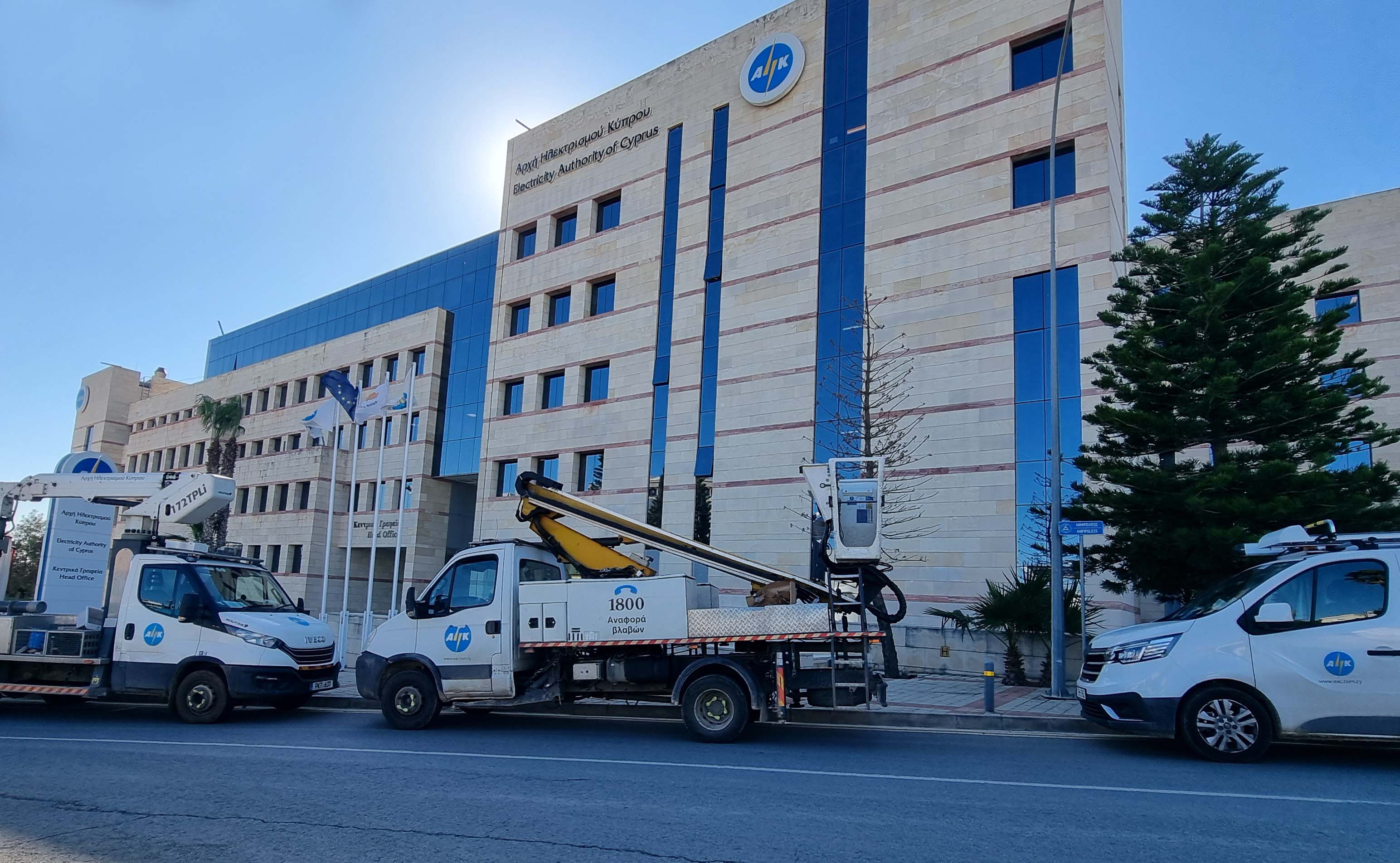
In a damning finding, the report published at the end of February by the auditor general presenting the results of his audit of the Electricity Authority of Cyprus (EAC) concluded that the island’s energy policy is responsible for higher prices for consumers. A few critical articles were published by Cyprus media, but since then the subject has been overtaken by the constant stream of worrying news from the Iran war.
But developments in Europe during this week have catapulted the subject back to the top of EU’s agenda. Highly concerned about the “perverse effect” of the Emissions Trading System (ETS) on electricity prices and industrial competitiveness, Italy has asked for its suspension, to be followed by comprehensive reforms that lead to lower prices.
But while Italy is formulating plans to deal with the issue, in Cyprus neither the energy minister nor the government have responded to the auditor general’s findings and recommendations, even though these raise many disturbing questions that require convincing answers. As the Cyprus Mail observed, “three years on, still no energy plan” and no answers to Cyprus’ persisting energy conundrum.
In the forward to his report, the auditor general states that “the delay in the adoption of renewables (RES) by EAC is mainly explained to some extent by the failure to secure approvals from CERA in the initial stages, in an effort to protect competition. However, reasonable questions arise about the insubstantial reaction of the previous EAC boards on such a strategically important issue. During the same period, private investors developed a significant number of photovoltaic projects or obtained relevant permits, without any clear impact on reducing electricity prices to date.” He added: “The cost of emission rights is passed on to the consumer and, in combination mainly with the limited utilisation of RES by the EAC, the absence of electrical interconnection, limited storage, the non-arrival of natural gas, and the ageing of existing EAC thermal units, contributes to maintaining high electricity prices.”
He concluded that “the above demonstrates the need to strengthen the effectiveness of EAC and accelerate strategic actions, mainly regarding RES, in order to ensure, through its own participation, the avoidance of controlled oligopolies and the assurance of healthy competition. Of course, to have direct benefits for the consumer, strategic decisions, most of which are not under the control of the EAC, must be taken by the state and CERA.”
But first, let’s look at Italy’s proposals to cut electricity prices.
Italy’s proposals
Key in Italy is the proposal to cut electricity bills by stripping carbon costs from wholesale prices and plans to achieve this by reimbursing power plants for the price of buying EU emissions permits.
Prime Minister Giorgia Meloni said her government wants to separate the cost of emission permits from the pricing of renewable electricity. This should then lower bills, as the most expensive form of electricity generation, usually gas, currently sets the price for all companies, even if they are producing renewable power and do not need to buy permits.
The European Commission plans to present its own options for EU energy market reforms that could ease costs in March. But clearly, if Italy succeeds in lowering electricity prices, other countries are likely to follow suit.
RES ‘oligopolies᾽ and lack of competition
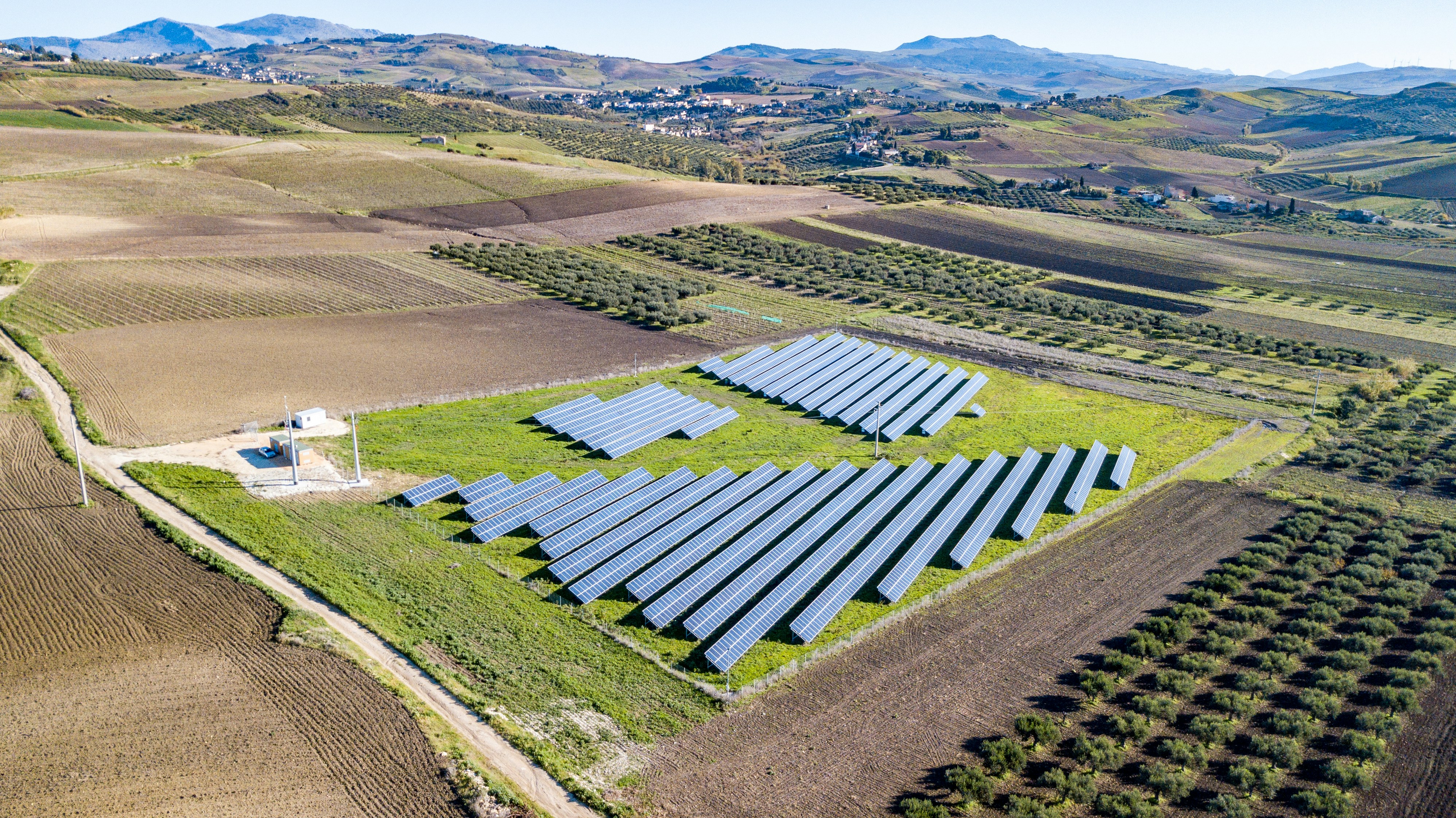
Based on the auditor general’s report, excluding rooftop-solar, about two-thirds of RES generation is in the hands of a small number of private investors that act as RES ‘oligopolies’, lacking real competition. The auditor general puts the blame for this on CERA policies that discriminated in favour of private investors at the expense of EAC and consumers.
Private investors – who were handed these permits without competition -charge prices just below EAC’s price, but while EAC pays emission allowances and full regulated grid costs out of these, they do not, and pocket the money. The net result is that while EAC is permitted a “legal profit margin” of 4.66 per cent, RES owners’ make exorbitant profits that can reach 70 per cent, paid for by Cypriot consumers.
So far, the government has been refusing to address this glaring irregularity. The result is that consumers not only do not benefit from RES and pay for the subsidies to private investors, but they also pay for the super-profits they make.
With the EU-ETS emission allowance price forecast to average up to €100/tonne this year, the cost to EAC could exceed €320 million, exacerbating distortions even further.
Auditor general recommendations and what must be done
The key conclusion from the auditor general’s audit is that the restrictions placed on EAC developing its own RES plants have not contributed to reducing the cost of electricity. On the contrary, they have contributed to the development of a restrictive, oligopolistic system that leaves consumers paying more.
These restrictions on EAC have, in fact, handed the advantage to private investors “to develop large RES projects or to secure relevant permits, occupying most of the available land, much of which is government-owned, but without the consumer benefiting to-date from the entry of these companies into the market.” These unused permits total about 1,000MW and act as a blocker to others wishing to enter the market, such as EAC. Astonishingly, owners of such permits are allowed to sell them to others, demanding exorbitant prices.
The auditor general made a number of key recommendations for EAC:
- Acceleration of the development of RES projects so that the benefit from the lower production cost is passed on directly to the consumer.
- Strengthening EAC-CERA cooperation, with a substantive dialogue on the balance between competition and consumer protection.
- CERA must examine revocation of unused permits, as provided for by law, to free-up land and capacity.
- Strategic decisions must be made by the state, in areas not under the control of the EAC, that directly affect the price of electricity, to unblock and progress market reform, interconnection, natural gas, storage.
Given its low, regulated, profit margin of 4.66 per cent, implementation of the above and reallocation of the revoked permits to EAC would lead to an appreciable reduction in the cost of electricity to consumers, as it would eliminate the exorbitant profits currently pocketed by the RES cartel.
The auditor general concluded that “all of the above demonstrates the need for immediate and politically bold decisions and actions to strengthen security of supply, limit environmental and fiscal risks and achieve a substantial reduction in the cost of electricity for society and the economy.” And, importantly, to avoid oligopolistic distortions.
The auditor general’s report raises many disturbing questions that require convincing answers and, above all, his recommendations require urgent implementation.





Click here to change your cookie preferences