
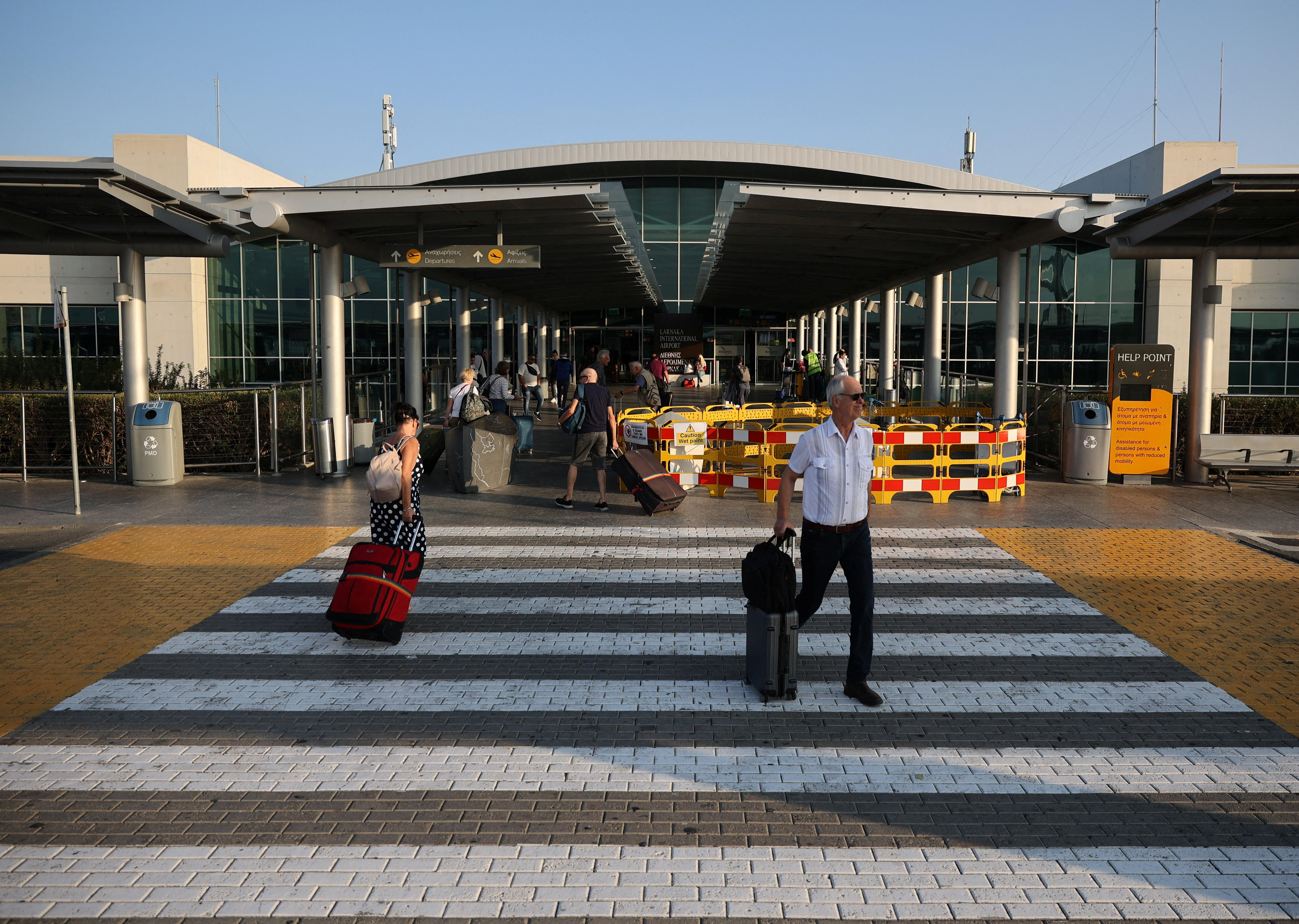
The employers’ union (Oev) stated on Tuesday that the national tourism sector continues to operate under weakened demand, with recent performance being a direct result of the present regional instability,
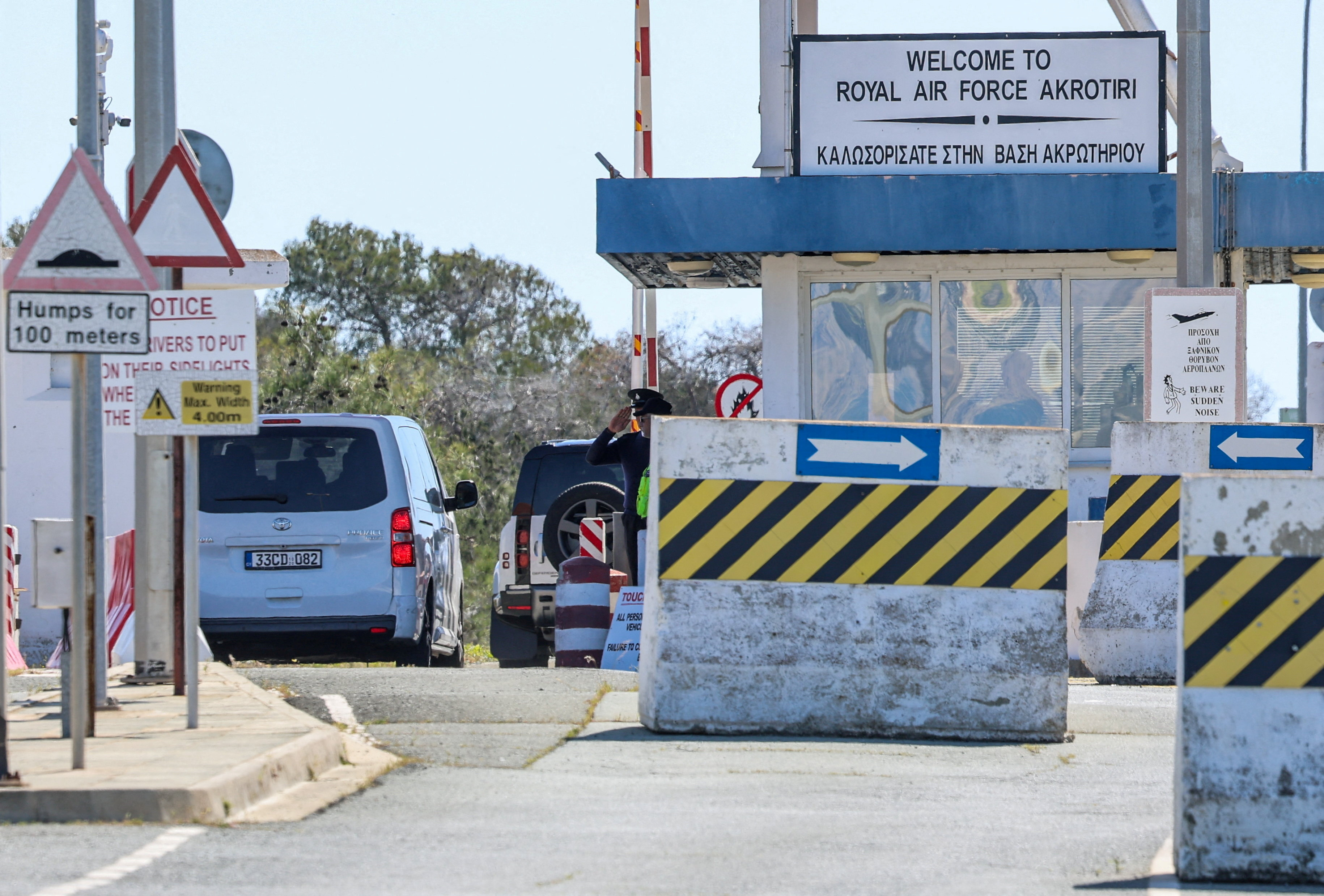
Speaking during the union’s annual general conference at the Landmark hotel in Nicosia, Oev’s president George Pantelides conceded that “our tourism industry is in a difficult and uncertain situation after the drone incident at the British base,” adding that the sector remains exposed to external shocks due to reliance on early bookings and expected regular flights.
He called for “targeted travel guidelines, strengthened communication strategy, and targeted incentives for airlines” to stabilise demand.
Tourism accounts for around 14 per cent of Cyprus’ GDP and remains a key economic sector supporting hotels, catering, transport, retail and related services.
Industry data and official statements indicate that performance in early 2026 has been weaker than expected across multiple indicators, particularly during the spring period.
Passenger traffic at both Paphos and Larnaca airport fell collectively by 15.3 per cent in March to 599,218 passengers compared with the same month last year, according to data from Hermes Airports.
Hotel sector performance has followed a similar pattern, as the hoteliers’ association (Pasyxe) chair Christos Angelides reported, “Easter occupancy rates languished between 25 per cent and 45 per cent.”
In the Famagusta district, which includes Ayia Napa and Protaras, bookings at the start of the season were reported to be around 40 per cent lower than the same period in 2025, with occupancy levels up to 50 per cent below last year in some units.
Several hotels have delayed reopening due to limited projected demand.
Ayia Napa mayor Christos Zannetou previously remarked the decline is visible at local level.
“We have seen a reduction in April occupancy of around 40 per cent,” he said, adding that cancellations from foreign tour operators have replaced earlier confirmed bookings.
“The flow of bookings is reduced, and we cannot say that hotel occupancy in Ayia Napa is currently satisfactory,” he said.
Travel advisories issued by foreign governments, such as the British foreign office’s memorandum, which warned that warns that “terrorist attacks in Cyprus cannot be ruled out” have also been cited as a contributing factor to booking delays and cancellations.
The government has however taken diplomatic efforts to update multiple travel advisories issued by fellow EU member states.
Bulgaria, France, Denmark, Italy, Croatia, the Netherlands, Hungary, Poland and Sweden are reported to have revised their guidance following consultations, in order to reflecting a more balanced assessment of conditions on the island.
The revisions reportedly include the removal or softening of language referring to security risks and regional spillover effects.
France has removed advice discouraging travel near Akrotiri and Dhekelia, Sweden withdrew references to air traffic disruption at Larnaca and Paphos airports, while the Netherlands replaced wording describing “significant security risks” with “specific risks”.
Poland added that “the overall situation in Cyprus is stable” and reclassified Cyprus at level 1, while Bulgaria reduced its advisory level from caution against non-essential travel to general caution.
Denmark and Italy have likewise also removed references linking Cyprus to regional military developments and potential airspace disruption.
The travel agents’ association reported that March arrivals fell by around 30 per cent compared with expectations at the start of the year, reversing earlier forecasts of growth for the period.
Airlines, such as Jet2, have also adjusted summer schedules, reducing capacity on selected routes due to weaker forward demand.
Pasyxe and the association of Cyprus tourist enterprises (Stek) co-signed a joint letter to President Nikos Christodoulides to request a meeting, citing continued losses from cancellations and concerns over the outlook for May and the wider summer period.
Industry representatives said losses have already been recorded for March and April, with further downside risk for May depending on booking recovery.
A government support scheme for the hotel sector has been activated for April 2026, with applications opening on 28 April and closing on 8 May.
The plan, approved by cabinet last month, provides a subsidy covering 30 per cent of monthly salaries per employee, capped at €1,324, and applies to businesses reporting either a turnover decline of more than 40 per cent compared with April 2025 or occupancy below 60 per cent.
The scheme covers up to 80 per cent of hotel staff, with employers required to retain employees during the support period and continue paying social insurance contributions.
Following the scheme’s announcement, Labour Minister Marinos Mousiouttas had said the objective is to support employment stability during the downturn, describing the scheme as a response to “a sudden drop in tourism activity linked to regional woes.”
Data further showed a marginal year-on-year decline of 0.01 per cent in March 2026, with researchers citing weaker economic sentiment linked to geopolitical conditions and reduced tourism confidence.
Despite support measures and ongoing promotional activity, industry representatives report that forward bookings remain below expected levels for the summer season.
Pasyxe said some improvement has been recorded in recent weeks, but not at a pace sufficient to offset earlier cancellations.
“Some cancellations are continuing yet ultimately the rate of new bookings is not enough to reverse the picture,” Angelides said.
In Famagusta, where tourism dependency is highest, officials report that early-season performance remains significantly below expectations, with weaker occupancy affecting both hotels and related service sectors.
Oev and other business organisations have called for sustained international promotion, improved airline connectivity, and targeted measures to restore confidence in Cyprus as a destination.
Pantelides said communication strategy and connectivity incentives are central to stabilising demand, remarking that tourism as a sector “remains one of the economy’s most vulnerable industries” to external perceptions.




Click here to change your cookie preferences