
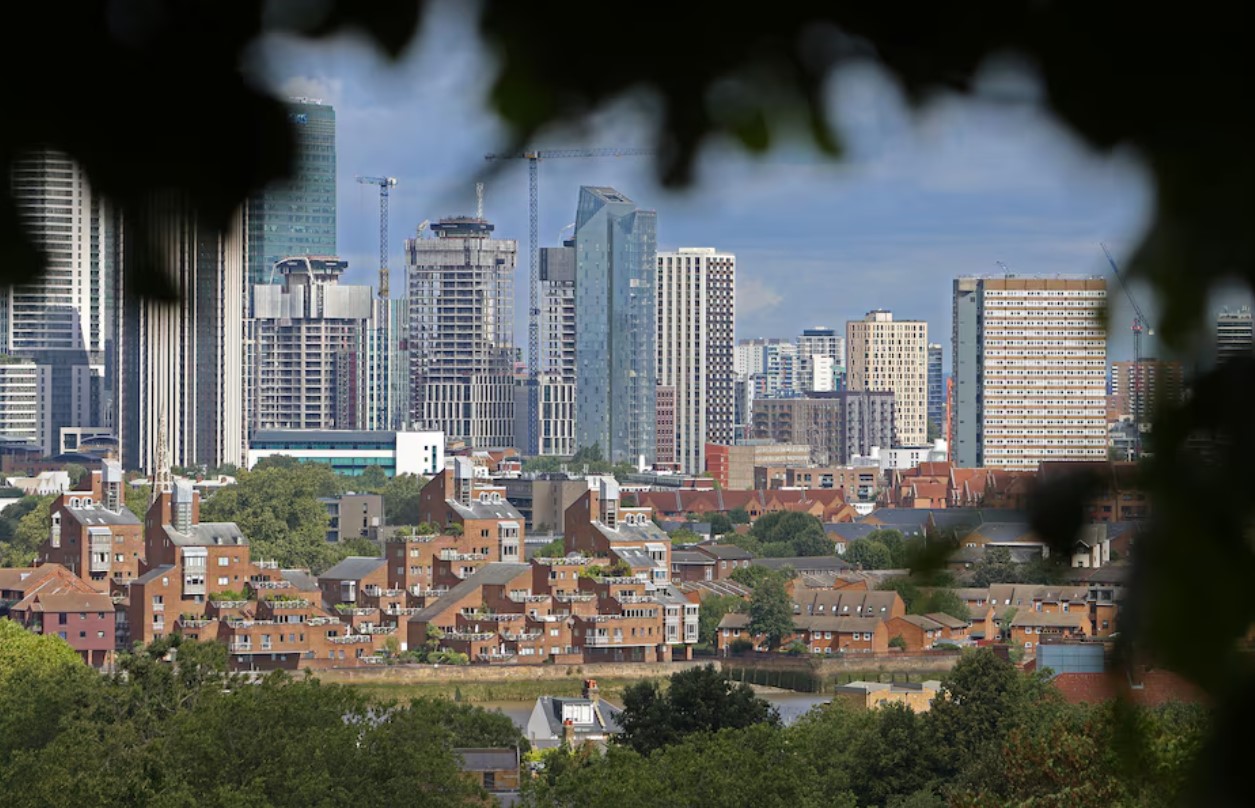
Activity in Britain’s construction sector contracted for the 14th month in a row in February, extending its longest downturn since the global financial crisis despite an improvement in business optimism, a business survey showed this week.
S&P Global’s UK Construction Purchasing Managers’ Index (PMI) for Britain’s construction sector fell in February to 44.5 from January’s seven-month high of 46.4.
The reading remained well below the 50-mark that divides growth from contraction, as it has since the start of 2025, and was below a median forecast of 47.0 in a Reuters poll of economists.
A rise in business optimism – which hit its highest level in 14 months – marked a rare bright spot.
Tim Moore, economics director at S&P Global Market Intelligence, said February’s decline was faster than seen on average since the run of sub-50 readings started in January 2025.
“A sharper downturn in house building was the main factor behind the setback for UK construction activity in February, following some signs of stabilisation at the start of 2026,” Moore said.
Falling order books were blamed on a mix of sluggish market conditions, “exceptionally wet weather”, which disrupted construction projects, and the steepest rise in cost pressures since July 2025, S&P said.
The residential building activity subindex fell for the eighth month in a row, dropping to 37.0 in February from 39.3 in January. Commercial and civil engineering activity also fell.
The weakness stands at odds with Prime Minister Keir Starmer’s government target to build 1.5 million homes over its five-year parliamentary term, a rate of construction not achieved since the 1970s.
The gloom in the construction sector – which accounted for more than 6 per cent of British economic output in 2025 – contrasted with a more upbeat picture in the services PMI.
The all-sector PMI – which includes manufacturers as well – stood at 52.9 last month, slightly below January’s 53.1, which was the highest since August 2024.





Click here to change your cookie preferences