
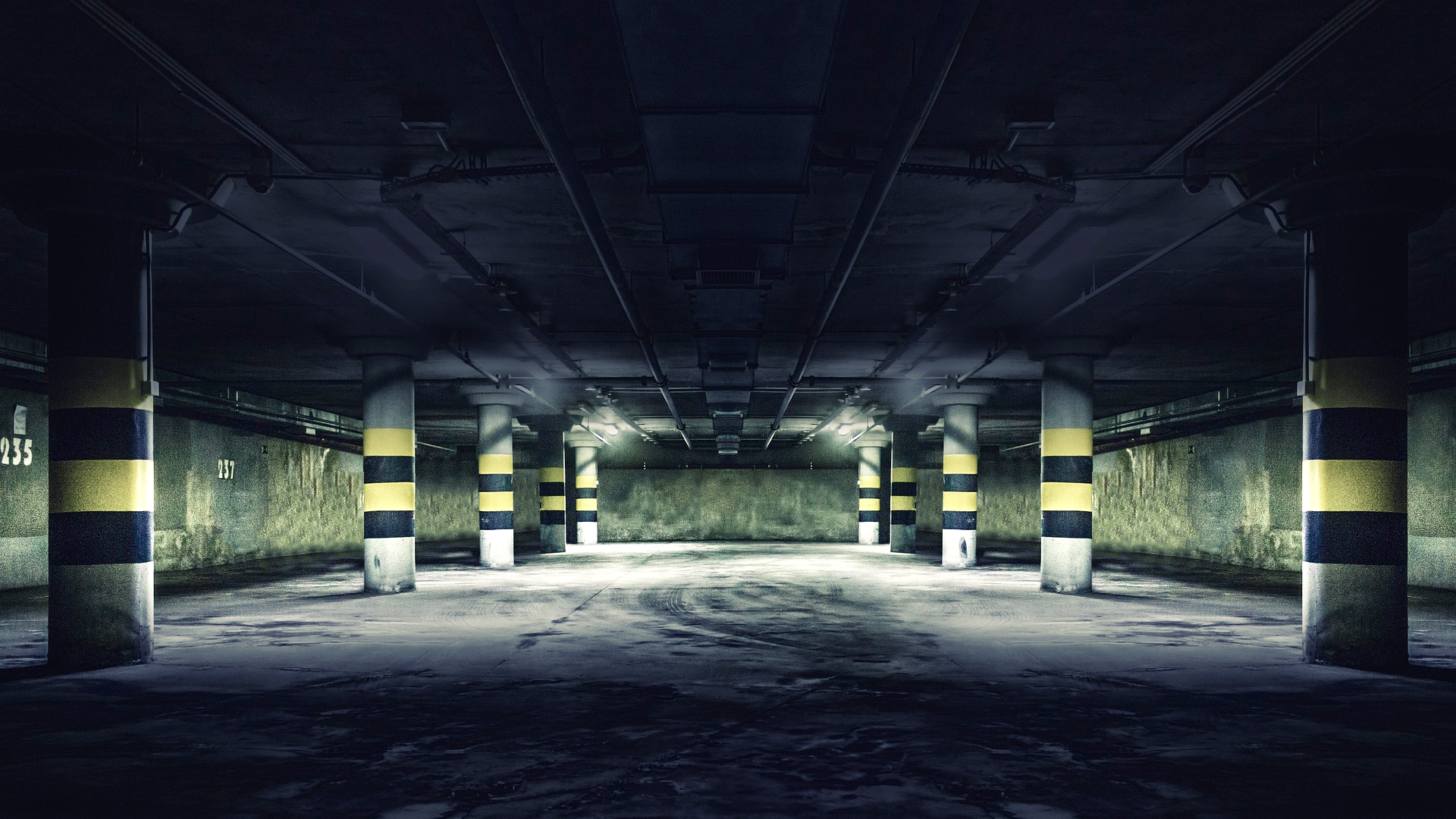
There was outrage when the government announced, shortly after the drone strike on Akrotiri base that civil defence shelters were enough for about 45 per cent of the population. The conclusion of the angry media commentators was that the state had failed the citizens yet again, leaving half of them to perish in the event of a mass aerial bombardment of Cyprus, which is not an imminent threat facing the country.
Yet people have become so accustomed to complaining about the alleged inadequacies of the state services, they had to go on the offensive after hearing about the inadequate number of shelters. And, inevitably, the government, which is always spurred into some form of action by public criticism, decided it was time for a general overhaul of the civil defence enterprise. Whether anything will be done remains to be seen.
After Wednesday’s council of ministers meeting, President Nikos Christodoulides announced the establishment of a national civil protection mechanism that will be run by a civil protection coordinator. “Our goal is to create an upgraded framework for coordination and cooperation of all involved services, under the national coordinator, based on European standards, for a more effective response to crisis incidents,” the president said. He did not explain why, despite launching this reform – “to restructure the sector, strengthen the mechanism,” – in 2023, nothing had been done in these three years.
There was a devastating fire in the Limassol district last summer, in which two people died, and both the sector and the mechanism, set up in 2023, were unprepared to deal with it. If there was an aerial bombardment (thankfully, it is extremely unlikely) we would also have discovered there was an inadequate number of shelters, even fewer than for 45 per cent of the population as the government initially said. Inspections carried out in the last few days on 2,480 shelters found that 482 of them could not be used. This, even though the civil defence boss had been giving assurances to interior ministry officials that all shelters were ready for use.
In a way, it is just as well that we have had no need for the civil defence shelters in the last 50 years, even though our authorities seem to think they are as necessary today as they were right after the Turkish invasion in 1974. Perhaps they might be needed one day and by then the authorities might get their mechanisms and shelters in working order. We suspect the matter will be forgotten soon after the war in Iran is over and will remember the need for civil defence when something goes wrong in the future.


Click here to change your cookie preferences