
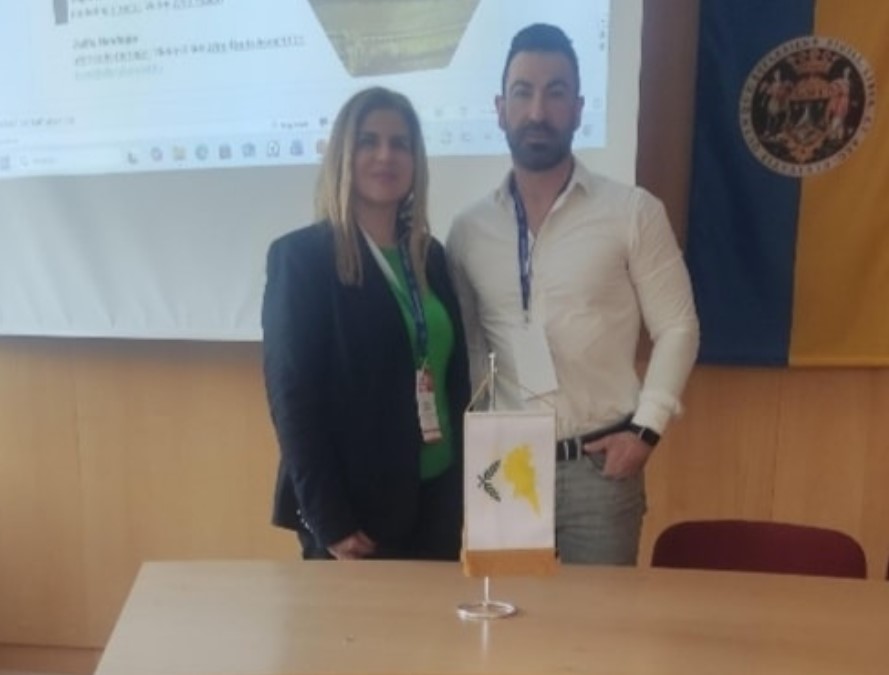
The Paphos Chamber of Commerce and Industry (Evep) recently took part in the second meeting of the European programme EnoGastroDest-Interreg Europe, which was held in Pecs, Hungary.
The chamber, as one of the key partners of the project, was represented by its officers Stefanos Hadjioannou and Natasa Demetriou.
The chamber reported that a total of 11 partners from various European countries are participating in the project.
The initiative emphasises that eno-culinary heritage should be preserved and promoted, as it provides a solid foundation for the development of experiential and sustainable cultural tourism in the fields of wine and gastronomy tourism (WGT) across European wine-growing and agricultural regions.
Wine and gastronomy tourism (WGT) is described as an industry in which visitors travel to destinations to enjoy unique wine and food experiences tailored to each location.
The sector has witnessed significant growth in recent years, opening new opportunities for further development.
Gastronomy tourism is characterised by the visitor experience linked to food and related products, encompassing authentic, traditional, and innovative culinary activities.
These experiences may include visits to local producers, participation in food festivals, and attendance at cooking classes.
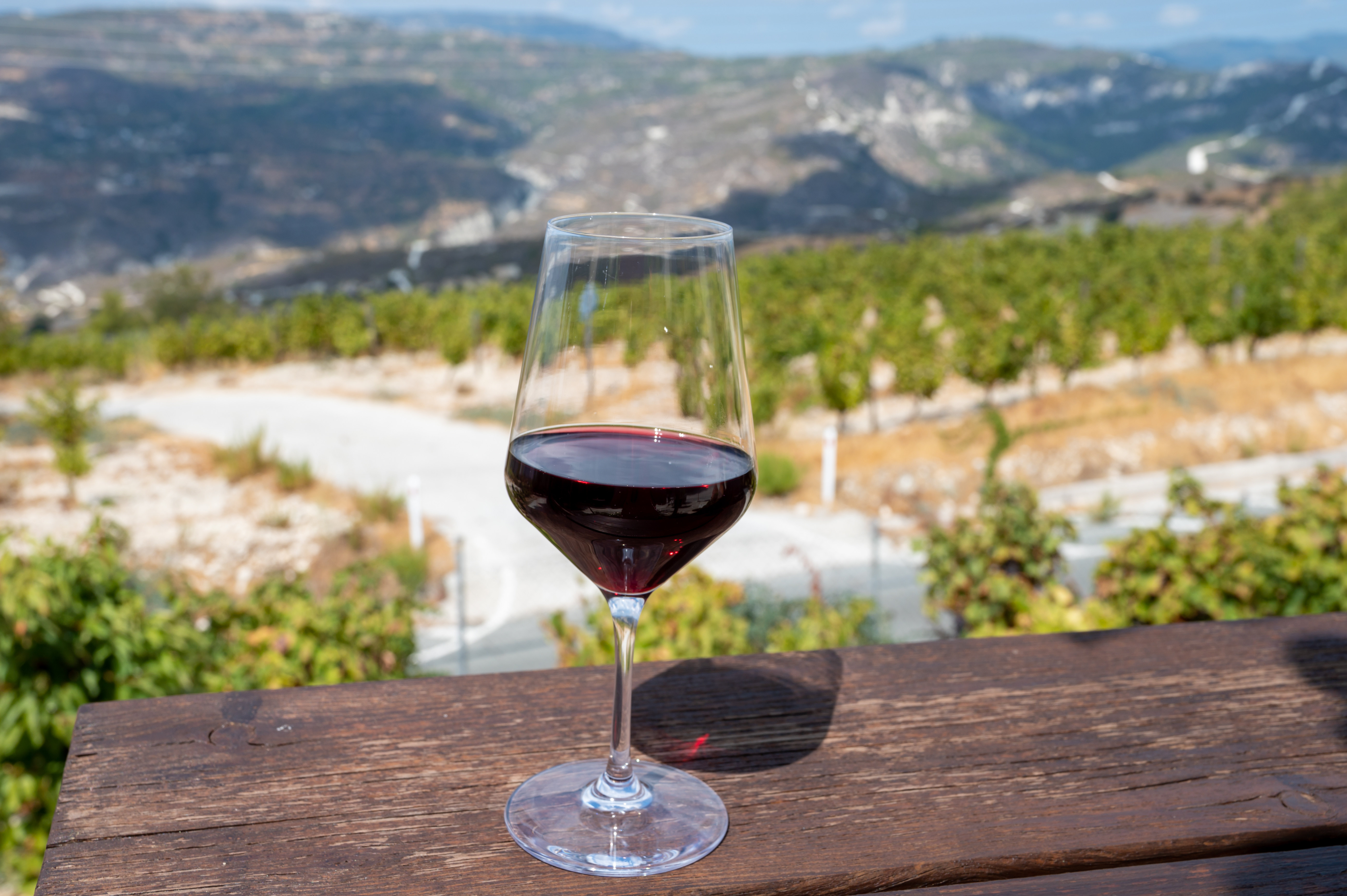
Eno-tourism focuses on visiting vineyards and wineries, where visitors can taste, learn about, consume, and purchase wine, often at or near its place of origin.
The overall objective of the project is to preserve and promote viticulture and culinary heritage, applying it to the development and promotion of WGT as a form of experiential cultural tourism.
The EnoGastroDEST project also incorporates elements such as traditional winemaking heritage and culinary heritage, alongside the creative industries surrounding food and wine.
It further promotes exchanges centred on tasting and appreciation through experiential tourism, as well as workshops, participatory labs, and study visits to wineries, farms, and agro-tourism destinations.
Another key component is the development of WGT products and services based on best practices, including relevant guidelines by the UN Tourism.
Project activities include the exchange of experience on preserving eno-culinary heritage and its role in developing experiential WGT, alongside product development initiatives in the WGT sector.
They also feature thematic workshops and webinars, participatory labs, and study visits, as well as staff exchanges and joint promotional actions.
In addition, the programme supports policy development and policy change related to WGT, positioning it as a form of experiential sustainable cultural tourism.

Click here to change your cookie preferences