
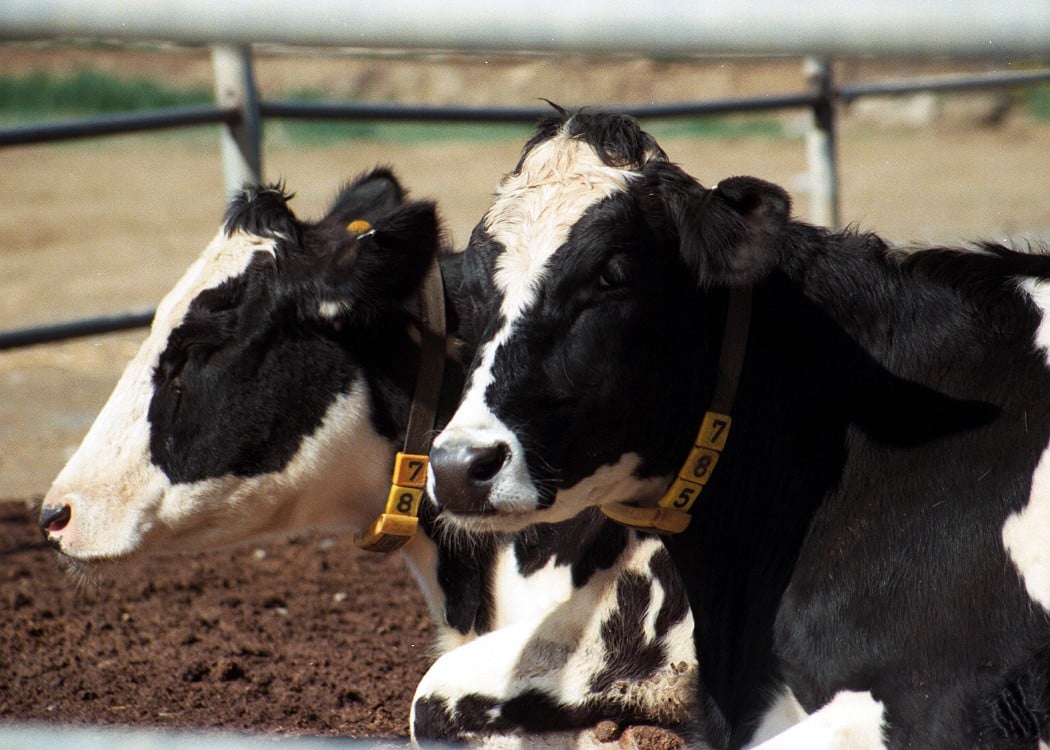
Veterinary Services spokeswoman Sotiria Georgiadou clarified processes surrounding the handling of animal carcasses following recent culling measures, outlining what is a tightly regulated process designed to protect public health and the environment.
Speaking to the Cyprus Mail, Georgiadou explained that the selection of burial sites follows a multi-agency assessment involving the land registry, agricultural authorities, the department of water development, the environment department, veterinary services and the agriculture department.
“The aim is to identify a suitable location so that, through this process, there is no contamination of groundwater or geological formations,” she said.
Adding that “once a site is approved, excavation is carried out with the assistance of the military, which provides the necessary machinery. Each burial pit is constructed according to strict specifications regarding depth, height and width. The pits are then lined with materials such as clay and lime to ensure sealing and prevent leakage.”
“The carcasses are placed in layers, alongside disinfectants and sealing materials, until the pit reaches a designated level. It is then covered with several metres of soil”.
“These sites are monitored after closure,” Georgiadou said, noting that it takes years for the soil to fully settle. “However, due to the sealing process, no future environmental problem is expected.”
Addressing concerns over the island’s indigenous cattle breeds, Georgiadou said efforts are underway to protect them from infection.
“We will do everything we can to preserve the local breed,” she said, adding that herds in Paphos district have so far tested negative. “At present, all sampling in Paphos is clear, and we hope it remains that way.” She stressed that the issue extends beyond cattle, pointing to the need to safeguard indigenous breeds of goats and sheep as well.
On support for farmers, Georgiadou said that plans are in place, led by the agriculture department, to provide guidance and assistance as part of a broader compensation and recovery package.
“The package that has been approved includes compensation for animals, funding for new livestock purchases, upgrades and income loss,” she said. “We, together with the agriculture department, will be by their side to guide them towards the right steps to improve productivity.”
She acknowledged the emotional and financial strain on livestock farmers, describing the current situation as particularly intense due to its scale and concentration in specific areas.
“Over the years, we have faced crises and other diseases that required the culling of large numbers of animals. This is not the first time our farmers have been affected,” she said. “But this outbreak is sudden and widespread, and it is causing despair among people.”
“We are here to help them recover,” she added.

Click here to change your cookie preferences