
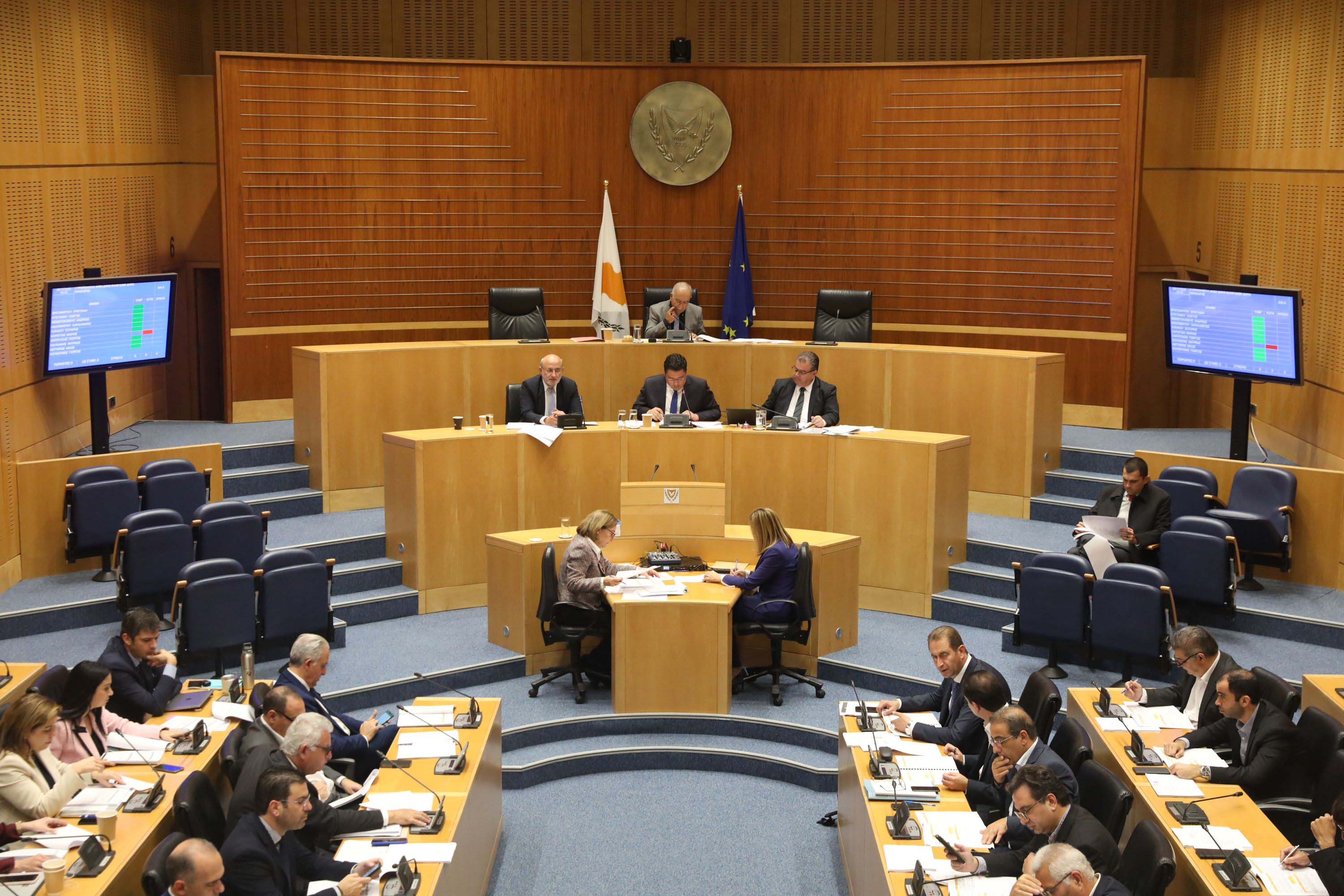
Reform of the catering and entertainment sector is set for a decisive vote in Parliament on Thursday, with the proposed legislation introducing extended opening hours, simplified licensing procedures and the easing regulatory requirements.
At the heart of the bill is the introduction of a unified closing time of 3.30am for restaurants, taverns and similar leisure establishments throughout the year, replacing the current system of seasonal and categorical variations.
The legislation also provides the possibility for further extensions during specific periods, including the Easter holidays, when operating hours may be extended to 5am by ministerial decree.
Entertainment venues such as nightclubs and music halls may also be permitted to operate until 5am under the same mechanism.
The bill, submitted by the deputy tourism ministry, seeks to modernise a framework that has long been criticised as complex and restrictive.
According to the ministry, the existing system includes “burdensome and anachronistic provisions” that hinder investment and create unnecessary administrative obligations for businesses.
The reform aims to streamline procedures, reduce regulatory overlap and improve the competitiveness of the tourism sector.
Among the most significant structural changes is the reclassification of premises into two main categories, the first being catering and leisure establishments, and the second being entertainment venues, with differentiated operating conditions.
The legislation abolishes previous classifications based on building characteristics and services offered, as well as requirements such as prior approval of price lists and overlapping permits from multiple authorities.
The proposed framework also removes certain infrastructure and staffing requirements that were previously mandatory.
For example, the obligation for venues to maintain a fully equipped kitchen is lifted, provided that safe food handling standards are certified by health authorities.
In addition, specific qualification requirements for managers of leisure establishments are eliminated, with the aim of reducing barriers to entry for operators.
Responsibility for issuing operating licences will shift from central authorities to local government, with municipalities and community councils becoming the competent bodies for granting permits.
The change is intended to decentralise decision making and align licensing with local conditions, while maintaining oversight through inspection powers retained by the ministry.
The legislation introduces stricter enforcement mechanisms alongside the regulatory simplifications.
Authorities will be able to impose administrative fines for violations and seek court orders for the immediate suspension of operations in cases involving public safety or health concerns.
Operators will benefit from a single licensing system, replacing the current requirement in some cases to obtain multiple permits under different laws.
The bill also provides a transition period of 18 months for new businesses to comply fully with the revised requirements, while existing unlicensed premises will be given the opportunity to regularise their status through special permits.
The reform follows months of debate and revisions, particularly over operating hours, which have been a point of contention among stakeholders.
Earlier proposals included differentiated seasonal schedules and shorter closing times for certain categories of venues.
The current version reflects amendments agreed between the government and members of the House commerce committee, moving towards a single nationwide schedule.
Previous discussions highlighted concerns from leisure venue operators over varying closing times giving an unfair advantage to certain establishments over others.
The ministry has maintained that the revised framework addresses these concerns while aligning Cyprus with international tourism standards.





Click here to change your cookie preferences