
Authorities confirmed three new cases of foot and mouth disease within the infected zone in the Dromolaxia-Meneou area of Larnaca, bringing the total number of affected units to 49, officials said on Thursday.
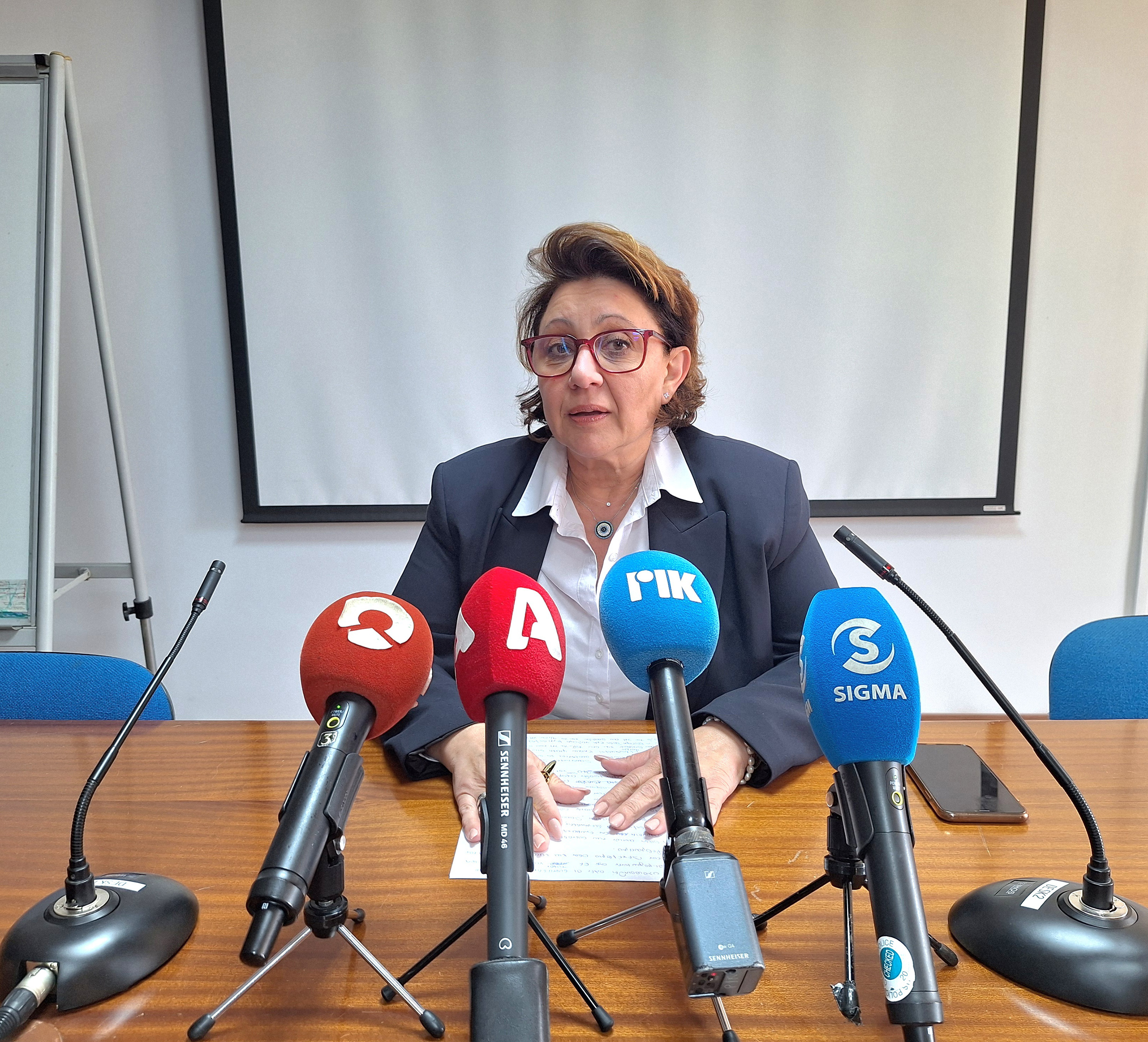
Speaking to journalists, veterinary services spokeswoman Sotiria Georgiadou said all recommendations made by European Commission experts during their visit to Cyprus in February had been implemented, with sampling and laboratory testing continuing on that basis.
The latest cases involve two sheep units with approximately 240 animals in total and one cattle unit with 118 animals.
Culling operations are ongoing in both Nicosia and Larnaca, although some technical delays were reported in Larnaca due to recent rainfall. Operations in Nicosia are expected to be completed imminently.
Vaccination coverage has reached 98 per cent of the cattle population and 72 per cent of sheep and goats, while second doses have so far been administered to 30 per cent of cattle and 9 per cent of sheep and goats.
Total culling numbers have reached around 26,800 sheep and goats, with an additional 1,000 to 1,200 animals expected to be added following the latest developments. In cattle, 1,742 animals have been culled, with a further 150 cows expected to be included based on newly affected herds and approximately 700 sheep and goats.
Georgiadou also said that approximately 500,000 vaccine doses for pigs are expected by the end of the month, which will also cover cattle sheep and goats. Preparations are already underway for the administration of second doses to pigs.
Meanwhile, the first instalment of financial support for income loss has already begun to be paid to affected beneficiaries, with payments continuing.
Responding to a Cyprus Mail question on whether milk availability has been affected – and by extension halloumi production – Georgiadou said the impact so far remains limited.
“The 1.7 per cent reduction in the animal population is not expected to significantly affect milk production volumes,” she said, noting that some of the affected units were large commercial operations primarily intended for meat production ahead of Easter. However, she warned that continued culling of dairy-producing animals could eventually impact both milk and halloumi output.
Asked by the Cyprus Mail about public concerns over meat consumption, Georgiadou reassured consumers that there is no risk to human health. “People can eat and enjoy it,” she said. “This virus affects cloven-hoofed animals such as cattle, sheep, goats and pigs. It does not affect humans – not through contact, inhalation, or consumption of meat or milk.”
She added that infected animals showing symptoms do not enter the food chain and that strict safety controls are in place throughout the slaughtering process.
When asked by a journalist whether the crisis is nearing its end, Georgiadou cautioned that the situation remains at an early stage. “We are at the tip of the iceberg,” she said.





Click here to change your cookie preferences