
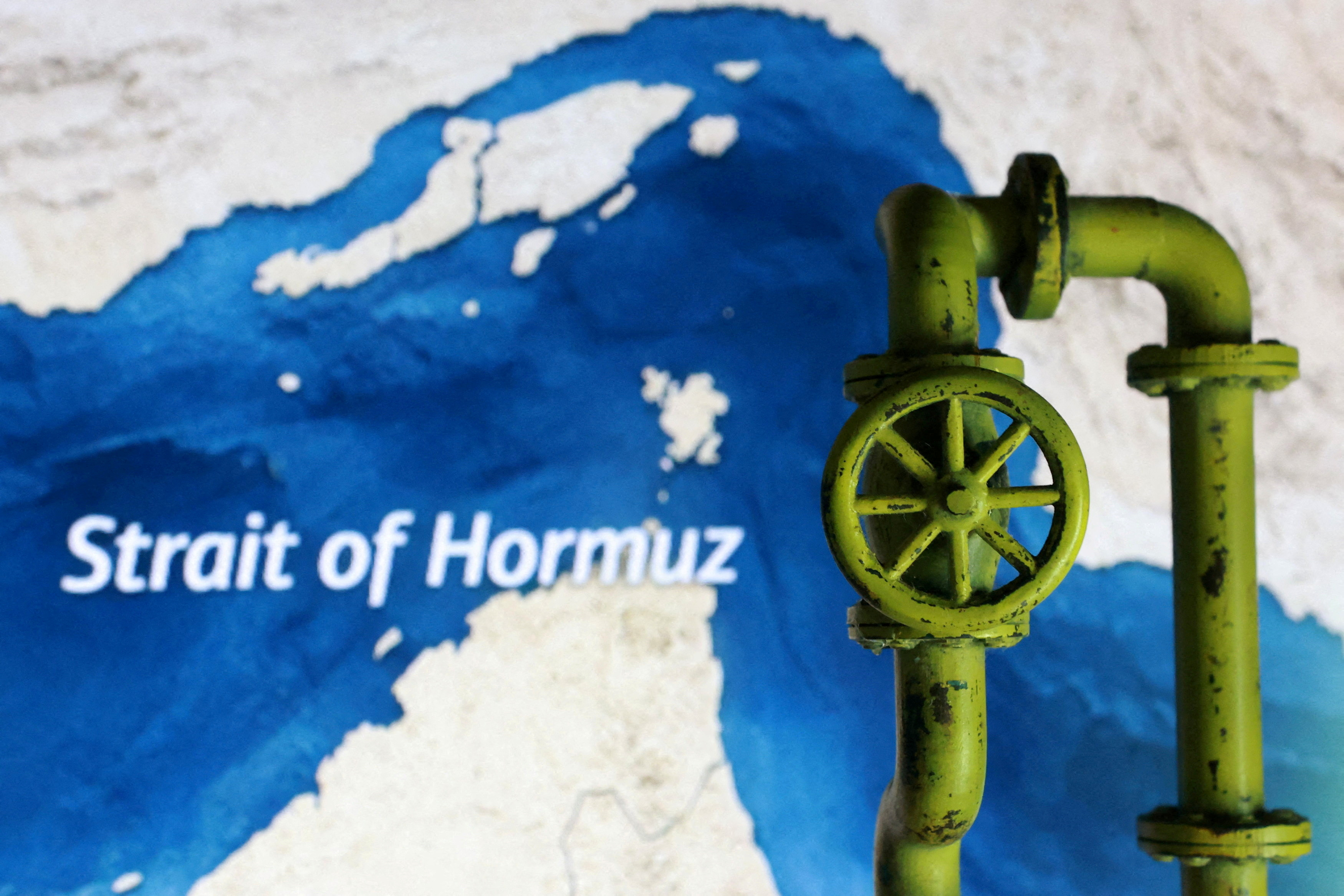
Developments in the Middle East, particularly in the Persian Gulf, are adding fresh uncertainty to the global economy, with volatility making investors and businesses more hesitant to move ahead, economist Tassos Yiasemides said.
Speaking to the Cyprus Agency News (CNA), Yiasemides said that, despite the ceasefire, uncertainty over how talks between the United States and Iran will develop is discouraging investors from taking new initiatives.
“It is the worst thing for an economy to have volatility,” he said, adding that investment decisions and new business initiatives require a stable economic and political environment.
He explained that this level of uncertainty is creating wider challenges for the global economy, while the repeated ups and downs, especially in such an energy-sensitive region, are affecting the decisions of both governments and businesses and slowing economic activity internationally.
At the same time, he said, a more complex economic environment has taken shape, shaped both by oil prices and by growing pressure on transport costs, with fuel prices and insurance premiums rising while inflation continues to push prices upwards.
“We understand that even if the war ends tomorrow, it will take a period, possibly 8 – 12 months, for the supply of oil and natural gas to return to normal levels because infrastructure has been damaged,” Yiasemides said, referring to estimates already announced by countries in the Persian Gulf region.
In that context, he added that, provided there are no further hostilities and infrastructure restoration can proceed, a return to normality would concern the following months of 2026. Otherwise, he warned, the effects will increase exponentially.
Yiasemides also said that, for the US, China remains a key economic rival alongside Iran, and argued that, in the context of that broader competition, president Donald Trump will not hesitate to pressure Europe to limit trade with China.
“Trump stated that he is disappointed with Europe militarily and may take revenge economically,” he said, expressing the view that the US president has room, given the current state of the European economy, to win allies in this economic confrontation.
He added that there are already some winners from the current situation, including US oil companies as well as Russia.
Finally, Yiasemides stated that Europe is energy-isolated and is therefore very likely to align with Trump for energy purposes, since it cannot play a role in international economic affairs on its own.

Click here to change your cookie preferences