
Iran’s foreign minister said on Friday that the Strait of Hormuz had reopened to commercial shipping following a ceasefire agreement linked to the Lebanon conflict, as US President Donald Trump said talks to end the war with Iran could take place “soon”.
Abbas Araqchi said in a post on X that the strait was “open for all commercial vessels” for the duration of a US-brokered 10-day truce agreed on Thursday between Israel and Lebanon to halt fighting with Iran-backed Hezbollah.
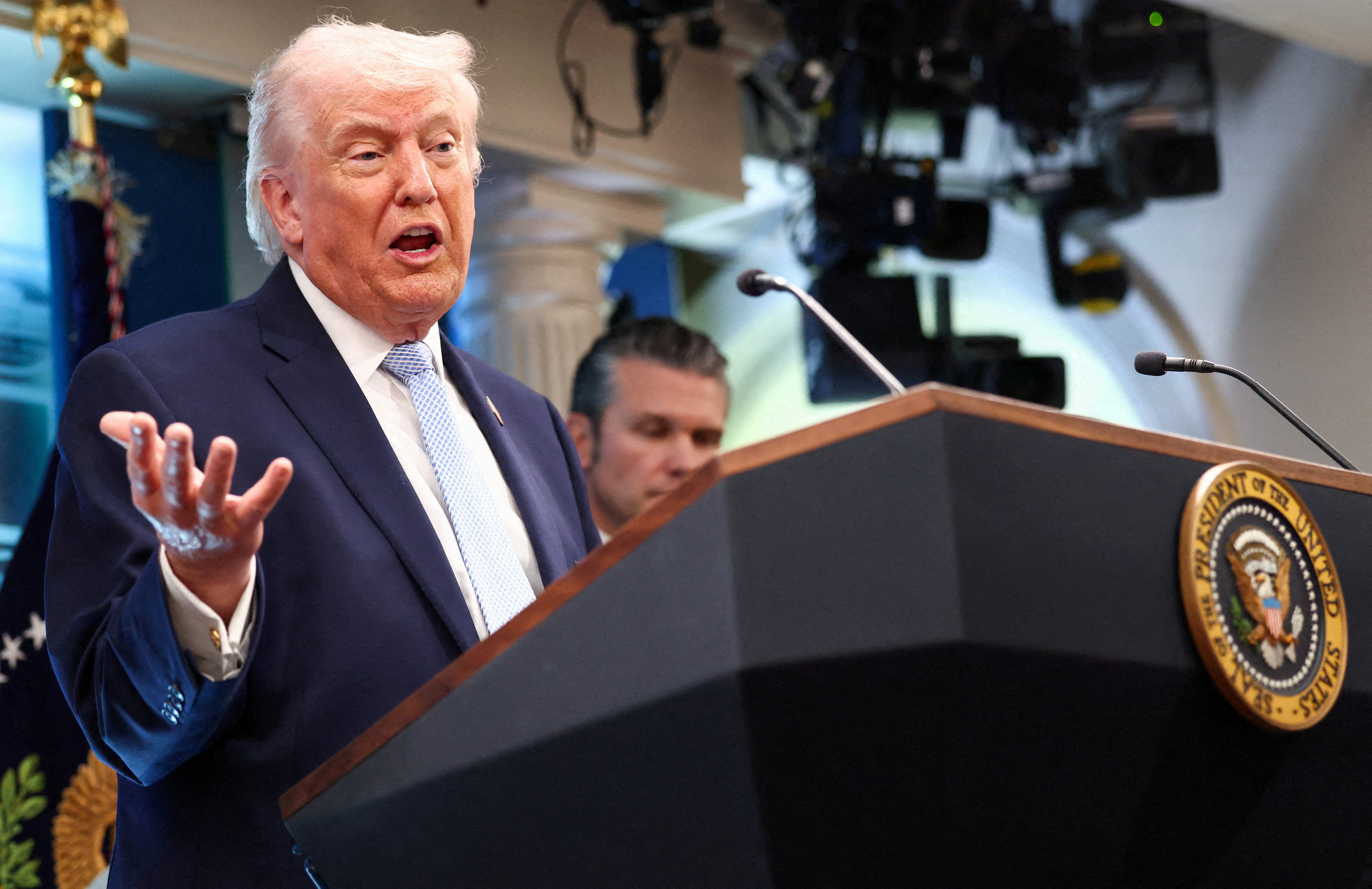
Shortly afterwards, Trump said “IRAN HAS JUST ANNOUNCED THAT THE STRAIT OF IRAN IS FULLY OPEN AND READY FOR PASSAGE”, while adding that a US blockade on ships heading to Iranian ports would remain in place until “our transaction with Iran is 100% complete”.
The developments follow weeks of disruption in one of the world’s most critical maritime routes, which typically carries around 20 per cent of global oil and gas flows. The conflict had effectively halted traffic through the strait, raising concerns over a potential global energy shock.
Despite the announcement, uncertainty remains over how quickly shipping can resume. The US Navy warned that the risk of sea mines in parts of the waterway is “not fully understood”, advising caution. Shipping companies said they would require further clarification before resuming transit.
Iran signalled it would respond to continued restrictions, with foreign ministry spokesperson Esmaeil Baghaei warning of “necessary reciprocal measures” if maritime blockades persist. A senior Iranian official said vessels would be allowed passage only under coordination with the Islamic Revolutionary Guard Corps.
Trump said Washington is seeking a broader agreement with Tehran, including measures related to Iran’s nuclear programme. “We’re going to go in with Iran… and bring it back to the United States,” he said, referring to enriched uranium stockpiles.
Iranian officials said “no agreement has been reached on the details of the nuclear issues”, adding that “serious negotiations” are still required. However, there were indications of progress, with both sides “agreeing in principle” and discussions ongoing over sanctions relief and the unfreezing of Iranian assets.
Diplomatic efforts are expected to continue, with a possible meeting in Islamabad under mediation by Pakistan, though logistical challenges may delay talks. A preliminary agreement could be reached in the coming days, with the possibility of extending the ceasefire to allow further negotiations.
Oil prices fell sharply following the announcement, dropping around 10 per cent, while global stock markets rose. The ceasefire between Israel and Lebanon largely held on Friday, despite reports of isolated incidents, as international efforts continued to stabilise the region and restore secure maritime transit.





Click here to change your cookie preferences